The point of SEO for a remodeling company is not more leads. It is the right lead: a homeowner who already saw your project photos, read your reviews, and called to talk timeline instead of price. Those callers behave differently from shared leads. Across our client base, organic leads close at 73%, while leads bought from platforms close at 22% to 31%, based on numbers our clients pull from their own CRMs. Fewer calls, more signed jobs. That is the trade most remodelers actually want, and good SEO is how you buy it.
SEO for home remodeling companies is the work of ranking a remodeler’s website and Google Business Profile for the searches local homeowners use, like “kitchen remodeler near me,” so the company earns inbound leads it owns instead of renting shared leads from platforms like Angi or HomeAdvisor.
The money is real. The Harvard Joint Center for Housing Studies puts annual home improvement spending above $600 billion. The homeowners spending it start on Google. The only question is whether your company is there when they search.
What is SEO for a home remodeling company?
It is three jobs done together: fixing the technical health of your site, building pages that target real remodeling searches, and winning local search through your Google Business Profile and reviews. Skip any one of the three and the other two underperform.
Technical health is the part owners never see. Google ranks the mobile version of your site first, treats a page experience score as part of its systems, and gives a small lift to sites served over secure HTTPS. When we audit a new client, the most common problem we find is duplicate or missing title tags, on 94% of sites. If a site sits on a platform that fights back, a website rebuild comes first, because bolting SEO onto a broken structure wastes three to four months.
On-page work means building the pages homeowners actually search for. Local work means the map and the reviews. The rest of this guide goes deep on the two that decide most remodeling jobs.
Why more leads is the wrong goal
A remodeler with four high-value jobs booked is in better shape than one chasing eight low-margin ones. SEO that brings in the right homeowner beats SEO that just brings in more of anyone.
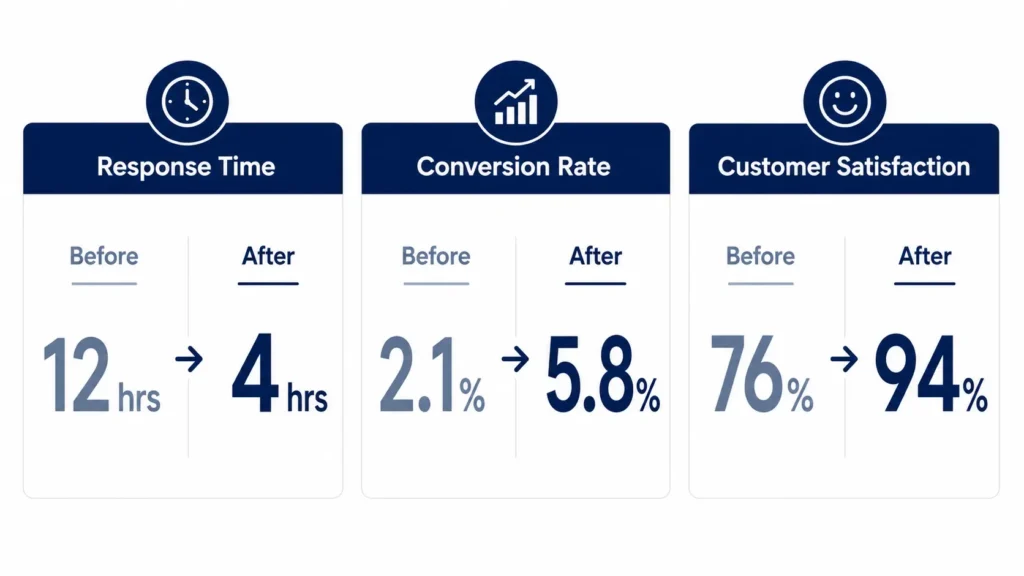
Here is what that looks like in practice. A high-end kitchen remodeler we work with built $75,000 to $150,000 projects but kept drawing budget shoppers, because the website looked like every $20,000 kitchen company in town. We rebuilt the site around the higher tier: project galleries with material specs and real costs, content on what a six-figure kitchen actually involves, and reviews from clients who named their budgets. Monthly leads dropped from 15 to 11. The owner asked, more than once, why leads went down. Then the rest of the numbers came in: qualified leads went from 30% to 72%, close rate went from 12% to 34%, and monthly revenue from organic leads went from $54,000 to $352,000. Average closed project: $94,000.
Volume is easy to put on a report, so that is what most agencies sell. For a remodeler, volume is the wrong scoreboard. Results vary by market and client, but the pattern holds: the right eleven beat the wrong fifteen.
How do organic leads compare to Angi and shared leads?
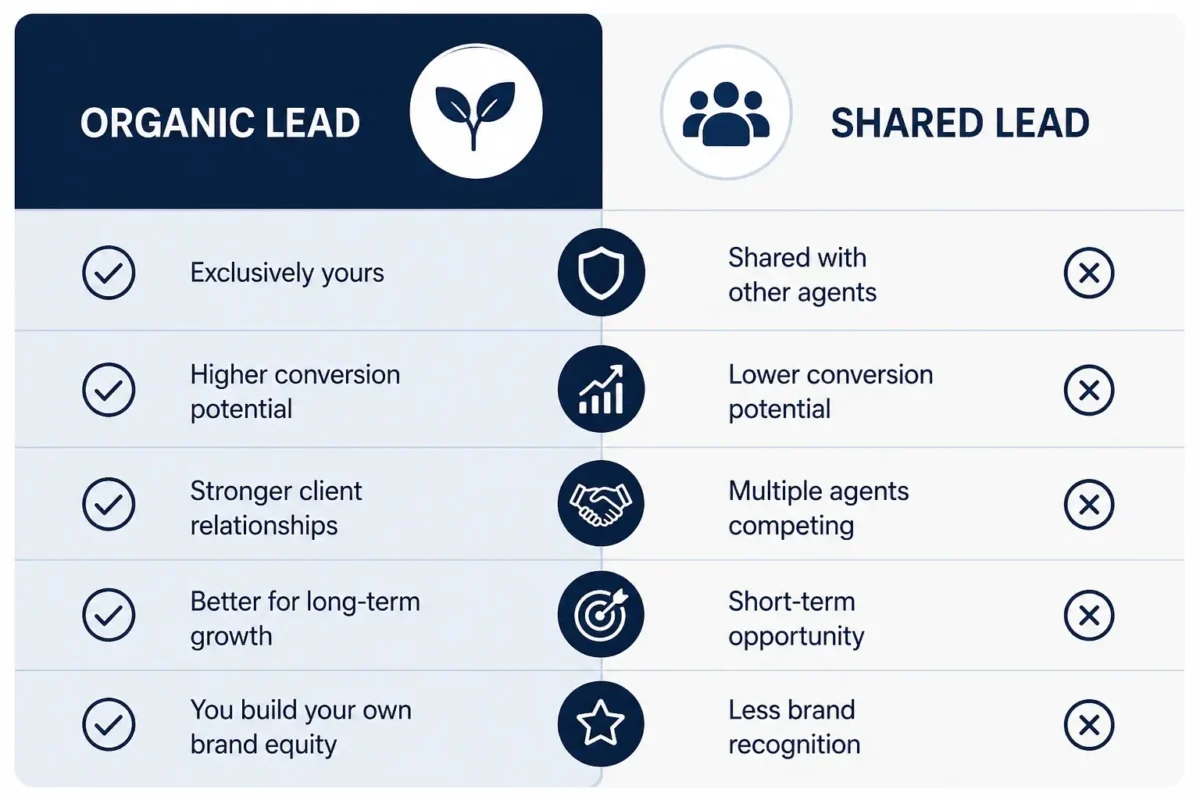
Organic leads come to you alone and close far more often. Shared platform leads go to several contractors at once, so they compete on price and speed before you ever pick up the phone.
The gap is not subtle. After month six, the marginal cost of an organic lead is roughly nothing, while clients report paying $87 to $142 for a shared lead on a platform. And the organic lead closes at 73% against 22% to 31% for the shared one. The problem is not the platform companies themselves, it is the model: the same lead gets sold to four or five contractors who then race to the bottom on quote.
| Organic search lead | Shared platform lead | |
|---|---|---|
| Who gets it | You alone | Several contractors at once |
| Typical close rate | 73% | 22% to 31% |
| Cost per lead after month 6 | About $0 marginal | $87 to $142 |
| Who owns the channel | You | The platform |
| Competes on | Fit and trust | Price and speed |
Figures are client-reported; results vary by market and close process.
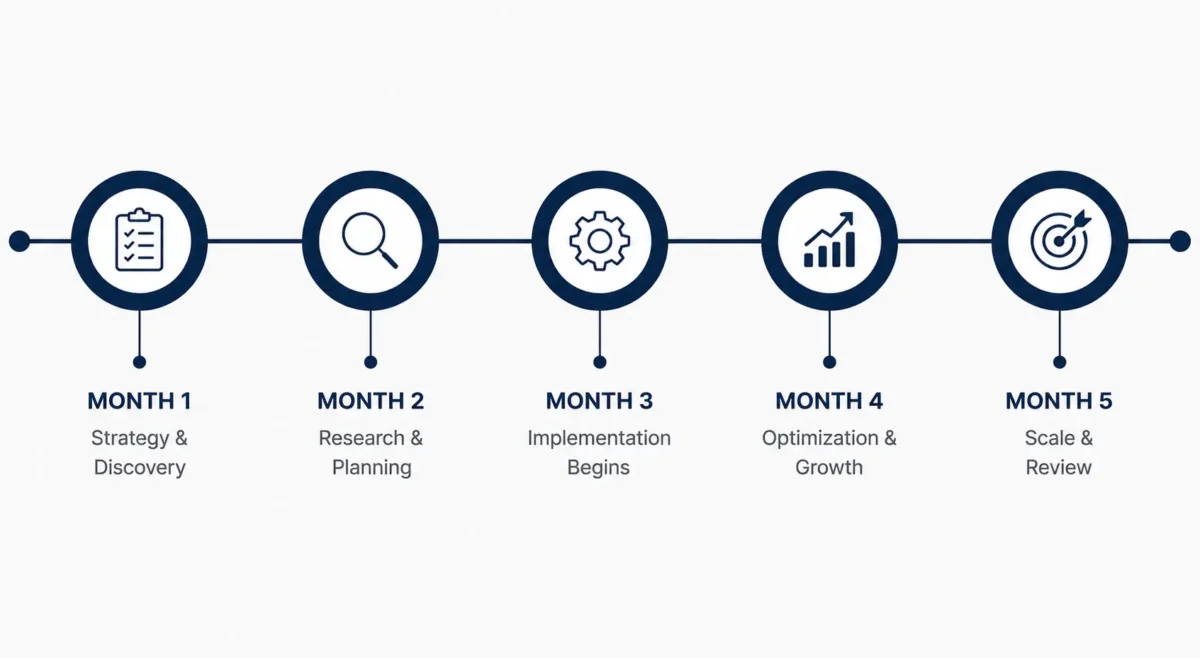
How long does remodeling SEO really take?
Faster than the industry’s stock “twelve months” answer for the terms that bring calls, and slower for the handful of most competitive ones. The honest answer depends entirely on which keyword you mean.
Start with the sobering part. An Ahrefs study of how long pages take to rank found only 1.74% of new pages reach Google’s top 10 within a year, and just 0.3% manage it for high-volume keywords. That is real. But it measures broad national terms. Local remodeling SEO plays by different rules: city-plus-service long-tail searches and the Map Pack. On that board, our campaigns see keywords enter the top 50 in 30 to 60 days, first page-one rankings on long-tail terms in 60 to 90 days, and Map Pack entry for the main city term at 4.2 months in a mid-competition metro and 6.8 months in a top-25 metro. 78% of clients reach the Map Pack within six months.
| Milestone | Typical timeframe |
|---|---|
| Keywords enter top 50 | 30 to 60 days |
| Page one for long-tail terms | 60 to 90 days |
| Map Pack entry, main city term | 4 to 7 months |
| Steady 15-plus leads per month | 6 to 9 months |
| Top 3 for primary keyword | 8 to 12 months |
Timeframes vary by market competition and review count.
Top 3 for the primary service keyword is the 8 to 12 month mark, and that one we back with a refund. The top 3 ranking guarantee applies to agreed-upon target keywords within twelve months, with full terms set during onboarding. So when an agency tells you SEO takes a year, ask which keyword they mean. If you need calls before the rankings mature, run Google Ads in parallel and let SEO replace that spend later.
Remodeling SEO pricing in 2026, and the payback math
Most remodeling SEO runs $3,500 to $5,000 a month, and it usually pays for itself once organic leads start replacing paid lead spend. The biggest variable is metro competition: a top-10 metro sits at the high end, a mid-size market lower. Pricing varies by market competition and scope, so treat those numbers as a starting range, not a quote.
The payback math is where it gets clear. One Dallas-area remodeler came to us spending $6,200 a month on Angi and $3,800 on ads, getting 8 to 12 mostly shared leads and closing about one in ten. After ranking #2 in Maps and organic, organic leads went from 3 or 4 a month to 22 to 27, the Angi subscription was cancelled, and the ad spend was paused. Effective cost per lead fell from $127 to roughly nothing at the margin, and the pipeline went from a $1.2 million to a $2.1 million annual run rate. Results vary by market, competition, and client engagement, and past performance does not guarantee identical future results. The reframe we give owners: $7,000 a month on a lead platform is $84,000 a year that builds no asset, while SEO builds rankings you keep.

The pages that bring in high-value projects
Build one page per service and one per city, not a single “Services” page. Google cannot rank one page for kitchens, baths, additions, and basements at the same time, so a catch-all page ranks for none of them well.
Three page types carry the load. Service pages target homeowners who already know what project they want. Project pages tell the story of a real job with real photos, materials, and the neighborhood, which ranks for specific searches and proves quality at the same time. Honest local cost guides convert best of all, because a homeowner who reads your real breakdown of what a kitchen costs in your market arrives already educated and already trusting you.
Order matters too. In early 2024 we tested blog posts against service pages across four clients over 90 days. The blog posts ranked faster, 47 days to page one versus 68 for service pages, but they converted at 1.8% against 6.4%. Service pages produced 3.2 times more leads. So we build service pages first, then layer in content from month four to feed internal links and topical authority. Alongside that, we fix the duplicate title tags almost every new site has, and we build backlinks at 15 to 25 a month from local directories and industry sites, never link farms.
Reviews and the map are where remodeling buyers decide
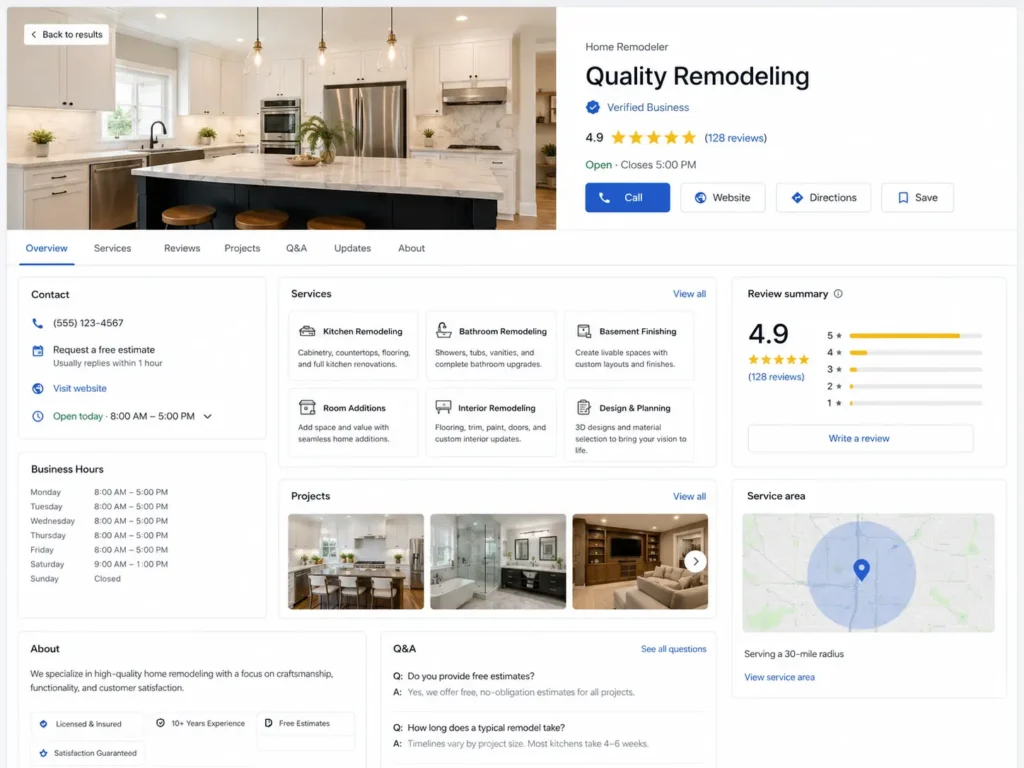
Before a homeowner calls, they check the map and the reviews. That moment, not your homepage, is where your profile wins or loses the job.
The behavior is well documented. BrightLocal’s 2025 survey found 71% of consumers read reviews regularly for local businesses, and 83% use Google to do it. So the Google Business Profile is your storefront. Filling it out properly and adding real project photos lifts map impressions 340% in the first 90 days across our clients. The other half is review velocity: most remodelers we take on get 0 to 1 new reviews a month, and an automated request after each completed job moves that to 4 to 6. One warning from experience: a client once dropped from #3 to #14 in the map after changing a phone number on the website but not on 37 citation sites. Keep your name, address, and phone identical everywhere, and change it in a controlled rollout when it has to change.
Can you do remodeling SEO yourself?
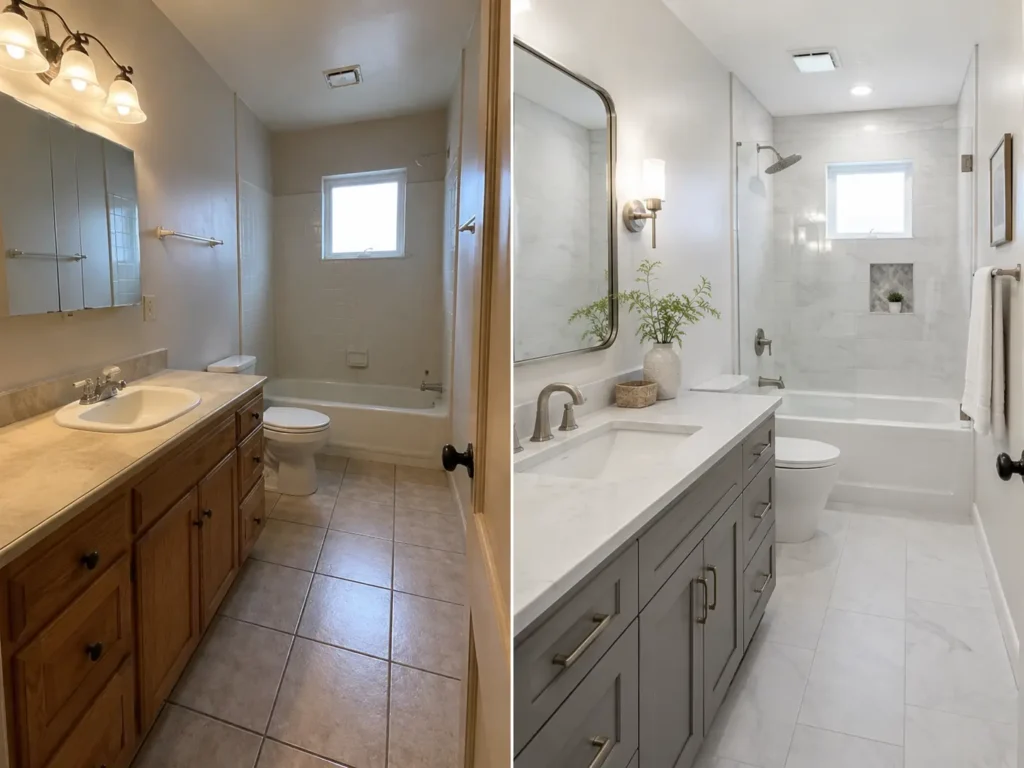
You can do the basics yourself. Most owners running $500,000 or more in revenue find the time cost is the real bill. Claiming and filling out the Google Business Profile, asking every happy client for a review, and fixing obvious title tags are all doable in-house.
What usually needs a team is the city-by-city page build, monthly link acquisition, and the technical fixes that do not show up unless you crawl the site. And if you tried SEO before and it did nothing, look closely at what was actually done. Nine times out of ten it was a $500-a-month provider that only submitted directories, a generalist who treated a remodeler like an online store, or a relative who built a site. That is not remodeling SEO. One more myth worth dropping: you do not need to post on social media every day. Two or three project photos a week is plenty, and one new Google review is worth more than thirty posts.
Before you invest, ask yourself five questions:
- Are you spending $3,000 or more a month on lead platforms?
- Do you have 20 or more Google reviews?
- Have you been in business three or more years?
- Is your average project $15,000 or more?
- Can you commit to a six to twelve month build?
Four yeses means SEO is likely a strong fit. Fewer, and you may have groundwork to lay first.
Where remodelers should start
Pick the one city term that matters most, get the technical health of the site right, build a real page for each service, and turn on a steady flow of reviews. Do those four and you will see movement long before the twelve-month myth says you should. If you would rather have it built by a team made for remodelers, that is what we do. Book a strategy call and we will show you what your market looks like.
FAQs
How much does SEO for home remodeling companies cost?
Most remodeling SEO runs $3,500 to $5,000 a month. The biggest factor is how competitive your metro is, with top-10 markets at the high end and mid-size markets lower. Pricing varies by market and scope, and our model carries no setup fees and no long-term contract.
How long does SEO take to work for a remodeler?
For the local long-tail terms that produce calls, keywords typically start moving in 30 to 60 days, and Map Pack entry for the main city term lands in about 4 to 7 months. Top 3 for the primary service keyword usually takes 8 to 12 months. Timeframes vary by market competition and review count.
Is SEO better than Angi for remodelers?
For most established remodelers, yes, because organic leads come to you alone and close at about 73%, while shared platform leads close at 22% to 31% in client-reported numbers. Angi and similar platforms sell the same lead to several contractors, so you compete on price. With SEO you own the channel instead of renting it.
How is SEO for home remodeling companies different from regular SEO?
It leans heavily on local search, separate pages for each service and city, and a steady flow of Google reviews. The remodeling buyer also researches for weeks or months and judges you on portfolio quality before calling. That makes project pages, honest cost guides, and the Google Business Profile more important than for most industries.
How many leads will SEO bring a remodeling company?
In our client base, the typical remodeler goes from 3 to 5 organic leads a month to 18 to 24 by around month eight. Lead numbers are not guaranteed and results vary by market and close process. The bigger change is usually quality, since organic leads close far more often than shared ones.
Can I do remodeling SEO myself?
You can handle the basics: claim and fill out your Google Business Profile, ask every happy client for a review, and fix obvious title tags. The city-by-city page builds, monthly link work, and technical fixes usually need a dedicated team. Most owners doing $500,000 or more find the time cost outweighs the savings.
Do I need a new website for SEO?
Not always. You need a rebuild only if your site sits on a platform that blocks proper optimization or the structure is broken. About 35% of our new clients need a rebuild first; the rest start ranking on the site they already have.