
SEO Vs Digital Marketing In 2026 – 6 Key Differences
SEO is one piece of digital marketing, not a separate discipline. But the way businesses spend money on each, and the results they get back couldn’t be more different. The global SEO services market hit roughly $74.9 billion in 2025 according to Mordor Intelligence, while the broader digital marketing market reached $456.7 billion that same year per IMARC Group data. That gap tells a story about scope, and most businesses misunderstand it.
SEO vs digital marketing isn’t an either-or decision. SEO is a channel within digital marketing, the same way a kitchen is a room within a house. Nobody asks “should I invest in a kitchen or a house?” Yet that’s basically what half the comparison articles online are arguing. The smarter question is how much weight each channel deserves inside a company’s overall marketing mix and that depends on budget, timeline, and tolerance for risk.
HubSpot’s 2026 State of Marketing Report ranked website, blog, and SEO content as the number-one ROI-generating channel for marketers. That’s not a fringe opinion. It showed up as the top channel ahead of paid social, email, and display ads. But ROI alone doesn’t tell the full story. A business that ignores every other digital marketing channel and bets everything on organic search is gambling on Google’s mood, and Google pushed out multiple core updates in 2025 and 2026 that wiped rankings for sites that couldn’t adapt fast enough.
The six differences below break down exactly where SEO and broader digital marketing split apart and where smart businesses tie them back together.

What Do SEO and Digital Marketing Actually Mean?
SEO (search engine optimization) is the practice of improving a website so it ranks higher in organic search results on platforms like Google. It covers on-page work (content, meta tags, internal links), off-page signals (backlinks, brand mentions), and technical fixes (site speed, crawlability, mobile performance). The goal is earning traffic without paying per click.
Digital marketing is the umbrella. It includes SEO, but also paid search (PPC), social media marketing, email campaigns, content marketing, affiliate programs, and display advertising. Any marketing activity that happens online falls under digital marketing.
A lot of confusion comes from job titles. Companies hire “SEO specialists” and “digital marketers” as if they’re unrelated roles. They’re not. An SEO specialist focuses on one channel within a digital marketer’s toolkit. The Bureau of Labor Statistics groups both into marketing specialist roles, a category that employed 941,700 people in 2024 and is projected to grow 7% through 2034, which is faster than the national average for all occupations.
How Do Their Core Objectives Differ?
SEO has a narrow target: get a website to appear for the right searches, pull in organic traffic, and turn that traffic into leads or sales. Every tactic: keyword research, content creation, and link building, feeds that single objective.
Digital marketing casts a wider net. A digital marketing campaign might run Facebook ads for immediate brand awareness, send email nurture sequences to warm leads, publish blog content for organic visibility, and retarget site visitors through display ads all at the same time. The objective isn’t just traffic. It’s building a full pipeline from first impression to purchase.
Where most businesses get this wrong: they treat SEO as a traffic play and digital marketing as a brand play. In practice, SEO builds brand authority too. Ranking on page one for high-intent keywords signals credibility in ways a paid ad can’t replicate. And digital marketing channels like email and social feed signals back into SEO by driving engagement metrics and brand searches that Google pays attention to.

What Strategies and Tactics Does Each One Use?
SEO breaks into three buckets. On-page optimization means writing content that matches search intent, structuring URLs cleanly, and using on-page and off-page SEO signals together. Off-page work is primarily link building, earning backlinks from authoritative sites to boost domain trust. Technical SEO covers site speed, mobile responsiveness, structured data, and making sure search engines can crawl and index a site without problems.
Digital marketing uses all of those tactics plus several more:
- PPC advertising – Google Ads, Bing Ads, and paid social. Businesses comparing SEO vs PPC often find that paid search delivers faster results but stops the moment the budget runs out.
- Social media marketing – organic posting and paid campaigns on platforms like Instagram, LinkedIn, TikTok, and Facebook.
- Email marketing – still one of the highest-ROI channels for nurturing leads who’ve already shown interest.
- Content marketing – blog posts, video, podcasts, and downloadable assets. This overlaps heavily with SEO since quality content drives organic rankings.
- Affiliate marketing – paying partners a commission for driving conversions.
The practical difference: SEO practitioners spend most of their time in Google Search Console, Ahrefs, or Screaming Frog. Digital marketers juggle those tools alongside Meta Ads Manager, Mailchimp, and Google Analytics 4. It’s a question of depth versus breadth.
How Long Before Each One Delivers Results?
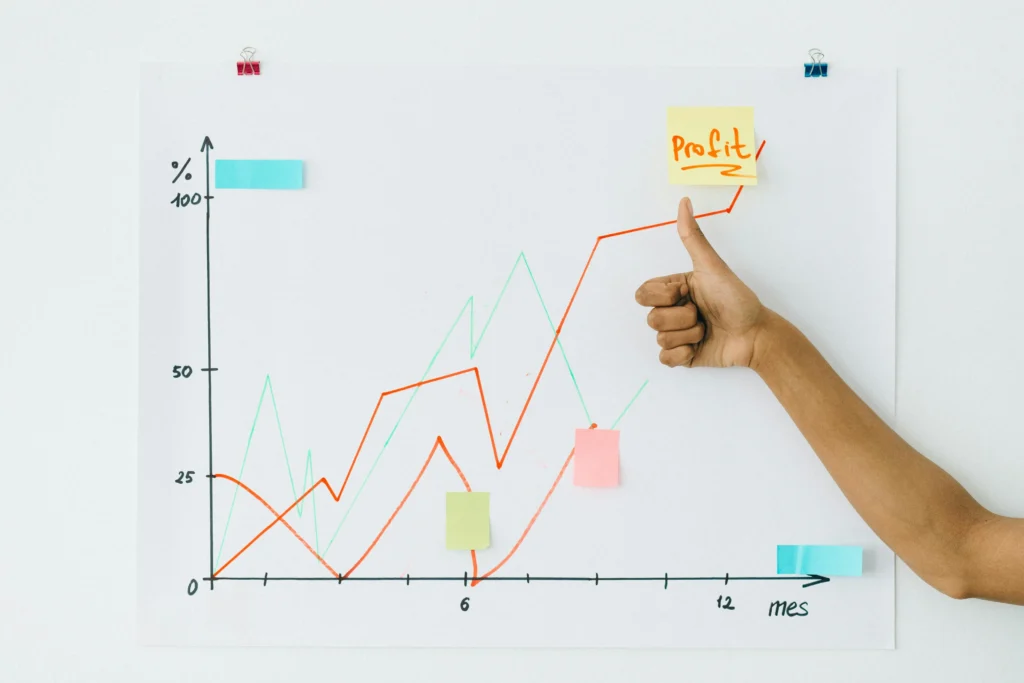
SEO is slow. Most campaigns take six to twelve months to show meaningful ranking improvements, and genuinely competitive keywords can take longer. Google has to crawl the site, index updates, and evaluate signals against competitors before anything moves. That patience pays off once rankings stick, organic traffic compounds month over month without additional spend.
Digital marketing can produce results the same day a campaign launches. A well-structured Google Ads campaign starts driving clicks within hours. A promoted Instagram post reaches thousands of targeted users overnight. But those results disappear the moment the ad budget gets cut.
The smartest approach and what experienced SEO agencies recommend is running paid campaigns for short-term traffic while building SEO for the long game. Paid channels cover the gap while organic authority grows. That’s not a new idea, but it’s one a surprising number of businesses still ignore. They’ll dump $5,000 per month into Google Ads for a year and never invest a dollar in organic search, then wonder why turning off ads kills their pipeline.
How Does Each One Measure Success?
SEO tracks a specific set of metrics: keyword rankings, organic traffic growth, click-through rates from search results, backlink quality, and conversions from organic visitors. Tools like Ahrefs and SEMrush provide visibility scores that aggregate these signals into a single health check.
Digital marketing measures everything SEO does, plus engagement metrics (likes, shares, comments), email open and click rates, cost per acquisition across paid channels, customer lifetime value, and overall return on investment. ROI calculation gets complicated fast because digital marketing campaigns often run across five or six channels simultaneously, and attribution, figuring out which channel actually caused the sale remains one of the industry’s biggest unsolved problems.
One number worth knowing: SEO reportedly returns about $22.24 for every $1 spent according to aggregated analyses from Firework and Genesys Growth, with B2B companies seeing around 748% ROI from organic search. Paid channels can match or beat those numbers in specific scenarios, but they require ongoing ad spend to maintain. SEO’s compounding nature means the cost per acquisition drops over time as rankings stabilize.
What Does Each One Cost in 2026?
Cost is where the comparison gets concrete. Based on multiple 2026 pricing analyses, SEO and digital marketing spending breaks down like this:
| Category | Monthly Cost Range | What’s Included |
| Basic/Local SEO | $500 – $2,000 | Local optimization, basic content, Google Business Profile |
| Mid-Range SEO | $2,500 – $10,000 | National targeting, content strategy, technical audits, link building |
| Enterprise SEO | $10,000 – $50,000+ | Multi-location, AI integration, competitive industries |
| Full Digital Marketing | $3,000 – $25,000+ | SEO plus paid ads, social, email, content across channels |
The median SEO retainer across agency sizes sits around $3,500 per month according to 2026 surveys from Digital Applied and ALM Corp. Full-service digital marketing retainers most commonly land between $3,000 and $5,000 for small to mid-sized businesses per InfluenceFlow’s January 2026 pricing guide.
That might seem close, but the underlying economics differ sharply. SEO spending goes toward building an asset, organic rankings that continue generating traffic after the initial investment. Digital marketing budgets, especially the paid advertising portion, function more like rent. Stop paying, stop showing up.
For a local service business spending $2,000 to $3,000 per month on marketing, putting 60-70% into SEO and lead generation and 30-40% into paid campaigns for immediate coverage tends to produce the best balance of short-term cash flow and long-term growth. Bigger businesses with $10,000-plus budgets have room to run multiple channels at full strength, and they should, because Google’s 2025-2026 algorithm updates have made relying on any single channel riskier than ever.

Why Businesses Need Both in 2026 (Not One or the Other)
Google’s March 2026 spam update hit sites relying on scaled AI content, expired domain manipulation, and parasite SEO tactics. The December 2025 core update reshuffled rankings for thousands of sites that lacked genuine E-E-A-T signals. These updates proved something practitioners have been saying for years: organic search alone is fragile if a business doesn’t diversify.
Meanwhile, AI-driven search is changing what “ranking” even means. Google AI Overviews now appear in over half of search results. LLMs like ChatGPT and Perplexity cite web content directly in their responses. Businesses that only optimize for traditional blue links are missing a growing slice of visibility.
The answer isn’t SEO vs digital marketing. It’s SEO plus digital marketing, with each channel reinforcing the other. Pairing SEO with Google Ads data reveals which keywords convert best. Social media engagement builds brand signals that feed back into search authority. Email marketing drives repeat visits that improve behavioral metrics Google watches.
One question every business should be asking its marketing partners right now: “How are you optimizing for AI search citations, not just traditional Google rankings?” Any firm that doesn’t have a clear answer to that question is already behind.
FAQs
Does SEO fall under digital marketing or are they separate?
SEO is a subset of digital marketing, not a competitor to it. Digital marketing includes every online channel a business uses to reach customers: organic search, paid ads, email, social media, and more. SEO specifically targets organic search visibility. Treating them as separate strategies leads to fragmented budgets and missed opportunities. Mordor Intelligence valued the SEO services market alone at $74.9 billion in 2025, which represents roughly 16% of the broader digital marketing industry.
How much does SEO cost compared to full digital marketing in 2026?
SEO retainers for small and mid-sized businesses typically run $1,500 to $5,000 per month, with a median around $3,500 across agency sizes. Full-service digital marketing packages that include SEO plus paid ads, social, and email range from $3,000 to $25,000-plus monthly depending on scope. SEO tends to deliver lower cost-per-acquisition over time because organic rankings compound, while paid advertising costs reset every month.
Is SEO still worth the investment with AI search taking over?
Yes. HubSpot’s 2026 State of Marketing Report ranked SEO-driven content as the number-one ROI channel for marketers, ahead of paid social and email. AI search (Google AI Overviews, ChatGPT, Perplexity) is changing how results get displayed, but it’s still pulling from optimized web content. Businesses that structure content for both traditional rankings and AI citation are seeing compounded visibility benefits.
What ROI can a business expect from SEO vs digital marketing?
SEO delivers approximately $22 for every $1 invested based on aggregated 2025-2026 analyses, with B2B companies reporting around 748% ROI from organic search. PPC campaigns can produce 200% or higher ROI but require continuous ad spend. The key difference is sustainability. SEO returns grow over time as rankings stabilize, while paid channel returns stay flat or decline without increased budget.
Should a small business start with SEO or broader digital marketing?
Most small businesses get the best results by building an SEO foundation first and layering paid channels on top for immediate traffic. A local business spending $2,000 to $3,000 monthly on marketing should consider putting 60-70% toward organic search and the rest into paid campaigns. SEO drives more long-term traffic than social media alone, and the compounding effect means organic acquisition costs decrease as the site gains authority.
How have Google’s recent updates changed the SEO vs digital marketing decision?
Google’s December 2025 core update and March 2026 spam update punished sites that relied on scaled AI content, expired domains, and low-quality link schemes. These changes made diversification more important than ever. Businesses that combined strong organic SEO with paid and social channels weathered the updates far better than those betting entirely on organic search. The updates reinforced that Google rewards sites demonstrating real expertise and first-hand experience.
What’s the biggest mistake businesses make when choosing between SEO and digital marketing?
Framing it as a choice at all. The most expensive mistake is pouring budget into only one channel whether that’s $5,000 monthly on Google Ads with zero SEO investment, or an all-organic strategy with no paid backup. When a core update hits or ad costs spike, single-channel businesses lose their entire pipeline overnight. Recovery from a major ranking drop can take months, and some sites never fully rebound. Integrated strategies spread that risk across multiple channels.

Michael Vale has over 5 years of experience helping clients improve their business visibility on Google. He combines his love for teaching with his entrepreneurial spirit to develop innovative marketing strategies. Inspired by the big AI wave of 2023, Michael Vale now focuses on staying updated with the latest AI tools and techniques. He is committed to using these advancements to deliver great results for his clients, keeping them ahead in the competitive online market.