
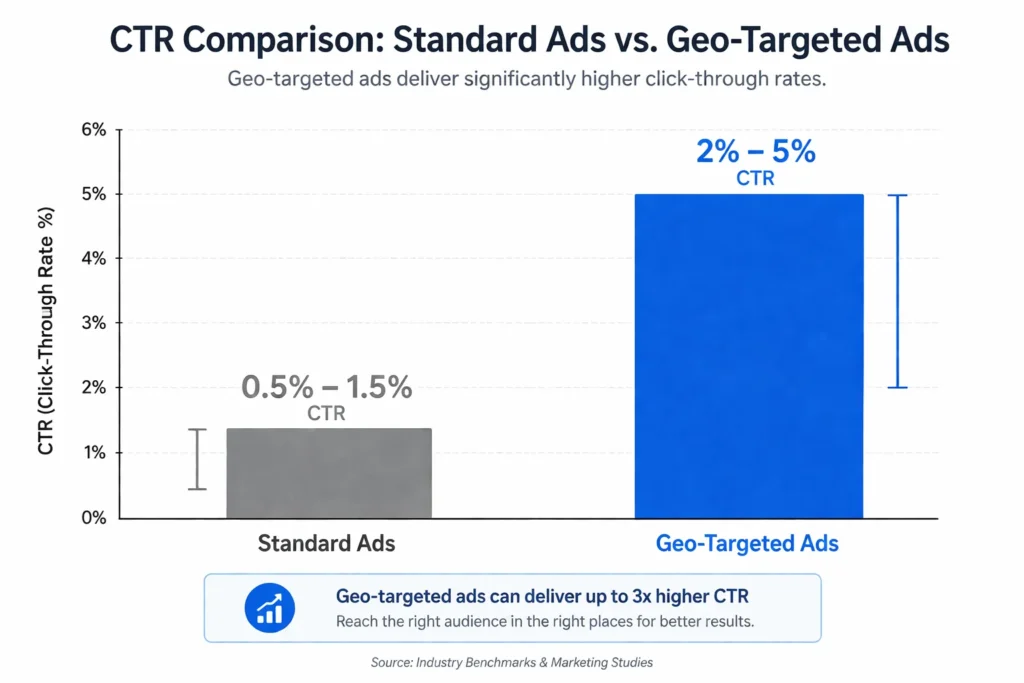
GEO targeting boosts CTR, and the data isn’t close. Campaigns using geographic targeting consistently pull click-through rates 20% higher than non-targeted ads. For e-commerce, the gap gets wider: geo-targeted ads hit 2-5% CTR while standard campaigns sit around 0.5-1.5%.But the full picture in 2026 is more complicated than “turn on location targeting and watch clicks climb.” AI Overviews now show up in roughly 13% of search queries, per a December 2025 Semrush study. Ahrefs reported in February 2026 that position 1 organic CTR dropped 58% on queries where AI Overviews appear. GEO targeting still works, but you need the right strategy for a search environment that’s changing fast.
What Is GEO Targeting?
GEO targeting is a digital marketing method that serves ads, content, or offers to users based on their physical location, using signals like IP addresses, GPS, and Wi-Fi data. It ranges from country-level targeting down to street-level geofencing, and research consistently shows it boosts click-through rates by 20% or more over non-targeted campaigns.
The mechanics are simple. Your ad platform reads location signals from a user’s device, then matches that data against your geographic parameters. A plumber in Dallas can show ads only to people within 15 miles. A restaurant can push lunch specials to phones within walking distance.
I’ve seen businesses waste thousands on broad campaigns before trying even basic city-level targeting. Google Ads and Meta both support radius targeting out of the box. The mistake most marketers make isn’t failing to use it. It’s setting it once and never testing different radius sizes.
How Does GEO Targeting Directly Impact CTR?
Directly and measurably. Geo-targeted campaigns report click-through rates roughly 20% higher than broad campaigns. In e-commerce, geo-targeted retail ads pull 2-5% CTR compared to the 0.5-1.5% range for standard display.
Why the gap? Someone in Phoenix doesn’t care about snow removal services. Someone in Minneapolis during January does. Localized ad copy that mentions a city name, a neighborhood, or a regional event outperforms generic copy almost every time.
The benefits compound. Higher CTR means better quality scores on Google Ads, which lowers your cost-per-click. Average Google Search CPC hit $5.26 in 2025, up nearly 13% year-over-year.
The Psychology Behind Local Ad Engagement
People click on things that feel like they were made for them.
A user in Seattle seeing an ad for rain boots during a November storm isn’t analyzing targeting. They’re thinking about dry feet. The ad connects because it matches their reality. Event-based targeting works the same way. Ads tied to a local festival or rivalry game create urgency generic campaigns can’t touch.
There’s a trust factor too. Local references signal that a business actually operates nearby. I’ve run campaigns where simply adding a city name to the headline increased CTR by 15-20%, with nothing else changed.
Why Do GEO Targeting and Local SEO Belong Together?
Local SEO and GEO targeting aren’t separate strategies. Businesses that treat them independently leave results on the table.
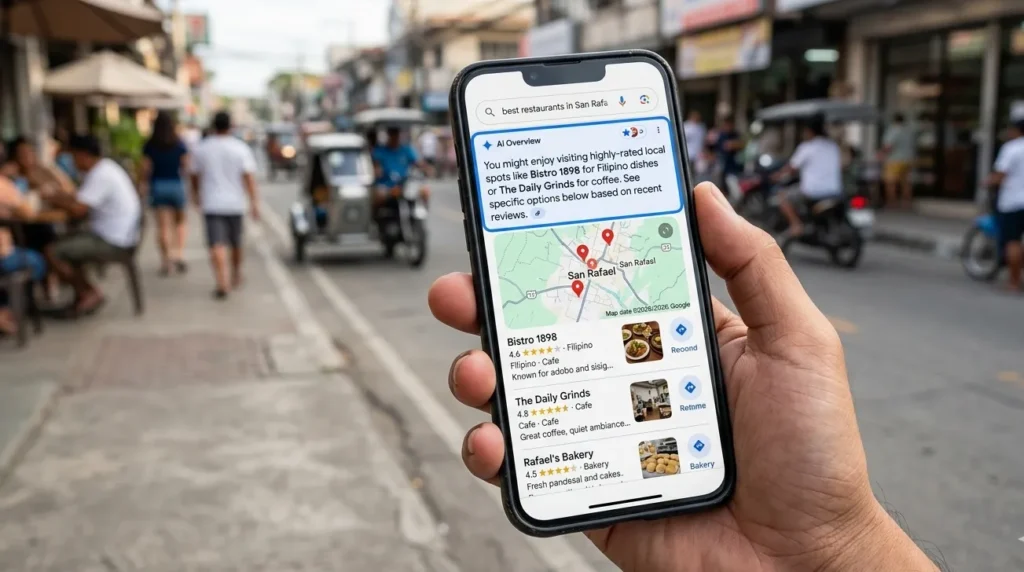
Pair geo-targeted ads with locally optimized landing pages and you show up in both paid and organic results for the same high-intent queries. Google still prioritizes local results, and roughly a third of all mobile searches carry local intent.
But the 2026 reality is harder to ignore. Zero-click searches now account for 60%+ of all queries, according to Semrush and Ahrefs data. With AI Overviews present, that climbs to 80-83%. The bright spot: brands cited in those AI responses saw 35% higher organic CTR.
GEO targeting paired with strong local SEO, schema markup, and structured data implementation is how you stay visible across both traditional and AI-driven results.
Cost Efficiency and Smarter Ad Spend
GEO targeting saves money. Period.
When you restrict ads to your actual service area, you stop paying for clicks from people who’ll never convert. I’ve audited campaigns where 30-40% of ad spend went to locations the business couldn’t serve. That’s a targeting failure, not a budget issue.
The efficiency gains go beyond cutting waste. Geo-targeted campaigns let you shift budget in real time based on regional performance. If your Austin campaigns convert at 3x the rate of your San Antonio campaigns, you move dollars accordingly. For businesses already running SEO and Google Ads together, adding tight GEO parameters is one of the fastest efficiency wins available.
How Does Mobile GEO Targeting Change the Game?
Mobile is where GEO targeting delivers its biggest returns. Users on phones are already in motion, near businesses, and often in a buying mindset.Timing matters more on mobile than desktop. A geo-targeted coffee ad at 7 AM within a half-mile radius performs completely differently than the same ad at 3 PM. I’ve tested this across dozens of campaigns, and the CTR swings based on time-plus-location combinations are massive. If you’re running local campaigns and haven’t segmented mobile targeting separately from desktop, you’re missing data that could reshape your strategy.
Measuring GEO Campaign Performance
You can’t improve what you don’t track.
Start with location-level CTR breakdowns. Every major ad platform shows which cities, regions, or zip codes drive the highest click rates.
CTR alone isn’t the full story. Layer in conversion rate by location, bounce rate for geo-targeted landing pages, and cost-per-acquisition at the regional level. A city with high CTR but terrible conversions signals a landing page mismatch, not bad targeting. A/B test localized messaging too. The performance gaps between city-name headlines and region-level headlines will be different in every market.
GEO Targeting for Physical Stores and Online Retail
GEO targeting isn’t only for brick-and-mortar. It works for e-commerce too, just differently.
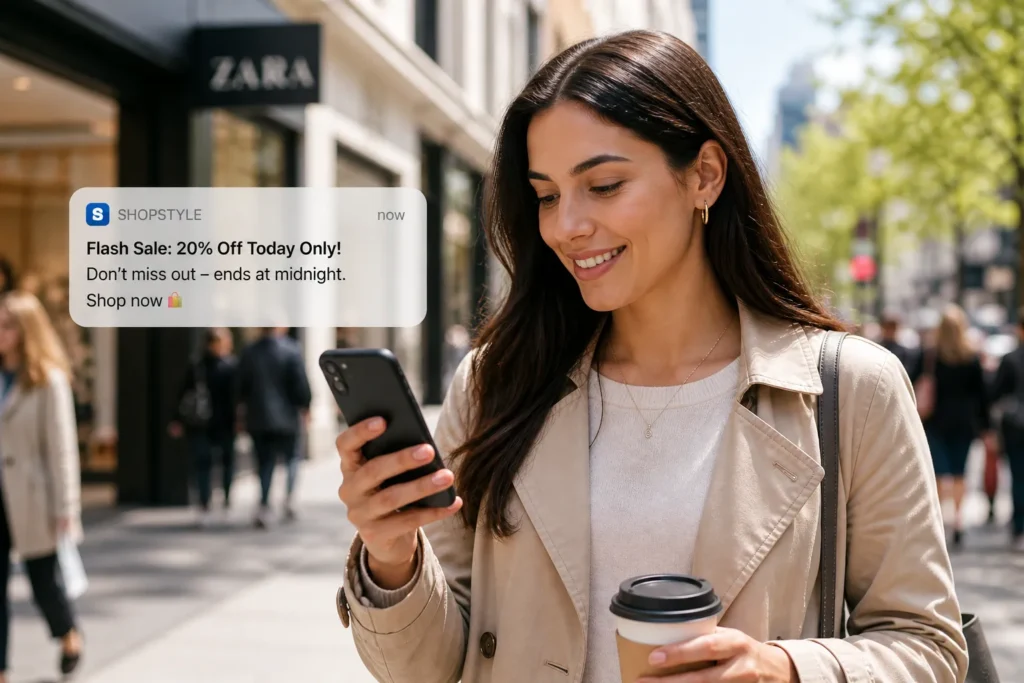
Physical retailers get the obvious benefits: geofencing around store locations, ads tied to local events, promotions pushed to nearby foot traffic. E-commerce businesses use it for personalized shipping messages, regional pricing, and localized landing pages. “Free next-day shipping to Chicago” converts better than “Free shipping.” Specific beats generic every time.One pattern I keep seeing: businesses assume GEO targeting only makes sense with a physical location. Wrong. An online retailer shipping nationwide can still boost CTR by running separate campaigns for major metros with geo-targeting keywords in the ad copy.
What Are the Biggest GEO Targeting Mistakes?
The most expensive one is targeting too broad. If your service area is a 20-mile radius, don’t target the entire state because “more reach sounds better.” You’ll burn budget on irrelevant impressions and tank your CTR.
Inaccurate location data is the second trap. IP-based targeting isn’t perfect. VPN users, travelers, and mobile network routing can put people in the wrong bucket. Audit geographic performance reports regularly and exclude consistently underperforming locations.
Privacy is the third. Over-personalization creeps people out. An ad that says “We see you’re on Main Street!” crosses a line. An ad that says “Serving the downtown area” is fine. Crossing that line kills trust faster than it builds clicks. And don’t ignore click fraud in competitive local markets. Use platform-level protections and third-party monitoring.
GEO Targeting Meets Generative Engine Optimization in 2026
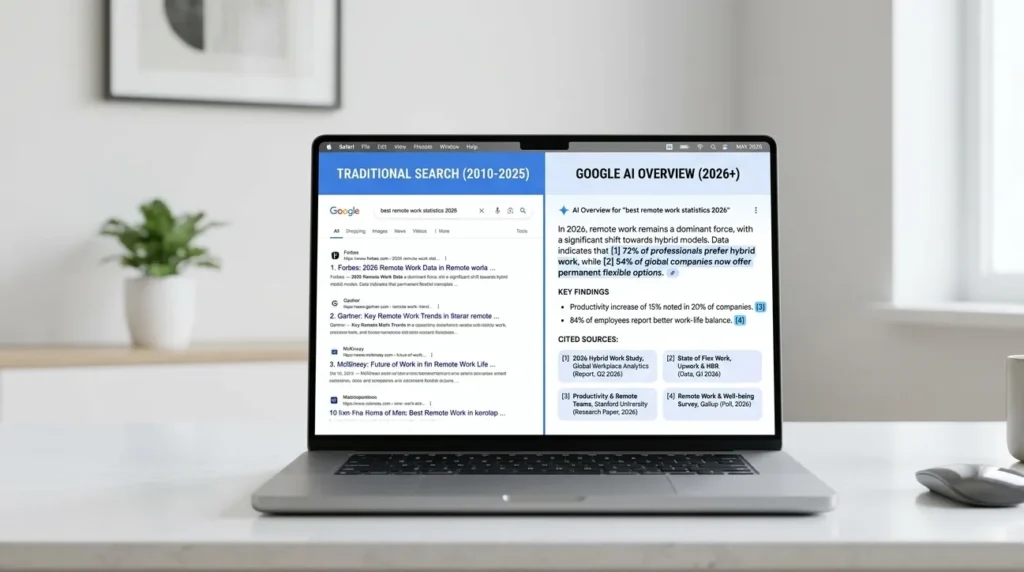
The biggest shift is the collision of geographic targeting and generative engine optimization. AI search tools like Google’s AI Overviews, ChatGPT, and Perplexity are changing how users discover local businesses.
Ahrefs’ February 2026 update showed AI Overviews reduce position 1 organic CTR by 58%. Brands cited in AI Overviews see 35% higher organic CTR and 91% higher paid CTR compared to uncited brands.
For local businesses, optimizing your Google Business Profile, structured data, and entity signals is no longer optional. If your local content has proper schema and consistent NAP citations, you’re more likely to get cited. That citation now drives more traffic than a position 2 or 3 ranking. The businesses ignoring AI search optimization are watching organic traffic drop 30-60% on informational queries.
The Real Takeaway for 2026
GEO targeting boosts CTR. The data proves it across industries, platforms, and campaign types. But in 2026, GEO targeting alone isn’t enough. You need it working alongside local SEO, structured data, and generative engine optimization to stay visible in a search environment splitting between traditional results and AI-generated answers.
Start with tight geographic parameters, pair them with locally optimized content, track everything at the regional level, and build the authority signals that AI systems want to cite. That’s what separates campaigns that get clicks from campaigns that get ignored.
FAQs
Does GEO Targeting Actually Increase Click-Through Rates?
Yes. Geo-targeted campaigns consistently achieve CTRs roughly 20% higher than non-targeted campaigns. In e-commerce, the difference is even larger, with geo-targeted ads hitting 2-5% CTR versus 0.5-1.5% for standard display. The lift comes from relevance: location-specific ads match what users care about right now, which drives more clicks.
How Much Do AI Overviews Reduce Organic CTR in 2026?
Significantly. Ahrefs’ February 2026 data shows a 58% reduction in organic CTR for position 1 results when AI Overviews appear. The drop hits informational queries hardest, while transactional searches remain less affected.
Does Getting Cited in AI Overviews Help CTR?
It does. Data found that brands cited in AI Overviews saw 35% higher organic CTR and 91% higher paid CTR compared to uncited brands appearing on the same search results. Getting cited is quickly becoming more valuable than ranking in positions 2 or 3 on traditional results.
What Queries Are Most Affected by AI Overview CTR Loss?
Informational queries take the biggest hit, with CTR drops reaching 61% on affected searches. Transactional and commercial queries see smaller declines. Local intent queries are less affected overall because Google still relies on map packs and business profiles for location-based results, though this is changing as AI features expand.
How Should Businesses Combine GEO Targeting With GEO SEO?
Start with geographic ad targeting for immediate CTR gains, then build your generative engine optimization layer. That means optimizing Google Business Profile data, adding structured schema markup, building consistent NAP citations across directories, and creating content with enough topical depth and E-E-A-T signals for AI systems to cite. Tracking citation share and AI referral traffic is the next measurement frontier most businesses haven’t adopted yet.
Is Traditional SEO Still Relevant With AI Overviews?
Absolutely. Strong organic rankings are often a prerequisite for AI Overview citations. Pages that rank well in traditional search are the ones AI systems tend to pull from. Non-AI-Overview queries (still the majority of searches) retain their CTR value, and some data suggests CTR on non-AI queries has actually increased slightly in early 2026 as click volume consolidates.
What’s the Most Expensive GEO Targeting Mistake?
Targeting too broad. Businesses that set state-wide or national targeting when they serve a 20-mile radius burn 30-40% of their budget on irrelevant impressions. The second costliest mistake is ignoring AI search visibility entirely, which can lead to 30-60% traffic drops on informational queries as AI Overviews absorb clicks that used to go to organic results.