
7 Types Of Digital Marketing That Actually Drive Results In 2026
Types of digital marketing break down into seven core channels: SEO, PPC, content marketing, email marketing, social media marketing, affiliate marketing, and influencer marketing. Each one works differently, costs differently, and fits different business models. The global digital marketing software market hit $75.34 billion in 2024 and is projected to reach $321.77 billion by 2033 at a 17.9% CAGR, according to Grand View Research. Businesses are spending real money here because these channels produce measurable returns.
But most guides treat every channel like it’s equally important for every business. That’s terrible advice. A local plumber and a SaaS company shouldn’t be running the same playbook. Businesses burn through budgets on channels that were never going to work for their model all the time, simply because someone told them they “needed to be everywhere.”
This guide breaks down each type of digital marketing with honest assessments of what works, what doesn’t, and where your money goes the furthest in 2026.
Digital marketing refers to any marketing strategy delivered through online channels, including search engines, social media, email, websites, and partner networks. These seven types of digital marketing give businesses measurable, targeted ways to reach buyers where they already spend time: search engine optimization, pay-per-click advertising, content marketing, email marketing, social media marketing, affiliate marketing, and influencer marketing.
What Is Search Engine Optimization (SEO)?
SEO is the process of improving your website so it ranks higher in Google’s unpaid search results for terms your customers are actually searching. It’s the longest play in digital marketing, but it’s also the one with the highest compounding returns over time.
The US SEO and internet marketing consultants market reached $119.4 billion in 2025, growing 14.1% year over year, according to IBISWorld. That growth rate tells you something: businesses that understand SEO keep investing more, not less.
A solid SEO strategy breaks into three parts. On-page SEO covers your content, primary keywords, headings, and meta tags. Technical SEO handles site speed, mobile performance, crawlability, and schema markup. Off-page SEO is mostly about earning quality backlinks from other sites that signal authority to Google.
Google’s algorithm changes constantly. The December 2025 Core Update and March 2026 Core Update both pushed harder on E-E-A-T (experience, expertise, authority, trust) and cracked down on thin AI content. If you’re still thinking about SEO as “stuff keywords on a page,” you’re about five years behind.
For most small businesses, monthly SEO retainers run $500 to $5,000. Local campaigns tend to land in the $1,500 to $2,500 range. That’s a real budget commitment, but organic traffic doesn’t vanish when you stop paying, unlike PPC.
How Does Pay-Per-Click (PPC) Advertising Work?
PPC advertising is exactly what it sounds like: you pay each time someone clicks your ad. Google Ads and Microsoft Ads are the big platforms. Your ad appears at the top of search results based on keyword bids and quality scores, and you only get charged when someone clicks through.
The biggest advantage over SEO? Speed. You can launch a campaign today and have traffic by this afternoon. That makes PPC the go-to for product launches, seasonal promotions, and testing new markets before committing long-term.
PPC has a serious downside, though. The moment you stop paying, your visibility drops to zero. No compounding effect whatsoever. Businesses routinely spend $3,000 a month on Google Ads for two years with solid returns, then pull the budget and watch their leads disappear overnight. PPC rents attention. SEO builds equity.
Smart campaigns use A/B testing on ad copy, tight audience targeting, and constant bid adjustments. Remarketing (showing ads to people who already visited your site) tends to produce the best conversion rates because you’re reaching warm prospects, not cold traffic.

Why Content Marketing Matters More Than You Think
Content marketing means creating blog posts, videos, guides, infographics, and other resources that help your audience solve problems or make decisions. The goal isn’t to sell directly. It’s to build trust so people choose you when they’re ready to buy.
Contrarian take: most content marketing is wasted effort. Businesses publish two blog posts a month with no keyword strategy, no promotion plan, and no measurement. Then they wonder why “content doesn’t work.” Content works when it’s built on real keyword research and tied to actual search demand.
The relationship between content marketing and SEO is inseparable. Every piece of content you publish is a chance to rank for a specific query. A strong content strategy maps topics to your sales funnel: awareness content at the top, comparison content in the middle, conversion content at the bottom. And when your content earns brand mentions across the web, it reinforces your authority with both search engines and AI systems.
Video deserves special attention in 2026. Short-form content on YouTube Shorts and TikTok consistently outperforms static posts for engagement. But written content still dominates for search visibility, so don’t abandon your blog.
Does Email Marketing Still Deliver ROI in 2026?
Yes, and it’s not close. Email marketing consistently delivers the highest ROI of any digital marketing channel. Most industry estimates put it between $36 and $42 returned for every $1 spent. No other type of digital marketing touches that number.
What makes email so powerful is ownership. You don’t own your social media followers (the platform does). You don’t own your search rankings (Google does). But you own your email list. Nobody can take it away or throttle your reach with an algorithm change.
Modern email marketing goes way beyond monthly newsletters. Segmentation lets you send different messages to different groups based on behavior, purchase history, or demographics. Automation handles welcome sequences, abandoned cart reminders, and re-engagement campaigns without you lifting a finger.
Fair warning: email only works if your list is clean and permission-based. Buying email lists is a fast track to spam folders and wrecked sender reputation.
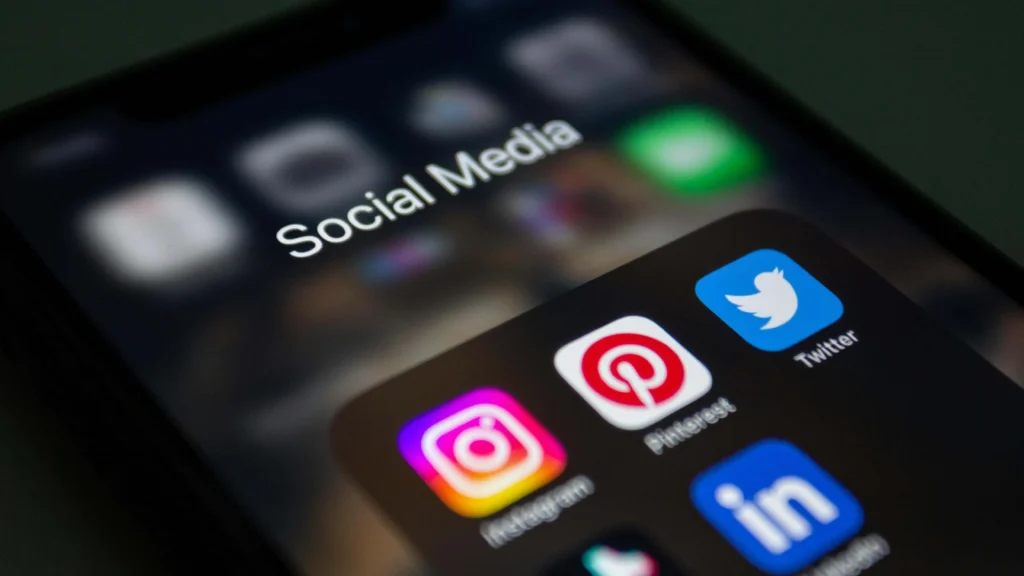
Social Media Marketing
Social media marketing covers both organic posting and paid advertising on platforms like Facebook, Instagram, LinkedIn, TikTok, and X. Each platform attracts a different audience and rewards different content formats, so treating them all the same is a guaranteed way to waste time and money.
LinkedIn dominates B2B. Instagram and TikTok work best for visual consumer brands. Facebook still has the largest user base for local businesses and community building. The most common mistake is businesses spreading themselves across five platforms and doing a mediocre job on all of them. Pick one or two where your buyers actually hang out and go deep.
Paid social ads have gotten expensive. Meta’s average CPMs have climbed steadily, and organic reach on Facebook business pages is basically dead. But the targeting is still unmatched. You can get your message in front of extremely specific audiences based on interests, behaviors, job titles, location, and more. Businesses using geo-targeting alongside paid social see better results because they’re not wasting impressions on people outside their service area.
What Makes Affiliate Marketing Different?
Affiliate marketing is a performance-based model where you pay partners (affiliates) a commission only when they generate a sale or lead for your business. The affiliate promotes your product through their website, email list, or social channels, and you pay a percentage of each resulting transaction.
The appeal is obvious: you don’t pay until you get results. That makes it one of the lowest-risk types of digital marketing, which is why e-commerce brands love it. Amazon’s program is the most well-known example, but thousands of businesses run their own through platforms like ShareASale, CJ Affiliate, and Impact.
The downside is control. You’re trusting third parties to represent your brand accurately. Poorly managed programs attract low-quality partners who use spammy tactics or misleading claims. Tracking and fraud prevention are real concerns that require proper affiliate management software and active oversight.

How Influencer Marketing Has Shifted in 2026
Influencer marketing means paying someone with an established online audience to promote your product or service. It works because people trust recommendations from actual humans more than they trust ads.
A major shift worth paying attention to: micro-influencers (10,000 to 100,000 followers) consistently outperform celebrities on ROI. The reason is engagement. Mega-influencers might have millions of followers, but their engagement rates tend to be low. Micro-influencers have smaller, more loyal audiences who actually take action. If you’re a small or mid-size business, you’ll almost always get more from five micro-influencers than one celebrity deal.
One thing that gets overlooked: influencer marketing works best as a long-term relationship, not a one-off sponsored post. Single posts get forgotten fast. Ongoing partnerships build real familiarity and trust with the influencer’s audience over time.
Which Type of Digital Marketing Should You Start With?
For a business starting from zero, the strongest opening move is SEO paired with content marketing. The results take longer (three to six months minimum), but you’re building assets that keep working for you. The Search Engine Journal State of SEO report confirms the industry is moving toward AI-driven search and stronger E-E-A-T signals, which means the businesses investing in quality SEO now will be the ones showing up in AI-generated answers tomorrow.
PPC makes sense as a complement, not a replacement. Run ads to generate revenue while your organic efforts build momentum. Email marketing should come online as soon as you have traffic, because every visitor you don’t capture is gone forever. Social media and influencer marketing fill in once your foundation is solid.
For larger organizations managing hundreds of pages, enterprise SEO becomes its own discipline with different tools, workflows, and budget requirements. But the principles are the same at every scale.
The businesses winning at digital marketing in 2026 aren’t doing one thing well. They’re running three or four types of digital marketing together, with each channel reinforcing the others. That’s where the compounding happens.
FAQs
What are the 7 types of digital marketing?
The seven types of digital marketing are search engine optimization (SEO), pay-per-click advertising (PPC), content marketing, email marketing, social media marketing, affiliate marketing, and influencer marketing. Each channel serves a different purpose, targets buyers at different stages, and requires different budget levels. Most businesses see the best results by combining three or four channels rather than relying on just one.
Which type of digital marketing has the highest ROI?
Email marketing consistently produces the highest ROI, with most industry benchmarks placing returns between $36 and $42 for every $1 spent. SEO comes in second for long-term value because organic traffic compounds over time without ongoing per-click costs.
How much does digital marketing cost for a small business in 2026?
Costs vary widely by channel. SEO retainers for small businesses typically run $500 to $5,000 per month, with local campaigns averaging $1,500 to $2,500. PPC budgets depend on your industry’s cost per click. Email marketing platforms start under $50 per month. The Bureau of Labor Statistics reports the median marketing manager salary at $161,030 annually, so hiring in-house carries significant overhead compared to outsourcing specific channels.
Is SEO still worth it after Google’s 2025 and 2026 algorithm updates?
Yes. Google’s December 2025 and March 2026 core updates raised the bar on content quality and E-E-A-T signals, but they didn’t reduce the value of ranking. The US SEO market grew 14.1% in 2025, reaching $119.4 billion. Businesses are investing more in SEO, not less. The updates reward sites with genuine expertise and punish thin, low-effort content.
What’s the difference between SEO and PPC?
SEO generates free organic traffic by ranking your pages in unpaid search results. PPC generates paid traffic by placing ads above those organic results. SEO takes three to six months to gain traction but builds lasting value. PPC delivers instant visibility but stops the moment you pause your budget. Smart strategies use both: PPC for immediate revenue, SEO for long-term growth.
Do small businesses need all seven types of digital marketing?
No. Spreading across all seven with a limited budget is one of the most common and expensive mistakes. Start with SEO and content marketing for long-term organic growth. Add email marketing as soon as you have traffic. Layer in PPC if you need leads fast. Social media, affiliate, and influencer marketing should come later once your core channels are producing.
How has AI changed digital marketing in 2026?
AI now powers Google’s search results through AI Overviews, which appear in over half of all queries. A new field called Generative Engine Optimization (GEO) has emerged alongside traditional SEO, focused on getting cited by AI systems like ChatGPT and Perplexity. Gartner has projected a potential 50% drop in traditional organic traffic by 2028 due to AI answers. Businesses that structure content for both human readers and AI extraction will have a significant advantage.

Mike has over 5 years of experience helping clients improve their business visibility on Google. He combines his love for teaching with his entrepreneurial spirit to develop innovative marketing strategies. Inspired by the big AI wave of 2023, Mike now focuses on staying updated with the latest AI tools and techniques. He is committed to using these advancements to deliver great results for his clients, keeping them ahead in the competitive online market.