
Google Core Updates 2026: Timeline, Changes & Recovery
Google core updates in 2026 have reshuffled rankings more aggressively than anything we’ve seen in the past three years. Between March 2025 and April 2026, Google released three core updates, two spam updates and its first-ever Discover-only update. The March 2026 core update was the most volatile on record, with SE Ranking data showing 79.5% of top-3 results changed positions and nearly one in four top-10 pages fell completely out of the top 100.
A Google core update is a broad recalibration of how Google’s algorithm evaluates content quality across billions of pages. Core updates don’t target specific sites or penalize rule violations. They adjust the entire ranking formula so that content Google now considers more relevant, trustworthy and useful rises while lower-quality content drops.
I’ve tracked every one of these updates across client sites, and this cycle has been different. The old playbook of “publish more, build more links, wait it out” doesn’t work anymore. Google is rewarding destination sites – the ones that own their data, show real expertise and give users a reason to stay. If your site acts as a middleman between a searcher and the actual answer, you’re on the wrong side of this trend.
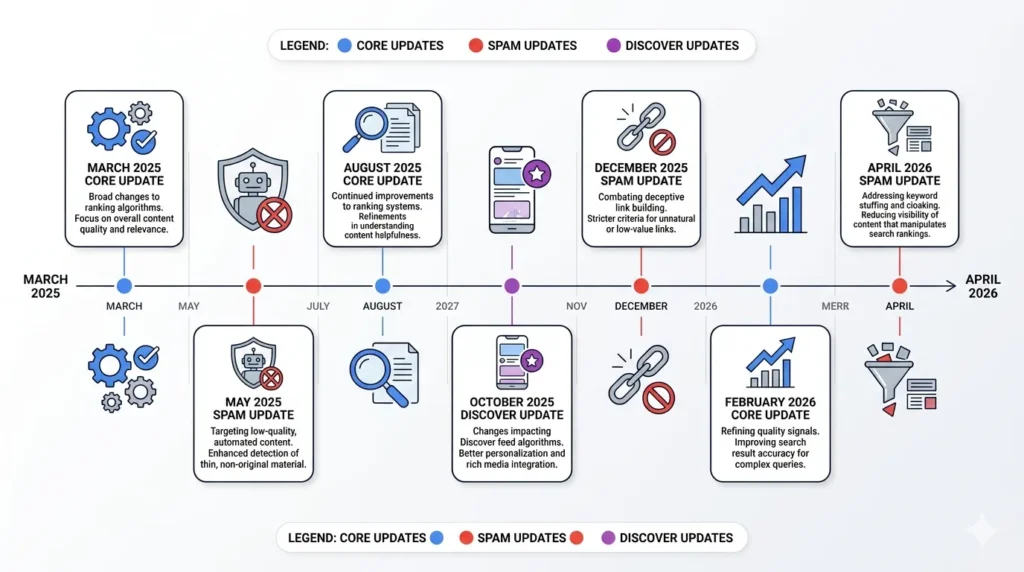
Every Google Core Update From 2025 Through 2026
Seven ranking updates in 13 months. That’s the pace Google set from early 2025 through spring 2026. You can verify exact dates on the Google Search Status Dashboard, but I’ve pulled the key data into one place:
| Update | Dates | Days | Volatility | Top-3 Churn | Key Impact |
| Mar 2025 Core | Mar 13 – 27 | 14 | Moderate | N/A | Baseline update across categories |
| Jun 2025 Core | Jun 30 – Jul 17 | 17 | High | N/A | E-E-A-T weight increased; affiliates hit first |
| Aug 2025 Spam | Aug 26 – Sep 22 | 27 | High | N/A | Targeted link spam, manipulative content |
| Dec 2025 Core | Dec 11 – 29 | 18 | Very High | 66.8% | E-commerce down 52%, health 67%, affiliates 71% |
| Feb 2026 Discover | Feb 5 – 26 | 21 | Moderate | N/A | First Discover-only update ever. Clickbait reduced |
| Mar 2026 Spam | Mar 24 – 25 | <1 | Low | N/A | Fastest spam update on record. All languages |
| Mar 2026 Core | Mar 27 – Apr 8 | 12 | Extreme | 79.5% | Most volatile ever. 24% of top-10 dropped to 100+ |
Source: Google Search Status Dashboard, SE Ranking data reported by Search Engine Land (April 2026)
What Is a Google Core Update?
A core update changes how Google weighs quality signals across its entire index. It isn’t a penalty for breaking rules. Google’s own core updates documentation puts it simply: your content didn’t get worse, other content just got reassessed as better.
Google rolls these out every three to four months. Each one takes roughly one to three weeks to finish. During rollout, rankings bounce around unpredictably because different parts of the algorithm update at different times. John Mueller confirmed this staggered process after the March 2026 update, explaining that multiple ranking systems update step by step rather than all at once.
Don’t confuse core updates with spam updates. Spam updates go after specific violations like link schemes, cloaking or scraped content. Core updates are broader. They recalibrate how Google scores everything from author credibility to how well a page actually answers the query someone typed.
5 Major Changes From the December 2025 Core Update
The December 2025 core update ran from December 11 to December 29 and hit harder than any update that year. SE Ranking’s analysis of 100,000 keywords showed 66.8% of top-3 results shifted positions. But the real story was what Google changed under the hood.
How Does Google Treat AI Content Now?
Google didn’t ban AI content. Google’s Search Advocate John Mueller said it plainly: the systems don’t care if content is created by AI or humans, what matters is whether it’s helpful for users.
But “helpful” is doing a lot of work in that sentence. What actually triggered drops was mass-produced AI content with generic phrasing patterns, zero first-hand examples, vague source attribution (“experts say” with no actual expert named) and sudden publishing velocity spikes. I’ve seen this play out with clients running 50+ AI articles per month. The sites that added human review, original data and real expertise to AI drafts? They held steady or gained. The ones that hit publish on raw outputs? They got crushed.
If you’re using AI as a drafting tool while maintaining editorial quality, that approach still works. AI’s role in search optimization is growing, but the bar for what qualifies as “quality” keeps rising.
Does E-E-A-T Apply Beyond Health and Finance Topics?
Yes, and that shift happened with the December 2025 update. E-E-A-T (Experience, Expertise, Authoritativeness, Trustworthiness) used to matter mainly for health, finance and legal content. Now it applies to practically all competitive searches, including e-commerce reviews, SaaS comparisons and how-to guides.
The practical impact: Google’s documentation now emphasizes clear author attribution with credentials, visible publication and update dates, original research or testing behind recommendations, and proper sourcing for statistics and claims. If your author byline still says “Admin” or your pages lack any indication of who wrote them, that’s a problem across every niche now, not just health and finance.
Did Core Web Vitals Thresholds Change?
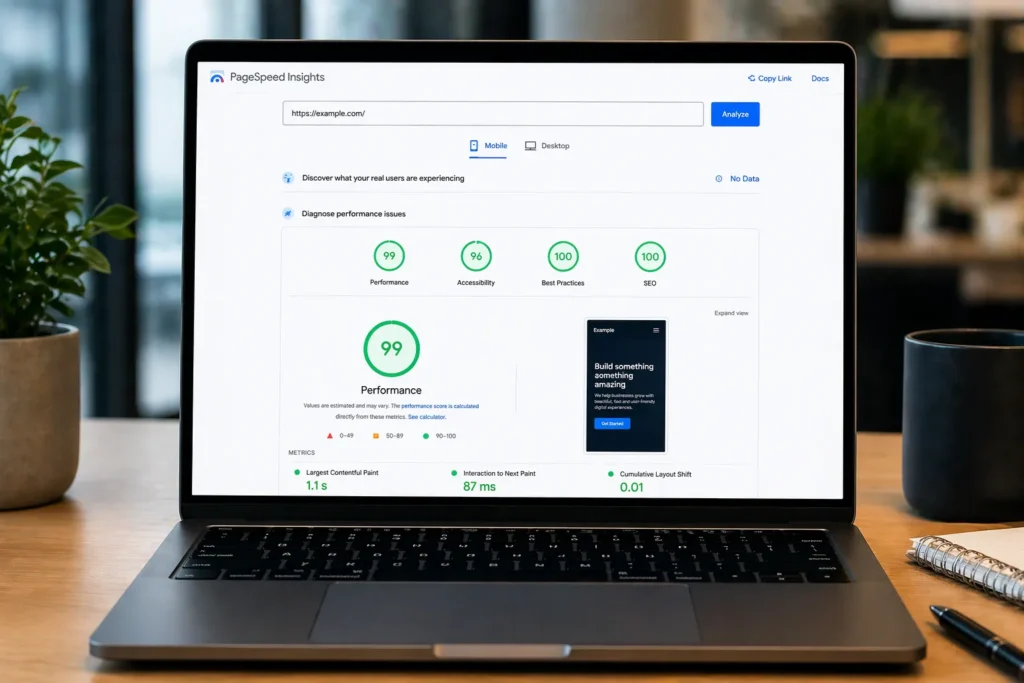
The bar got higher. Analysis of affected sites after December 2025 showed that pages with LCP (Largest Contentful Paint) above 3 seconds experienced roughly 23% more traffic loss than faster competitors with similar content quality. Poor INP (Interaction to Next Paint) scores above 300ms caused around 31% drops, especially on mobile.Google’s recommended targets remain LCP under 2.5 seconds, INP under 200ms and CLS (Cumulative Layout Shift) under 0.1. These get measured at the 75th percentile of real user experiences through PageSpeed Insights. If you’ve got technical SEO problems dragging your vitals down, fixing those should be at the top of your list.
How Did Freshness Signals Change?
Google got better at spotting fake freshness. Changing your publication date without meaningful content updates, slapping “Updated for 2026” on an unchanged article, making cosmetic edits that add nothing new all of these triggered penalties in the December update.
What got rewarded was the opposite: substantive updates with specific new information, transparent edit histories showing what changed and when, and leaving evergreen content alone when it doesn’t need touching. Actually, that last point trips people up. Not everything needs a date stamp refresh. Historical guides, foundational tutorials and reference content should stay as-is unless the underlying facts changed.
Are User Engagement Metrics Weighted More Now?
Behavioral signals carried increased weight in December 2025. Google evaluates pogo-sticking (users bouncing right back to search results), scroll depth, time on page, internal link clicks and return visit rates. Sites with intrusive ads, slow-loading elements or content buried below the fold saw outsized ranking losses.
I’ll be blunt: if your above-the-fold experience is three ad units and a cookie banner, you’re fighting against the algorithm. Users leave, Google notices and your rankings reflect that.
What Changed With the 2026 Google Core Updates?
2026 opened with two updates before most SEO teams finished their Q1 planning. And then March hit.
February 2026 Discover Update (Feb 5 – Feb 26)
This was the first Discover-only update Google ever confirmed. It didn’t touch Search rankings at all. It exclusively targeted the Discover feed – the content recommendations on Google’s mobile homepage.
Locally relevant content from sites based in the user’s country got priority. Sensational headlines and clickbait lost visibility. If your Discover traffic dropped during this window, review your headlines. If they promise more than your article delivers, that’s your answer. Original, in-depth reporting from sites with demonstrated expertise gained ground.
March 2026 Spam Update (Mar 24 – Mar 25)
This one rolled out in less than a day, making it the fastest spam update on record. It targeted all languages globally. Google didn’t publish specifics, but spam updates typically go after link manipulation, cloaking, auto-generated ranking bait and scraped content.
The timing matters because it finished just one day before the core update started. That overlap made diagnosis a nightmare for anyone who saw drops during this window.
How Volatile Was the March 2026 Core Update?
The most volatile core update Google has ever released. And it’s not close.
SE Ranking analyzed 100,000 keywords across 20 niches and compared March 2026 directly to December 2025. The numbers were reported by Search Engine Land in mid-April 2026:
79.5% of top-3 URLs changed positions (vs. 66.8% in December). 90.7% of top-10 URLs shifted (vs. 83.1%). Only 20.5% of top-3 URLs held their exact spot (down from 33.1%). And 24.1% of pages in the top 10 fell out of the top 100 entirely (vs. 14.7%). Nearly 30% of URLs now sitting in the top 3 had ranked outside the top 20 before the update, more than double December’s 13%.
Independent analysis using Sistrix data confirmed the same pattern. Rankings shifted away from intermediary sites toward destination sources: official and institutional sites, specialist niche platforms, established brands and government domains like Census.gov and BLS.gov.
The losers? Aggregators, directories, comparison sites, job aggregators like ZipRecruiter and Glassdoor, broad consumer health sites, travel discovery platforms and YouTube (the largest single-domain visibility loss). If your site exists as a layer between the user and the actual information they want, this update was a warning shot.
How Do You Know If a Google Core Update Hits Your Site?
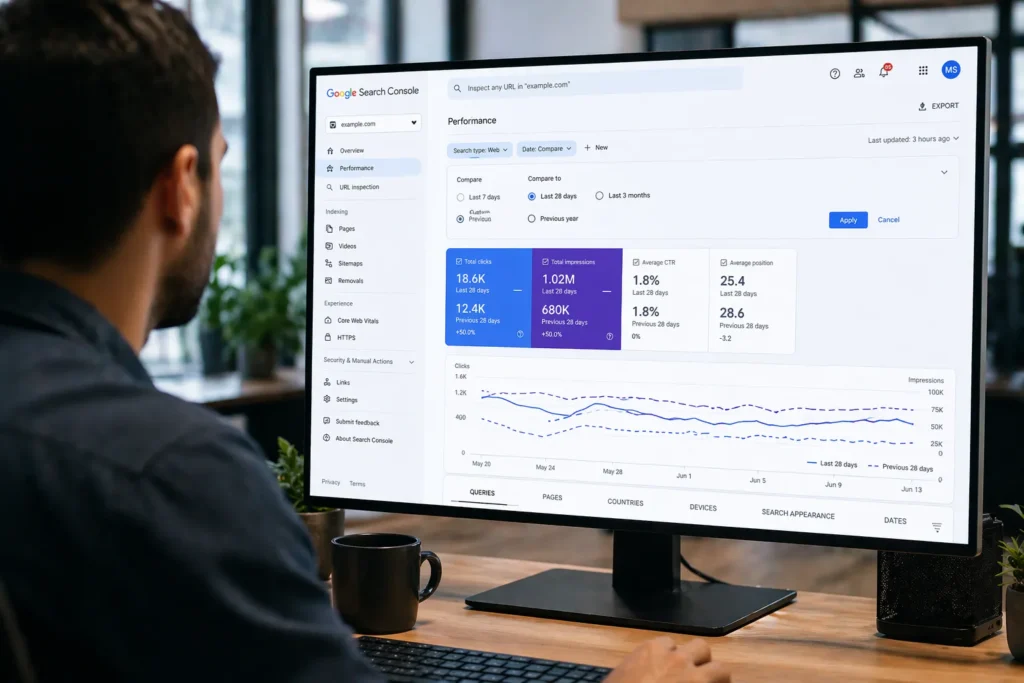
Open Google Search Console and compare the two weeks before the update rollout to the two weeks after. For the March 2026 core update, that means March 15-26 vs. April 1-12.
Clear signs you were hit: impressions dropped 30% or more, average position fell 10+ spots, or clicks decreased while impressions stayed stable (meaning you still rank but users aren’t clicking). A less obvious signal is Discover traffic disappearing entirely.
Fluctuations under 10% are normal noise. And if you saw a dramatic drop on September 15, 2025 specifically, that was a confirmed Search Console reporting glitch, not an algorithm hit.
One thing most recovery guides skip: check whether the problem is Google-specific or a broader content issue. If your email engagement, social traffic and direct visits all declined at the same time, the algorithm may not be the root cause. Track across channels before assuming a core update is the culprit.
How to Recover From a Google Core Update in 2026
Google doesn’t hand out recovery checklists. But their documentation, public statements and observable patterns from sites that bounced back all point to five areas. I’ve listed these in priority order – start from the top.
1. Prove Your Expertise Is Real
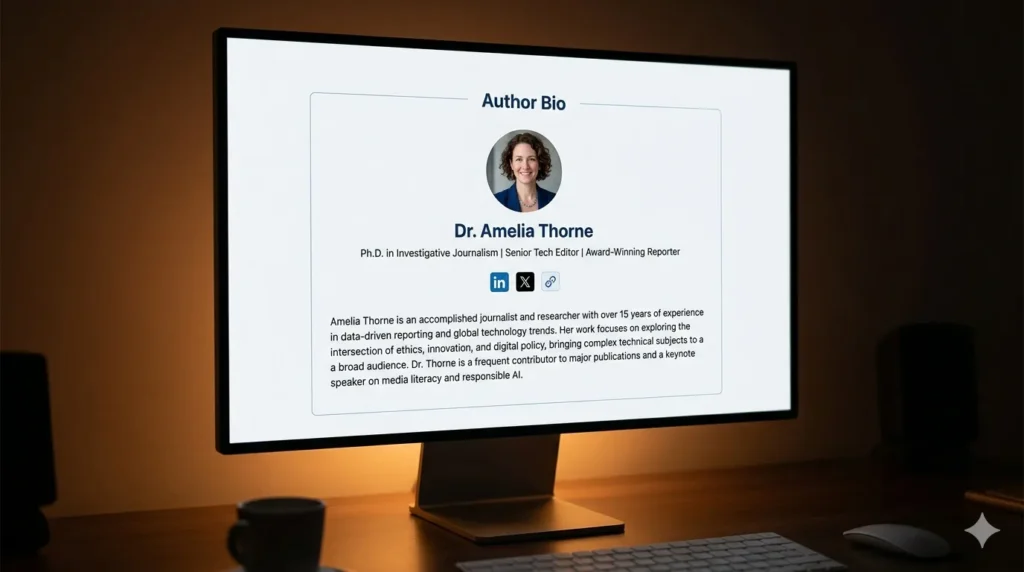
Add real author names to every page. Not “Admin.” Not “Staff Writer.” Real names with real credentials and links to verifiable professional profiles. Include author bios that explain why this person is qualified to write about the topic.
Then go deeper in the content itself. Provide specific details that only someone with hands-on experience would know. Reference direct experience. Cite authoritative sources by name. If you’re making a recommendation, explain what you tested, what you saw and why you’re recommending it. Content quality without demonstrated expertise doesn’t cut it anymore.
2. Replace Vague Advice With Specific Details
Generic content underperforms across the board now. Instead of “this tool helps with marketing,” you need something like “open the Reports dashboard, click Custom Report and set your date range comparison.” Instead of “speed up your images,” you need “compress hero images to WebP format and add preload hints in your HTML head.”
Include process steps with exact terminology, real numbers from actual scenarios and original screenshots when possible. If your content reads like it could apply to any business in any industry, it’s too generic. Tight primary keyword targeting paired with specific how-to detail is what ranks now.
3. Fix Your Core Web Vitals
For LCP under 2.5 seconds: compress your largest images with compression and modern formats like WebP or AVIF, preload above-the-fold resources and strip render-blocking JavaScript and CSS. For INP under 200ms: minimize JavaScript execution time, break up long tasks using requestIdleCallback() and reduce event handler processing. For CLS under 0.1: set explicit dimensions on all images and videos, reserve space for ad units before they load and stop inserting content above existing elements.
Test using PageSpeed Insights field data, not lab data. Field data shows what real users experience. Lab data shows what a simulated test shows. They’re often very different.
4. Update Content the Right Way
Not everything needs updating. Product reviews and comparisons need refreshing as products change. Time-sensitive content needs regular attention. But historical information, evergreen tutorials and reference content should stay put unless the underlying facts shifted.
When you do update, make real changes. Add new data points, remove outdated statistics, incorporate recent developments. And note what you changed and when. Transparency builds trust with both users and algorithms. While you’re at it, make sure your sitemap stays current so Google can find your refreshed pages.
5. Make the Experience Worth Staying For
Does your content directly answer the query? Can users find information without excessive scrolling? Are ads and pop-ups wrecking the experience? Does the page load fast on mobile?
Google’s Search Liaison Danny Sullivan has repeated this after every recent update: focus on creating helpful, reliable, people-first content rather than optimizing for search engines. That sounds like PR-speak, but the data backs it up. Sites that reduced ad clutter, added jump navigation and improved mobile speed saw measurable ranking gains after December 2025.
What Won’t Fix Your Rankings After a Core Update?
Changing all your dates to 2026 won’t help. Google detects when content was actually modified, not just when dates were swapped.
Deleting underperforming pages usually makes things worse. Unless they’re actual spam, removing pages can hurt your topical authority. Improve them instead.
Building more backlinks won’t reverse a core update hit. Recent core updates have focused heavily on on-page content quality. Links still matter for SEO broadly, but they won’t paper over thin content.
And using AI to surface-rewrite existing pages doesn’t address the underlying quality issue. If the original content lacked depth and expertise, an AI paraphrase of it will lack depth and expertise too. Just shinier.

How Long Does Google Core Update Recovery Take?
Weeks 1-3 during rollout: rankings bounce around as the update deploys in phases. The March 2026 update showed minimal movement for the first three days before significant shifts started around March 31. Don’t make knee-jerk changes during this window.
Weeks 4-8 after rollout completes: rankings begin stabilizing. For the March 2026 update, that’s from April 8 onward. This is when to start implementing improvements based on analysis.
2-3 months out: Google recrawls and reassesses improved content. Some recovery can happen between major updates through smaller, unannounced adjustments. Google’s documentation confirms that smaller core updates happen regularly without announcements and can produce ranking improvements.
Full recovery often requires the next broad core update, typically 3-4 months later. Based on recent patterns, expect the next core update around June or July 2026. But I’ve seen sites regain 60-70% of lost traffic within 6-8 weeks of making real improvements, so don’t assume you have to wait.
How Should You Measure Core Update Recovery?
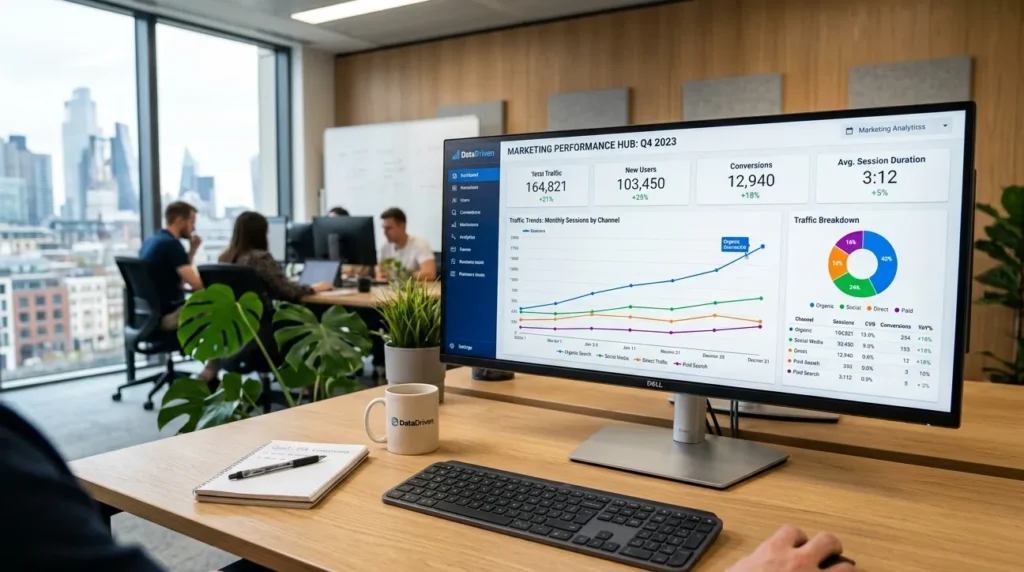
Stop staring at rankings alone. Track traffic quality in Google Analytics and Search Console: pages per session, average session duration, bounce rate and conversion rate. Track engagement signals too, scroll depth, internal link click-through rates, return visitor percentage and direct traffic growth.
Here’s what most people miss: sometimes decreased traffic with improved conversion rates is actually a win. You’re attracting more qualified visitors even if total numbers dropped. If revenue stayed flat or grew while traffic fell 20%, the update may have done you a favor by filtering out unqualified clicks.
Meanwhile, AI Overviews are changing the math entirely. An Ahrefs study published February 2026 found that AI Overview presence correlates with a 58% lower click-through rate for the #1 organic result, up from 34.5% reduction in their April 2025 study. Combined with SparkToro data showing over 58% of Google searches result in zero clicks, you need to measure visibility and brand exposure alongside raw traffic. Rankings that don’t generate clicks have a different kind of value now, they’re featured snippet territory where brand impressions matter even without the click.
What Every Site Owner Should Do Right Now
Google core updates in 2026 have been the most disruptive in years, and the trajectory is clear. Each update since June 2025 has tightened the bar. The global SEO services market hit an estimated $92.74 billion in 2025 and is projected at $108.28 billion in 2026 according to Research and Markets data – and a big chunk of that spending exists specifically because these updates keep raising the standard for what ranks.
If you lose rankings: verify author expertise and credentials, add specific detailed information to your content, fix Core Web Vitals (focus on LCP and INP first), update outdated content with substance rather than cosmetic edits and reduce friction in your user experience.
If you held steady or gained: your content likely already demonstrates the qualities Google is rewarding. Keep doing what works. But don’t get comfortable. Enterprise-level SEO programs that treat quality as a continuous process, not a one-time fix, are the ones that survive update after update.
The question every site owner should be asking isn’t “what changed in the algorithm.” It’s “what genuine value does my site provide that nobody else does?” That’s what Google core updates in 2026 are built to surface.
FAQs
How long does it take to recover from a Google core update?
Full recovery typically takes 3 to 6 months and often requires the next broad core update to fully take effect. Google has stated that not all sites will fully recover. However, sites that make meaningful improvements to content quality, E-E-A-T signals and user experience can see partial gains within 6 to 8 weeks. Google also rolls out smaller unannounced algorithm adjustments between major updates, which can produce ranking improvements before the next official core update.
Does Google penalize AI-generated content in core updates?
No. Google doesn’t automatically penalize content because AI wrote it. John Mueller confirmed that Google’s systems evaluate helpfulness, not creation method. The distinction is between AI content that’s been reviewed, fact-checked and enriched with human expertise versus mass-produced AI output published without editorial oversight. The latter gets targeted through spam systems, not core updates specifically.
Why did my site lose rankings after the March 2026 core update?
Core updates re-evaluate content quality across the entire web. SE Ranking data showed 79.5% of top-3 results changed positions during March 2026. Your content didn’t necessarily get worse. Other sites may have improved, or Google’s systems now better recognize topical authority gaps, thin content or missing expertise signals. Compare your affected pages against the current top 3 results for each keyword to identify what they offer that you don’t.
How do Google AI Overviews affect organic traffic after core updates?
AI Overviews significantly reduce clicks to organic results. An Ahrefs study from February 2026 found AI Overview presence correlates with a 58% lower click-through rate for the number one organic result. Combined with SparkToro data showing over 58% of Google searches now produce zero clicks, rankings alone no longer tell the full traffic story. Sites need to measure brand visibility and impression share alongside click-based metrics.
What’s the best way to check if a core update affected my site?
Open Google Search Console and compare clicks and impressions for the 14 days before versus 14 days after the update rollout. For the March 2026 core update, compare March 15-26 to April 1-12. An impressions drop of 30% or more, average position falling 10+ spots, or declining clicks with stable impressions are clear impact signals. Fluctuations under 10% are normal and likely not update-related.
Are small or independent sites at a disadvantage after recent core updates?
Not necessarily. Google’s August 2024 update specifically aimed to surface useful content from small and independent sites. The March 2026 data shows that specialist niche platforms with demonstrated expertise gained visibility, regardless of site size. What matters is genuine value and topical authority, not domain size. Small sites with deep expertise in a specific area can and do outrank larger generalist competitors.
Should I disavow backlinks after a Google core update drops my rankings?
Probably not. Core updates focus on content quality re-evaluation, not link-based penalties. Disavowing links makes sense only if you have clear evidence of toxic or manipulative backlinks pointing to your site. For most sites affected by core updates, the fix is content improvement and stronger E-E-A-T signals, not link cleanup. Check your backlink profile with tools like Ahrefs or SEMrush, but prioritize content quality first.

Michael Vale has over 5 years of experience helping clients improve their business visibility on Google. He combines his love for teaching with his entrepreneurial spirit to develop innovative marketing strategies. Inspired by the big AI wave of 2023, Michael Vale now focuses on staying updated with the latest AI tools and techniques. He is committed to using these advancements to deliver great results for his clients, keeping them ahead in the competitive online market.