
4 Types Of Keywords In SEO With Examples
There are four main types of keywords in SEO: informational, navigational, commercial, and transactional keywords. Each keyword type targets users at different stages of their search journey and buying process.
Informational keywords help users find educational content and answers to questions (example: “how to improve posture”). Navigational keywords direct users to specific websites or brands they already know (example: “YouTube login page”). Commercial keywords attract users comparing products or services before buying (example: “best ergonomic office chairs”). Transactional keywords capture users ready to take immediate action like purchasing or signing up (example: “buy running shoes online”).
Understanding these four keyword types helps you create content that matches user intent at every stage. This guide explains each keyword type with clear examples and shows you how to use them effectively. Learn how to target the right keywords to boost your visibility, increase traffic, and drive conversions.
Information-Seeking Keywords
People use informational keywords when they want to learn something new, fix a problem, or research a topic. These search queries come from users seeking knowledge instead of looking to make a purchase. Content ranking for these keywords typically includes helpful how-to guides, tutorials, and educational blog posts.
Searches such as “how to improve posture,” “chiropractic care benefits,” or “back pain causes” belong to this keyword category. These keywords attract users at the awareness stage of their journey. This gives your brand a chance to educate them and build strong credibility early on.
Navigation-Based Keywords
Navigation keywords help users find a specific website, page, or brand they already know and want to visit. These searches show intent to locate a destination rather than explore new options. Brands frequently appear in these queries, and optimizing for them boosts direct traffic to your website effectively.
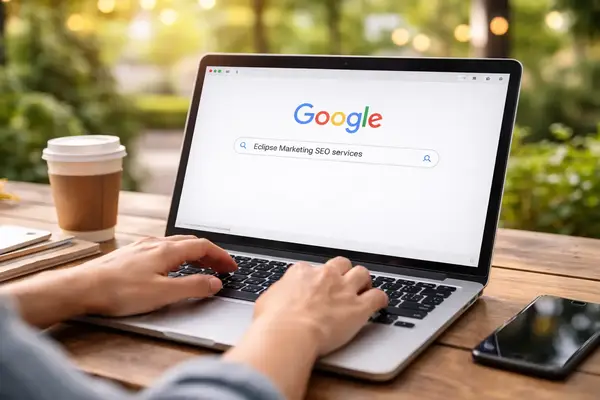
Examples include searches like “WebMD back pain article,” “Eclipse Marketing SEO services,” or “YouTube login page.” Users typing these terms already trust a specific source and want to reach it faster.
Comparison-Stage Keywords
Commercial keywords are used when someone researches options and compares products or services before buying. These users are not ready to purchase yet, but they are getting close to making a decision. They want to compare features, read reviews, or explore benefits before choosing what to buy.
Search phrases like “best ergonomic office chairs,” “top chiropractors near me,” or “standing desk reviews” show this behavior. Users are evaluating their options before deciding on a final choice. These keywords work great for comparison content, listicles, buying guides, and expert reviews. They help position your offering as the top choice in your market.
Targeting commercial keywords lets businesses engage high-intent users during a critical decision-making phase. It’s a powerful strategy to influence purchasing behavior, build trust, and guide prospects toward conversion. This keyword type plays a vital role in both organic SEO strategies and paid advertising campaigns.

Action-Ready Keywords
Transactional keywords are used when someone is ready to take action, like buying or signing up. These searches show high intent, making them valuable for landing pages and paid ads. A smart strategy includes using these keywords on your product or service pages.
For example, phrases like “buy running shoes online,” “subscribe to streaming service,” or “get insurance quote” are transactional. They often include action verbs like “buy,” “get,” or “download” that signal purchase intent. These keywords help capture users who are ready to engage or convert immediately.
Conclusion
Mastering the four types of keywords in SEO is essential for driving targeted traffic and increasing conversions. By understanding informational, navigational, commercial, and transactional keywords, you can create content that meets users exactly where they are in their journey. Each keyword type serves a specific purpose, from building awareness to capturing ready-to-buy customers.
Start implementing these keyword strategies today to improve your search visibility and attract more qualified leads. Focus on matching your content to user intent at every stage of the funnel. This approach will help you rank higher, engage better, and convert more effectively.
At Eclipse Marketing, we specialize in crafting keyword strategies that deliver real results for businesses. Our team helps you identify the right keywords, optimize your content, and maximize your ROI. Ready to take your SEO strategy to the next level? Contact Eclipse Marketing today and let us help you dominate search results with a data-driven approach.
FAQs
What are the four main types of keywords in SEO?
The four main types are informational, navigational, commercial, and transactional keywords. Each type targets users at different stages of their search journey and buying process.
How do informational keywords differ from transactional keywords?
Informational keywords target users seeking knowledge or answers to questions, while transactional keywords capture users ready to buy or take action. Informational keywords build awareness, but transactional keywords drive immediate conversions.
When should I use commercial keywords in my content?
Use commercial keywords when targeting users who are comparing products or services before making a purchase decision. These keywords work best in comparison content, buying guides, product reviews, and listicles that help users evaluate options.
Can one piece of content target multiple keyword types?
Yes, you can strategically include multiple keyword types in one piece of content to capture users at different stages. However, focus on one primary keyword type that matches your main content goal for better results.
How do I find the right keywords for my business?
Start by using keyword research tools like Google Keyword Planner, SEMrush, or Ahrefs to identify relevant search terms. Analyze search intent, competition, and search volume to choose keywords that align with your business goals and audience needs.

Mike has over 5 years of experience helping clients improve their business visibility on Google. He combines his love for teaching with his entrepreneurial spirit to develop innovative marketing strategies. Inspired by the big AI wave of 2023, Mike now focuses on staying updated with the latest AI tools and techniques. He is committed to using these advancements to deliver great results for his clients, keeping them ahead in the competitive online market.