
What Are Three Important Components In SEO Strategy?
The three essential components of SEO strategy are On-Page Optimization, Off-Page Optimization, and Technical SEO. On-page optimization focuses on content quality, keyword targeting, and meta tags. Off-page optimization builds authority through backlinks and social signals. Technical SEO ensures search engines can crawl, index, and rank your site effectively.
Key Takeaways
- On-Page Optimization includes keyword research, high-quality content creation, meta tag optimization, clean URL structure, internal linking, and fast page load times
- Off-Page Optimization focuses on earning quality backlinks from authoritative sources and building social media presence to drive traffic and establish credibility
- Technical SEO covers site structure organization, mobile responsiveness, and schema markup implementation for better crawlability and search visibility
- Quality matters over quantity in all three components, strategic implementation of each element creates stronger overall SEO performance
- These three components work together synergistically: strong technical foundations support on-page content, while off-page signals validate your authority
Understanding and implementing all three components creates a comprehensive SEO strategy that improves search rankings, attracts qualified traffic, and establishes long-term digital presence in competitive markets.
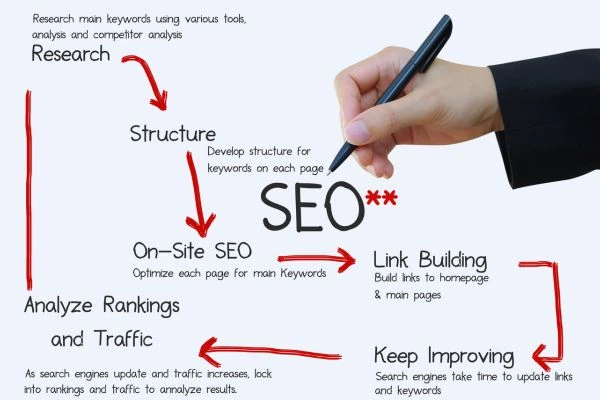
Three Core Components Every SEO Strategy Needs
Building a strong online presence matters for any professional today. This holds especially true for those working in competitive fields who want to succeed online. Search Engine Optimization, commonly called SEO, helps improve how websites appear in search results. SEO might seem complicated at first, but understanding its three core elements makes it manageable. Breaking down these components helps you create effective strategies that bring in more targeted visitors. The three essential parts are On-Page Optimization, Off-Page Optimization, and Technical SEO. Mastering these elements can transform your digital visibility and help potential clients find you easily.
Understanding On-Page Optimization
Improving your website’s search performance means optimizing individual pages to rank higher and attract qualified visitors. This process combines technical elements with quality content creation. Each optimization factor works together to boost your site’s visibility. When done correctly, these strategies help search engines understand and value your content. Here are the essential elements you need to focus on.
Targeting Keywords That Convert
Success starts with understanding what your audience searches for online. Research reveals the exact phrases potential clients use when seeking your services. You must place these terms naturally throughout your content to match search intent. This alignment helps search engines connect your pages with relevant queries. Strategic placement shows both users and algorithms that you offer genuine expertise. Quality keyword integration demonstrates authority without forcing unnatural repetition. Focus on terms that reflect real problems your audience wants solved.
Creating Valuable Content
Quality content serves as the foundation of effective search optimization. Your material must educate readers while addressing their specific needs and concerns. Fresh, relevant information keeps visitors engaged and encourages return visits. Search engines reward websites that consistently publish helpful resources and insights. Share practical tips that demonstrate your knowledge and build trust with readers. Every piece should offer real value rather than simply filling space. Regular updates signal that your site remains active and authoritative. Content that resonates with your audience naturally attracts both human readers and search visibility.
Optimizing Meta Tags
Your meta titles and descriptions create critical first impressions in search results. These short previews determine whether users click through to your website. Compelling language combined with relevant terms improves click-through rates significantly. Each meta tag should accurately describe the page content while enticing curiosity. Search engines use this information to understand your page’s focus and relevance. Well-crafted previews help users quickly identify content that matches their needs. Invest time in writing unique, descriptive tags for every important page.
Optimizing Your URL Structure
Clean, descriptive URLs improve both user experience and search engine understanding. Your web addresses should clearly indicate what content visitors will find. Including relevant keywords in URLs provides context before users even click. Simple, readable structures make pages easier to remember and share. Search engines can quickly index and categorize well-structured addresses. Avoid long strings of numbers or meaningless characters in your URLs. Clear addressing helps both technology and humans navigate your site effectively.
Connecting Related Pages
Strategic internal links guide visitors through your website’s content naturally. These connections help users discover related information without leaving your site. Linking relevant pages distributes authority throughout your entire website structure. This practice improves navigation while strengthening individual page performance. Search engines follow these links to understand your site’s organization and hierarchy. Well-planned linking creates a web of related content that benefits rankings. Each link should add value by directing users to genuinely helpful resources.
Improving Load Times
Fast-loading pages create better experiences and satisfy important ranking factors. Visitors expect websites to load quickly on all devices and connections. Slow performance frustrates users and increases the likelihood they’ll leave immediately. Search engines prioritize sites that deliver content efficiently to users. Optimizing images, code, and server response times reduces loading delays. Every second of improvement enhances both satisfaction and search visibility. Regular speed testing helps identify and fix performance bottlenecks before they impact results.
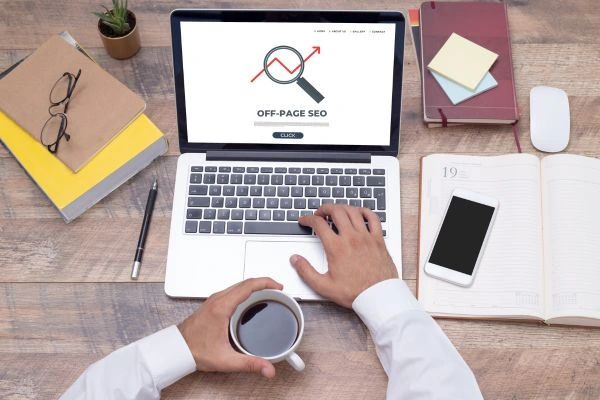
Off-Page SEO Enhancement
Off-page optimization involves external activities that boost your search rankings. These strategies work outside your website to establish credibility and visibility. Understanding these techniques helps strengthen your overall digital presence. Each element plays a vital role in how search engines evaluate your site.
Earning Backlinks
Acquiring high-quality backlinks from authoritative websites is essential for increasing your site’s authority. Search engines view these links as votes of confidence in your content. Building a diverse portfolio of backlinks from reputable sources can significantly impact your website’s search rankings. Focus on earning links from industry-related websites and trusted publications. Quality matters more than quantity when it comes to link building. Each backlink should come from a credible source that aligns with your niche. Strong backlinks help search engines understand your site’s relevance and trustworthiness. This strategy improves your overall SEO performance over time. Strategic link acquisition requires consistent effort and relationship building. Partner with reputable websites that share your audience’s interests. Monitor your backlink profile regularly to ensure link quality remains high. Remove or disavow links from low-quality sources that could harm your rankings.
Social Media Outreach
Social media doesn’t directly impact search rankings but strengthens your digital visibility significantly. Share valuable insights and connect with your audience on major platforms regularly. Build meaningful relationships that establish trust and demonstrate your industry knowledge. This engagement drives qualified traffic back to your website organically. When users discover helpful content on social channels, they often visit your site next. They explore your services and reach out when they find solutions matching their needs. Consistent social activity creates multiple touchpoints with potential clients before they convert. Your social presence acts as a powerful referral channel for website visitors. These platforms help you showcase expertise while expanding your reach beyond search engines. Strategic social engagement complements your SEO efforts by increasing brand awareness and recognition. Users who connect with your content across channels are more likely to remember you. This multi-platform approach builds authority and keeps your business top of mind.

Technical SEO Fundamentals
Technical SEO improves how search engines crawl and index your website. It focuses on backend optimization to boost visibility in search results. Strong technical foundations help search engines understand and rank your content more effectively.
Organizing Your Website Structure
A logical site structure helps search engines crawl your pages efficiently. Clear organization improves both user experience and search visibility. Search engines can better understand your content hierarchy when structure is intuitive. Visitors want to find information quickly and easily. Create clear menus and navigation paths to guide users smoothly through your web design. Good structure keeps visitors engaged and satisfies search engine algorithms. Poor organization drives users away, even if your content is valuable. Simple navigation reduces bounce rates and improves overall site performance.
Optimizing for Mobile Devices
Mobile browsing continues to grow every year. Your website must work perfectly across all screen sizes. Search engines prioritize mobile-friendly sites in their rankings. Responsive design ensures users get a great experience on any device. Sites that load quickly on mobile retain more visitors. Mobile optimization is no longer optional for success. Test your site regularly on different devices to maintain quality. Fast mobile performance directly impacts your search rankings.
Adding Schema Markup
Structured data gives search engines extra context about your content. Schema markup can trigger rich snippets in search results. Enhanced results attract more clicks from targeted audiences. Implementing schema helps search engines categorize your information correctly. Rich snippets make your listings stand out from competitors. This technical addition can significantly improve click-through rates. Proper markup ensures search engines display your content accurately. Schema implementation is a powerful tool for visibility.
Conclusion
Mastering these three SEO components transforms how businesses compete online. On-page optimization ensures your content speaks directly to customer needs while satisfying search algorithms. Off-page strategies build the authority and credibility that separates leaders from followers in your industry. Technical SEO creates the foundation that allows everything else to function properly. Business owners who implement all three components consistently see measurable improvements in search visibility and qualified traffic. Start by auditing your current performance in each area. Identify gaps where competitors outperform you. Then prioritize improvements based on potential impact. Remember that SEO delivers long-term results, not overnight success. Businesses that commit to ongoing optimization ultimately dominate their markets. Take action today by strengthening your weakest component first. Build momentum through consistent implementation across all three pillars of SEO strategy.
FAQs
Which SEO component should businesses prioritize first?
Start with technical SEO to ensure search engines can properly crawl and index your site. Without solid technical foundations, even excellent content and backlinks won’t deliver optimal results. Fix mobile responsiveness, site speed, and structure issues before investing heavily in content creation or link building.
How long does it take to see results from SEO efforts?
Most businesses see initial improvements within 3-6 months of consistent SEO implementation. Competitive industries may require 6-12 months for significant ranking changes. Results depend on your starting position, competition level, and implementation quality across all three components.
Can I do SEO myself or should I hire a professional?
Basic on-page optimization is manageable for motivated business owners willing to learn. However, technical SEO and strategic link building often require specialized expertise. Consider hiring professionals if you lack time, technical knowledge, or need faster results in competitive markets.
How often should I update my SEO strategy?
Review your strategy quarterly to assess performance and adjust tactics. Search algorithms evolve continuously, requiring ongoing adaptation. Update content monthly, monitor backlinks regularly, and address technical issues immediately when they arise to maintain competitive rankings.
What’s the biggest SEO mistake businesses make?
Focusing exclusively on one component while neglecting the others. Many businesses create great content but ignore technical issues or link building. Successful SEO requires balanced attention across on-page, off-page, and technical elements working together synergistically.

Michael Vale has over 5 years of experience helping clients improve their business visibility on Google. He combines his love for teaching with his entrepreneurial spirit to develop innovative marketing strategies. Inspired by the big AI wave of 2023, Michael Vale now focuses on staying updated with the latest AI tools and techniques. He is committed to using these advancements to deliver great results for his clients, keeping them ahead in the competitive online market.