
What Are Zero-Click Searches & How Do They Impact SEO?
Zero-click searches occur when search engines display complete answers directly on results pages, eliminating the need for users to click through to websites. These search results provide instant solutions through featured snippets, knowledge panels, local business listings, and AI-generated summaries that appear prominently above traditional organic listings.
The rise of zero-click searches represents a fundamental transformation in how people access information online. Search engines now prioritize delivering immediate answers for weather updates, quick calculations, celebrity facts, business hours, and other common queries directly within the search interface. This shift creates both significant opportunities and challenges for businesses attempting to maintain visibility and drive website traffic.
For website owners and digital marketers, zero-click searches present a complex landscape requiring strategic adaptation. While these features can reduce traditional click-through rates, they also offer powerful opportunities for brand visibility and authority building. Companies that successfully optimize for zero-click features often experience enhanced brand recognition, increased local engagement, and improved trust signals, even when users never visit their actual websites.
Understanding zero-click search optimization involves mastering multiple search result formats including featured snippets, People Also Ask sections, local map packs, and emerging AI overview features. Success requires creating content that directly answers user questions, implementing proper structured data markup, and focusing on search intent rather than traditional keyword density. The investment in zero-click optimization typically yields measurable results within weeks to months, making it an essential component of modern search engine optimization strategies.
This comprehensive guide explores the various types of zero-click search features, their impact on website performance, and proven strategies for leveraging these changes to maintain competitive advantage in an evolving digital landscape.
Understanding Zero-Click Search Effects on Website Rankings
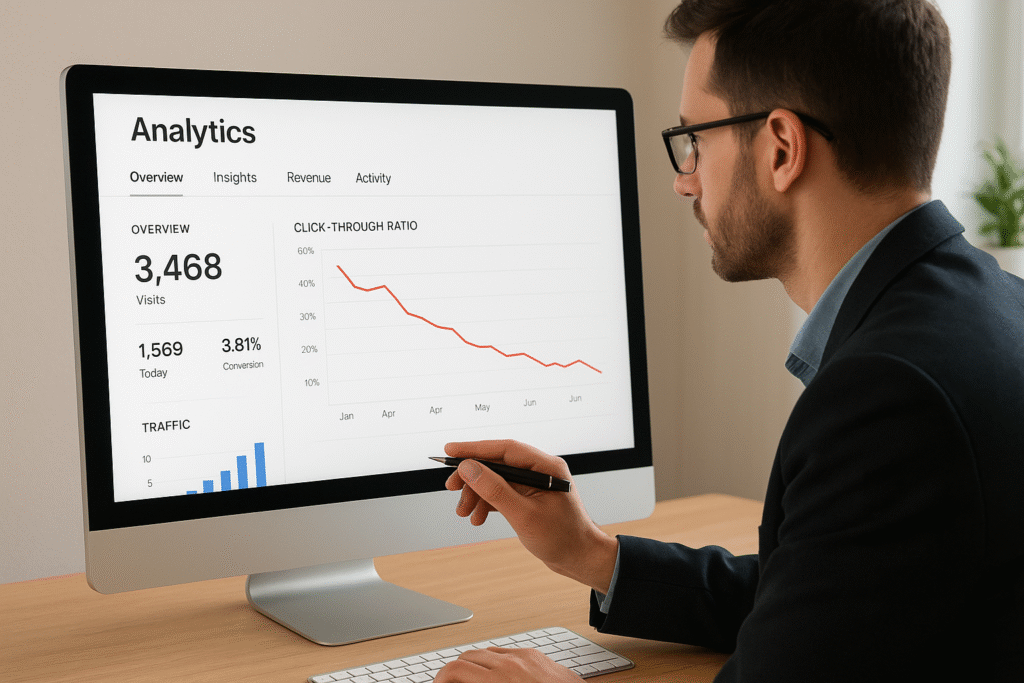
Zero-click searches occur less frequently than many people believe and can increase brand visibility. However, these search results may lead to reduced website traffic over time. Recent research indicates that most searches still result in users clicking through to websites.
These search features can make your brand appear more prominently in search results than normal rankings. This increased visibility introduces your business to entirely new audiences searching for related topics. Enhanced search presence often leads to more people searching for your brand name directly later.
Zero-click searches can still create negative effects on search engine optimization in certain situations. Ranking at the top of search results doesn’t always guarantee immediate traffic from those specific searches. Website owners must understand this dynamic when developing their content and keyword strategies.
You should evaluate whether keywords trigger special search result features before targeting them in campaigns. Understanding these features helps determine if pursuing specific keywords will actually benefit your website traffic. This evaluation process becomes crucial for making smart keyword selection decisions that drive real results.
Consider keywords that activate multiple search result features during your research and planning process. Knowledge panels often appear for certain types of searches and provide comprehensive information displays. These detailed information boxes give searchers complete answers without requiring them to visit any websites.
Ranking highly for keywords with knowledge panels rarely generates significant click-through traffic to websites. Users find all necessary information directly within the search results themselves without needing additional sources. Smart marketers focus on keywords with higher click-through potential instead of these zero-click opportunities.
Target keywords that encourage users to visit your website for more detailed information and resources. This strategy typically provides better returns on your time and marketing investment over the long term.
Different Categories of Zero-Click Search Features
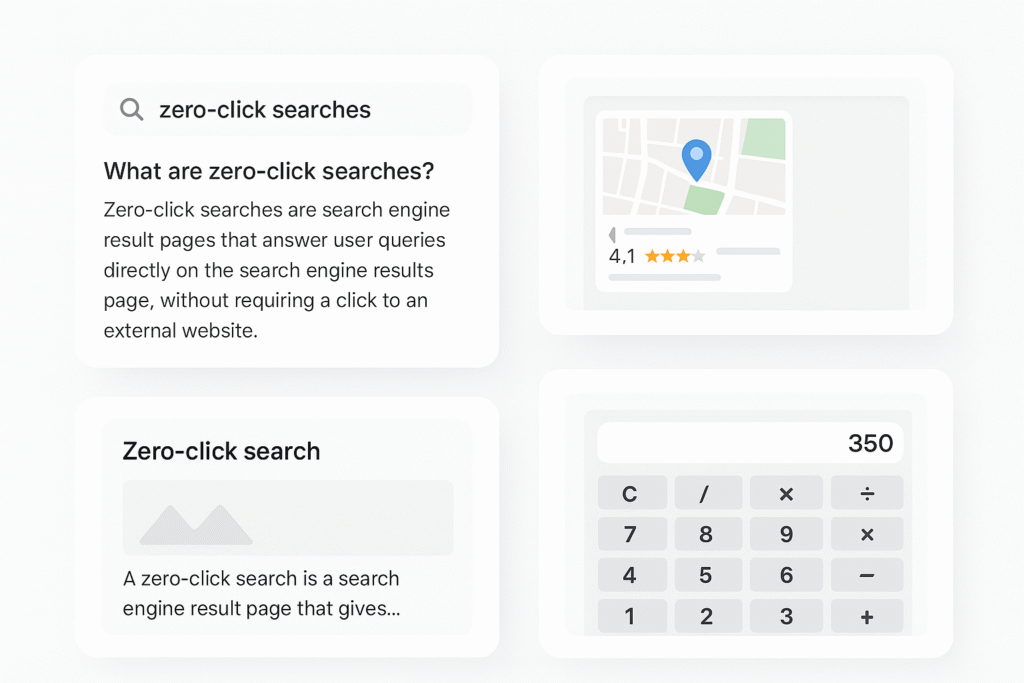
Search engines display various types of zero-click results that deliver immediate answers to user questions. These special search features eliminate the need for users to visit individual websites for basic information. Understanding these different result types helps website owners optimize their content strategies more effectively.
Quick Answer Boxes
Quick answer boxes appear at the top of search results to provide instant responses to queries. Search engines extract this information directly from relevant webpages and display the source title with URL. These prominent result displays give users immediate access to the most relevant information available online.
Answer boxes create zero-click experiences by presenting complete solutions directly within the search results page. Users often find everything they need without clicking through to the original website source. This format works particularly well for straightforward questions that require brief, factual responses from authoritative sources.
Some answer boxes include detailed step-by-step instructions or embedded video content within the search display. Users can access complete tutorials and visual guides without leaving the search results page entirely. This comprehensive approach satisfies user intent while keeping them engaged within the search environment longer.
Complex topics featured in answer boxes might actually encourage users to click through for additional details. When preview content sparks curiosity or raises follow-up questions, users often visit the source website. Smart content creators use answer boxes as appetizers that lead to deeper engagement on their sites.
Website owners can use specialized tools to identify which keywords trigger these special search result features. This research helps determine the best optimization strategies for different types of content and search queries.
Instant Answer Displays
Instant answer displays appear at the top of search results to provide quick responses to simple questions. These result boxes deliver direct answers without including clickable links to external websites. Search engines use this format when questions have straightforward, factual answers that don’t require additional context.
Keywords triggering these display features often result in zero-click search experiences for most users. The questions are typically direct and the answers are simple enough to satisfy user intent completely. Users rarely feel compelled to click on traditional search results when they find immediate solutions. This format works exceptionally well for basic factual queries that require minimal explanation or supporting information.
Artificial Intelligence Summary Boxes
Artificial intelligence summary boxes present comprehensive overviews at the top of search result pages nationwide. These summaries use advanced technology to combine information from multiple web sources into digestible explanations. While these displays include links to original information sources, the summaries often provide complete answers.
Most users find sufficient information within these AI-generated summaries without needing to visit additional websites. This comprehensive approach frequently leads to zero-click search behaviors among users seeking quick information. The technology creates concise explanations that address user queries while maintaining accuracy from multiple trusted sources.
Information Side Panels
Information side panels appear on the right side of search results when users search for specific entities. These panels display when people look for information about persons, places, organizations, or notable things. Search engines provide comprehensive summaries based on their understanding of the searched topic and related information.
These panels can include essential facts, relevant images, helpful links, and other important details about the subject. Search results featuring information panels may create zero-click experiences because they provide extensive reliable information immediately. Users often discover everything they need without visiting separate websites for additional research or verification. However, having an information panel can significantly increase visibility and establish greater authority in search results. This enhanced presence could potentially drive more targeted traffic to your website over time.
Local Business Map Results
Local business map results appear when users search for location-based services or nearby establishments. These search features display an interactive map alongside a list of relevant businesses that match the query. Search engines show this format automatically when detecting geographic intent in user searches.
These result displays typically include essential business information like operating hours, street addresses, and customer ratings. Users can quickly compare multiple local options without visiting individual business websites for basic details. The comprehensive information provided often eliminates the need for additional research or website visits.
Local map results frequently create zero-click search experiences because they deliver immediate and complete business information. Users find everything they need to make decisions directly within the search results display itself. This convenience factor makes local pack results particularly effective for quick decision-making about nearby services. The streamlined format helps users identify the best local options without spending time browsing multiple websites.
Related Questions Section
Related questions sections display lists of additional queries connected to the user’s original search term. These interactive features expand when clicked to reveal brief answers along with links to information sources. Search engines generate these question suggestions based on common user search patterns and related topics.
Search queries triggering related question boxes often result in zero-click experiences due to comprehensive information coverage. These sections provide both depth and breadth of information that addresses multiple aspects of user intent. Search engines continuously generate additional related questions each time users click on existing ones.
Users can typically find complete answers to their questions using this expandable feature without visiting external websites. The dynamic nature of these question sections keeps users engaged within the search results page longer. Appearing in related question answers can significantly boost brand awareness and visibility among potential customers. Multiple appearances in these sections create even greater exposure opportunities for businesses and content creators.

Strategies for Succeeding in Zero-Click Search Results
Zero-click searches don’t automatically create negative search engine optimization results for website owners. These search features might not remain zero-click experiences if you optimize your content strategically for them. Understanding how to work with these search formats can actually improve your overall visibility and traffic.
Smart optimization techniques can transform potential zero-click situations into valuable click-through opportunities for your business. This approach requires focusing on the right types of search features and keyword opportunities available.
Choose Keywords That Generate Clicks
Focus on keywords that trigger local business listings, featured snippets, and related question boxes rather than direct answers. These specific search features are more likely to generate clicks and boost brand awareness among users. Direct answer displays and knowledge panels typically provide complete information without encouraging additional website visits.
Pay careful attention to which search features appear for different keywords during your research and planning process. This analysis helps determine whether targeting specific keywords will provide worthwhile returns on your optimization efforts. Understanding search feature patterns allows you to make smarter decisions about content creation and keyword selection.
Keyword research tools often include columns showing which search features appear for different terms and phrases. These insights help you identify the most promising optimization opportunities before investing time in content creation. You can use advanced filtering options to include or exclude specific search features from your keyword lists.
Detailed keyword analysis tools provide comprehensive overviews of search features triggered by specific terms you’re considering. These tools often include snapshot views of actual search result pages from recent database collection dates. This visual information helps you understand exactly what users see when searching for your target keywords. Such detailed analysis ensures you make informed decisions about which keywords deserve your optimization attention and resources.
Optimize Your Content for Featured Answer Boxes
Achieving featured answer box rankings makes your search results more prominent and pushes competitor listings lower. This enhanced visibility may significantly increase the likelihood of users clicking through to your website. Featured placement also indicates that search engines view your content as credible and trustworthy among available sources.
Target featured answer boxes by using clear headings that directly address the questions you’re answering in content. Provide concise and well-structured answers that use similar formatting to what currently appears in existing snippets. Study the current featured content format and mirror that approach while improving upon the information quality.
You can also target different types of featured snippets by providing the specific content format search engines currently display. Include properly formatted tables in your content when search engines show table-based featured snippets for your keywords. This strategic approach helps search engines recognize your content as the best replacement option available.
When search engines display list-based snippets, incorporate well-structured lists into your articles and blog posts accordingly. Proper formatting signals to search algorithms that your content provides the information users need most. This alignment between user intent and content structure increases your chances of earning featured placement significantly.
Tracking your featured snippet rankings becomes essential for measuring success and identifying new optimization opportunities over time. Specialized tracking tools help monitor which pages currently earn featured snippet rankings for your target keywords. These tools also reveal keywords that trigger featured snippets where your content doesn’t yet appear. Regular monitoring allows you to spot trends and adjust your content strategy based on actual performance data. Setting up comprehensive tracking projects enables you to measure progress and discover untapped featured snippet opportunities systematically.
Develop Content That Addresses User Search Intent
Creating content that directly addresses user search intent with clear answers can improve your featured snippet chances. This strategic approach helps your content appear in related question boxes and increases long-term visibility. Understanding the reason behind user searches allows you to craft more targeted and valuable content experiences.
Addressing search intent effectively can boost your website traffic and establish greater authority within your industry niche.
Start by identifying related questions that people commonly ask about your target keyword and topic area. Keyword research tools make this process simple by showing question-based search terms containing your primary keyword. These question variations reveal exactly what information users seek when searching for topics related to your content.
Analyze search result pages for your target keywords to identify existing question boxes and featured content. Take note of the specific questions that appear in these special search result features currently. This research provides valuable insights into what search engines consider most relevant for user queries.
Create comprehensive FAQ sections on your webpages that directly address the questions you discovered during research. Structure these sections using clear headings that match the exact phrasing people use in their searches. Provide short and direct answers for each question to maximize your chances of earning featured placements.
Well-organized FAQ sections signal to search engines that your content provides comprehensive coverage of user questions. This approach increases the likelihood that your answers will appear in special search result features. Clear formatting and concise responses make it easier for search algorithms to extract and display your information. Users appreciate finding complete answers in one location, which can lead to increased engagement and return visits to your website.
Make Your Content Easy to Read
Content readability improvements help both users and search engines understand your information more effectively and efficiently. Enhanced readability increases your chances of appearing in various search results and special search result features. Search engines favor content that users can easily consume and comprehend without struggling through complex language.
This optimization approach particularly benefits content targeting search features commonly associated with zero-click search experiences nationwide.
Break your content into short sentences and concise paragraphs that flow naturally from one idea to another. Use descriptive subheadings, organized bullet points, and relevant visual elements throughout your articles and blog posts. Write using active voice instead of passive voice to create more engaging and direct communication.
Active voice makes your content more dynamic and easier for readers to follow and understand completely. This writing style also helps search engines process and categorize your information more accurately for relevant queries.
Specialized writing tools can measure your content’s readability level and provide actionable improvement suggestions for optimization. These tools analyze your text and provide scores indicating how easy your content is to read. Advanced writing assistants highlight specific words or sentences that you could rewrite to enhance overall readability.
These recommendations help you identify areas where complex language might be confusing readers or search engines. Making suggested changes often results in better user engagement and improved search engine performance over time. Regular readability analysis ensures your content remains accessible to your target audience while maintaining professional quality. Consistent readability improvements can lead to higher search rankings and increased user satisfaction with your website content.
Add Structured Data Code to Your Website
Structured data code can be added to your webpages to help search engines understand your content better. This specialized markup helps you rank for more relevant search queries and improves webpage appearance in results. Search engines use this additional information to create richer, more informative search result displays for users.
Enhanced search result displays often lead to higher click-through rates and improved user engagement with your content.
Product pages with structured data markup clearly stand out compared to standard search result listings without enhancement. The visual difference between enhanced and basic search results is immediately noticeable to users browsing results. Enhanced listings typically include additional information like ratings, prices, availability, and other relevant product details directly visible.
Basic search results without structured data appear plain and provide minimal information beyond titles and descriptions. This contrast makes enhanced listings more appealing and informative for users making quick browsing decisions online.
Multiple types of structured data markup exist for different content categories, but only implement ones relevant to your content. Adding irrelevant markup can confuse search engines and potentially harm your search result performance over time. Focus on markup types that accurately represent the specific content and information you provide on each webpage.
Always test your structured data implementation to ensure it works correctly and displays properly in search results. Specialized testing tools can evaluate individual pages for proper structured data implementation and identify potential issues. Comprehensive website audit tools can test your entire site for structured data problems and optimization opportunities. Regular testing ensures your markup continues working correctly as search engines update their requirements and algorithms. Proper implementation and testing help maximize the benefits of enhanced search result displays for your website.
Optimize for Local Search Results
Local search optimization focuses on improving your online presence to drive greater visibility and targeted traffic. This strategy can help you secure information panels, local business listings, and even featured snippets for location-based searches. Effective local optimization creates multiple opportunities for your business to appear prominently in search results.
Local search success often translates into increased foot traffic and phone calls from nearby customers actively seeking services.
Begin by optimizing your business profile listings with complete information including location, operating hours, contact details, and photos. Ensure your business name, address, and phone number details remain accurate across all online listings and directories. Search engines use listing information consistency as a key factor when evaluating your business credibility and trustworthiness.
Inconsistent information across different platforms can confuse search engines and potentially harm your local search rankings significantly. Maintaining accuracy across all platforms helps establish authority and reliability in local search results over time.
Specialized listing management tools can help you check your local listings and distribute accurate information efficiently. These tools provide comprehensive reports showing your current listings, listings that need corrections, and average customer ratings. You can identify specific errors like incorrect addresses, wrong phone numbers, and outdated business hours across platforms.
Advanced listing management services can automatically distribute your information to numerous authoritative directories and listing sites. Automated distribution helps maintain consistent business information across the web without requiring manual updates everywhere. This consistency ensures potential customers always find accurate information about your business regardless of where they discover you. Regular monitoring and updates keep your local search presence strong and reliable for ongoing success.
Track Results and Adjust Your Approach
Success in zero-click search environments requires gaining visibility in all the most strategic and valuable places. Specialized tracking tools can help you monitor your keyword rankings and identify which terms trigger special features. These insights reveal exactly which search result features appear for your target keywords and content.
Understanding which features activate for your keywords enables you to make informed optimization decisions moving forward effectively. Regular performance monitoring helps you spot trends and opportunities that might otherwise go unnoticed in your strategy.
Apply the optimization techniques mentioned above to adapt your search engine optimization strategy and improve overall performance. Continuous monitoring allows you to see which tactics work best for your specific content and target audience. Data-driven adjustments ensure your optimization efforts focus on the most impactful opportunities available to your website.
Performance tracking reveals whether your content successfully earns featured snippets, local listings, or other enhanced search displays. This information helps you understand which optimization approaches deliver the best results for your particular industry. Regular analysis enables you to refine your strategy based on actual performance data rather than assumptions. Successful zero-click optimization requires ongoing attention and strategic adjustments based on measurable results and changing search behaviors.
Use analytics platforms to monitor your website’s performance and track how zero-click search features affect your overall traffic patterns. Professional SEO consultants can help you navigate these complex optimization challenges and develop comprehensive strategies. Working with experienced SEO agencies ensures you stay ahead of search engine algorithm changes and emerging trends.
Selecting the right company for SEO becomes crucial when dealing with zero-click optimization challenges that require specialized expertise. Consider consulting academic research on search behavior patterns to better understand how users interact with different search result formats. Stay informed about search industry developments and best practices from multiple search engines beyond just the dominant platforms.
Monitor search trends to identify emerging opportunities in your industry and adapt your content accordingly. Research from AI institutions can provide insights into how machine learning affects search result generation and ranking algorithms.
Partner with the best SEO providers who understand both traditional optimization and emerging zero-click optimization strategies. Professional web design services can ensure your website structure supports both traditional and zero-click search optimization goals.
Complement your organic search efforts with Google Ads campaigns that target keywords where zero-click features limit organic visibility. Stay updated on advertising developments that affect how paid and organic results interact in search engine results pages.
For businesses seeking comprehensive digital marketing support, Eclipse Marketing offers integrated strategies that address both traditional SEO and zero-click optimization challenges. Contact professional marketers to develop customized approaches that maximize your visibility across all search result formats.
Conclusion
Zero-click searches represent a fundamental shift in how users consume information online, but they present both opportunities and challenges for website owners. Smart optimization strategies can transform these potentially traffic-reducing features into powerful visibility and brand awareness tools. Focus on targeting keywords that trigger local listings, featured snippets, and related question boxes while creating high-quality, readable content that directly addresses user search intent.
Success in the zero-click landscape requires continuous monitoring and strategic adaptation based on actual performance data. Implement structured data markup, optimize your local search presence, and regularly track which keywords trigger special search features for your content. By understanding these search behaviors and optimizing accordingly, you can maintain strong search visibility while building long-term brand recognition that drives future traffic growth.
FAQs
How significant are zero-click searches in today’s digital landscape?
Zero-click searches have become the dominant search behavior globally, with most users finding answers directly on search results pages rather than clicking through.
How long does it typically take to see results from zero-click optimization efforts?
Most zero-click optimization campaigns show meaningful improvements within 8-12 weeks, though comprehensive SEO results typically require 3-6 months of consistent effort.
Do mobile users behave differently than desktop users with zero-click searches?
Mobile users demonstrate significantly higher zero-click behavior compared to desktop users, reflecting their preference for immediate answers and quick information consumption.
Can small businesses effectively compete with large companies for zero-click features?
Small businesses can successfully compete by focusing on local SEO, targeting long-tail keywords, and creating well-structured content that directly answers user questions.
How do voice searches relate to zero-click search behavior?
Voice assistants frequently pull answers from featured snippets without generating clicks, though current statistics don’t fully account for voice-answered searches through smart devices.

Mike has over 5 years of experience helping clients improve their business visibility on Google. He combines his love for teaching with his entrepreneurial spirit to develop innovative marketing strategies. Inspired by the big AI wave of 2023, Mike now focuses on staying updated with the latest AI tools and techniques. He is committed to using these advancements to deliver great results for his clients, keeping them ahead in the competitive online market.