
What Are Google Core Updates And Why Do They Matter For SEO?
Google core updates are major algorithmic changes to the search engine’s ranking system that roll out every two to three months and impact 5-10% of all search queries. These updates fundamentally alter how Google evaluates and ranks web pages, making them critical for anyone managing a website’s search visibility.
Core updates matter for SEO because they can dramatically shift your website’s search rankings, either positively or negatively, within weeks. Unlike the 9-10 minor algorithm adjustments Google deploys daily, core updates deliver the most substantial impact on organic search performance. A single core update can elevate previously low-ranking pages to top positions or demote high-performing content, directly affecting your website’s traffic, visibility, and business outcomes.
Understanding core updates is essential for three key reasons: First, they can invalidate existing SEO strategies by changing which ranking factors Google prioritizes. Second, certain updates introduce penalties targeting specific practices like thin content or manipulative link schemes. Third, these updates sometimes restructure Google’s search results pages themselves, adding or removing features like featured snippets and Knowledge Graph panels.
Named updates like Panda, Penguin, BERT, and RankBrain have each transformed the SEO landscape, rewarding quality content while penalizing manipulative tactics. Whether you’re a website owner, digital marketer, or SEO professional, knowing how core updates function and how to prepare for them determines your long-term search success.
This guide explains what Google core updates are, how they differ from minor algorithm changes, their impact on SEO strategy, how to detect them, and proven methods to protect your website from negative ranking impacts.
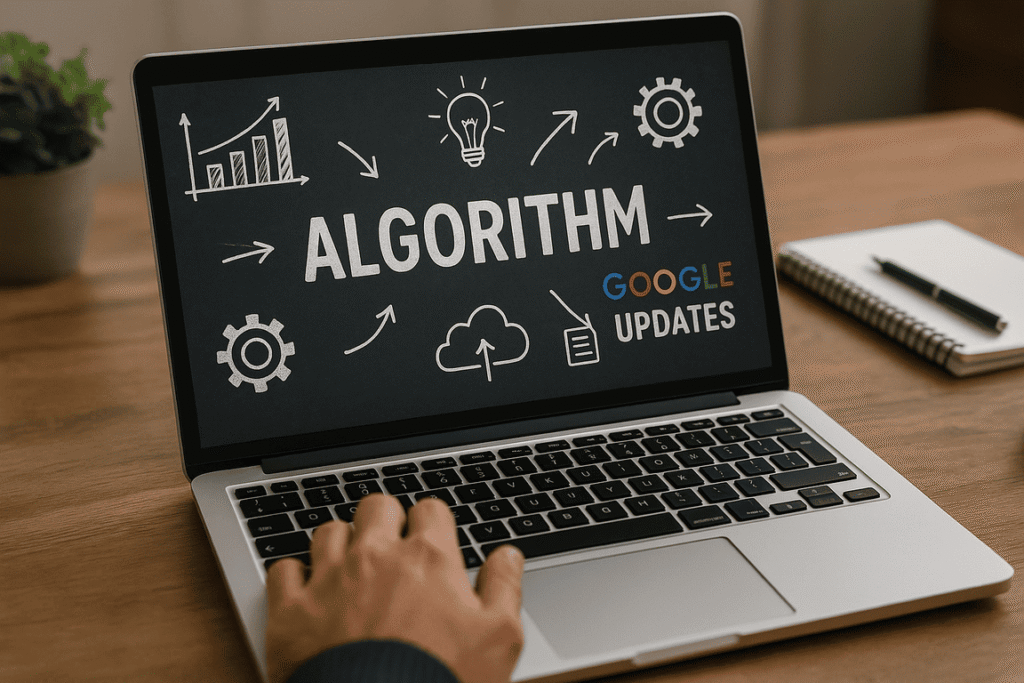
Understanding Google’s Core Algorithm Updates
Google’s core updates represent major modifications to the search engine’s ranking system that impact extensive portions of its indexed content. These substantial algorithm adjustments typically roll out approximately every two to three months. The primary purpose behind core updates is to enhance both the quality and accuracy of search engine results by restructuring how indexed pages rank in search outcomes.
Every core update modifies the underlying criteria Google uses to evaluate and position web pages. Pages that previously held top positions for specific search terms may experience significant drops in rankings after an update. On the flip side, pages that formerly occupied lower ranking positions for their targeted keywords can see dramatic improvements in visibility once the update completes its deployment.
Google has released several major core updates that have transformed the search landscape, including:
- Penguin
- Panda
- Fred
- Hummingbird
- Pigeon
- BERT
- Rankbrain
- Medic
- Possum
- Mobilegeddon
- Freshness
Understanding the Difference: Core Updates vs. Minor Algorithm Adjustments
Beyond the major core updates, Google continuously implements minor algorithmic adjustments to its ranking system. These smaller updates share the same objective as their larger counterparts, enhancing search result quality and relevance. However, their distinguishing factor lies in their limited scope, impacting a smaller subset of indexed pages across the web.
When examining the reach of these updates, the contrast becomes clear. Core updates typically influence between 5 percent and 10 percent of all search queries, while minor adjustments touch only 0.1 percent to 1 percent of searches, according to Search Engine Land. The majority of these smaller tweaks operate so subtly that webmasters rarely detect their presence.
The frequency of these updates varies significantly. Google’s engineers and search specialists deploy minor adjustments on a daily schedule, making them far more routine than their core counterparts. Core updates, conversely, require months of advance planning and demand several weeks to complete their full deployment across Google’s infrastructure.

How Core Updates Transform Your SEO Strategy
Google’s core updates deliver significant consequences for search engine optimization efforts. The foundation of effective Google SEO revolves around optimizing your site and its digital footprint to align with Google’s ranking mechanisms. Each time Google launches a core update, these ranking mechanisms undergo transformation.
Your investment in website optimization, whether time, effort, or budget, risks becoming obsolete when a core update deploys. Consider this scenario: a core update might strip away the benefits of a ranking factor your site has been leveraging. Once that ranking factor loses its influence, expect your search positions to decline.
Beyond rankings drops, core updates can trigger penalties that crush your site’s visibility. Take the Panda update as a prime example, it automatically penalized sites featuring insufficient content. Before Panda’s arrival, site owners achieved high rankings despite publishing minimal content. Panda revolutionized this landscape by targeting and demoting such thin-content websites.
Certain core updates go beyond rankings adjustments, they reshape how Google’s search engine results pages (SERPs) function. Google leverages these updates to introduce, eliminate, or alter non-paid features within SERPs. These features encompass elements like People Also Ask (PAA) boxes, featured snippets, and Knowledge Graph displays.
Spotting Core Algorithm Updates
Google usually makes public announcements about core updates prior to their deployment since these updates impact a larger volume of indexed pages compared to smaller algorithm adjustments. To stay informed, head over to Google’s Webmaster Central Blog at webmasters.googleblog.com, where you’ll discover current information regarding Google’s algorithm changes and core update rollouts. Sign up for email notifications by submitting your email address in the newsletter subscription field located at the bottom right sidebar. Additionally, certain platforms offer “Weather Reports” that track fluctuation activity within Google’s search results using tools like Google Analytics. Beyond the Webmaster Central Blog, track upcoming core updates by monitoring Google’s official search liaison Twitter handle. Danny Sullivan currently serves as Google’s search liaison. Although Sullivan posts from his personal Twitter profile, he utilizes the @searchliaison account specifically for broadcasting core update announcements and other official Google updates, as reported by Search Engine Journal.

Preparing Your Site for Google Core Algorithm Updates
Multiple strategies exist to ready your website for core algorithm updates. When Google signals an upcoming core update, invest time in understanding its details. Google typically discloses the objectives behind each core update during its announcement phase.
These announcements appear either through Google’s Webmaster Central Blog or via its search liaison Twitter profile, where Google clarifies which website categories and page types will experience impact from the new core update, along with the anticipated magnitude of these changes. Armed with these insights, you can implement strategic adjustments to your on-page SEO framework, ensuring proper alignment with the forthcoming core update.
While Google publicizes the majority of core updates, some roll out without prior announcement. This means relying solely on official announcements won’t fully protect your website from potential impacts. Monitoring your site’s performance through Google Search Console becomes essential for detecting unexpected changes.
Core updates exist to enhance both quality and relevance across Google’s search results, making content optimization your primary focus rather than external promotional tactics. Building backlinks through off-page SEO offers value by establishing your website’s authority as a recognized online entity. Nonetheless, content remains the fundamental driver of your website’s worth. When you elevate your website’s content quality, Google’s algorithm identifies your site as valuable and pertinent.
Steering clear of black-hat and manipulative SEO techniques serves as another protective measure for core updates. Numerous core updates specifically identify and downrank websites employing manipulative SEO tactics. From keyword stuffing to link spam schemes and purchased links, Google frequently launches core updates to penalize sites using these methods.
Core updates represent an essential element within Google’s ranking framework. The tech giant has evolved beyond its original ranking formulas from years past. With thousands of algorithm modifications implemented throughout its history, core updates stand out as the most influential changes. To safeguard your website against core updates, monitor Google’s Webmaster Central blog and search liaison Twitter account consistently, while simultaneously enhancing your site’s content quality through AI-powered SEO strategies.
Conclusion
Google’s core updates represent one of the most powerful forces shaping the digital marketing landscape. These algorithmic transformations directly influence your website’s visibility, traffic potential, and ultimately, your business success in organic search. Understanding their mechanics isn’t optional, it’s fundamental to maintaining competitive search positions.
The key to thriving amid these updates lies in building a well-designed website that prioritizes genuine value over algorithmic manipulation. Focus your energy on creating exceptional content that serves your audience’s needs, maintain ethical SEO practices, and stay vigilant about Google’s official communications. While core updates may initially seem disruptive, they ultimately reward sites that deliver quality experiences to users.
Remember that core updates aren’t your adversary, they’re Google’s mechanism for elevating superior content and demoting manipulative tactics. By aligning your SEO strategy with Google’s quality guidelines and committing to continuous content improvement, you’ll position your website to weather these updates successfully. Whether you’re running an ecommerce store or a local business, the websites that flourish long-term are those that adapt, evolve, and remain dedicated to serving their audience above all else.
Stay proactive, remain informed, and let quality guide your optimization decisions. Your website’s resilience against future core updates depends on the foundation you build today. For businesses seeking professional guidance, partnering with experienced SEO agencies in Las Vegas or Denver can provide the expertise needed to navigate these algorithmic shifts successfully.
FAQs
How frequently does Google release core updates?
Google typically deploys major core updates every two to three months, though this timeline isn’t fixed or guaranteed. Some periods may see more frequent updates, while others might experience longer gaps between releases. Beyond these major updates, Google implements thousands of minor algorithmic adjustments daily, approximately nine to 10 per day according to industry research from Statista. However, these smaller changes pale in comparison to the sweeping impact of core updates. To track official announcements, monitor Google’s Webmaster Central Blog and the @searchliaison Twitter account for real-time notifications.
Will my website rankings inevitably decline after every core update?
No, core updates don’t automatically trigger ranking drops for all websites. The impact varies dramatically depending on your site’s current optimization state and the specific focus of each update. Some websites experience ranking improvements, while others see declines or maintain stable positions. If your site follows Google’s quality guidelines, delivers valuable content, and avoids manipulative tactics, you may actually benefit from core updates. Rankings typically drop when sites have quality issues, thin content, manipulative SEO practices, or misalignment with what the specific update prioritizes. View core updates as opportunities rather than threats, they reward excellence. Leveraging ChatGPT for SEO can help you create higher-quality content that aligns with Google’s evolving standards.
What’s the typical duration for a core update to complete its rollout?
Core updates require several weeks to fully deploy across Google’s entire infrastructure. Unlike minor tweaks that activate almost instantaneously, core updates implement gradually due to their complexity and extensive scope. During this rollout period, you might observe fluctuating rankings as the update progressively affects different portions of Google’s index, as documented by Similar Web’s research. These ranking oscillations are normal and typically stabilize once the update completes. Google usually announces when a core update begins and confirms when it finishes rolling out, giving webmasters transparency about the active deployment window.
Should I immediately modify my website after noticing a core update impact?
Resist the urge to make hasty, reactionary changes immediately after a core update. Google explicitly advises against quick fixes, stating there’s “nothing wrong” with pages that experience ranking declines, they’re simply being reassessed against other content. Instead, wait for the update to complete its full rollout before evaluating your site’s performance. Once rankings stabilize, conduct a comprehensive content audit to identify improvement opportunities. Focus on enhancing content quality, improving user experience, ensuring information accuracy, and strengthening expertise signals. Knee-jerk reactions often create more problems than solutions, so approach recovery strategically and methodically. Working with a trusted marketing partner can help you develop a measured response strategy.
Can websites recover from negative core update impacts, and how long does recovery take?
Absolutely, recovery from core update penalties is entirely possible and happens regularly. Recovery timelines vary significantly based on the severity of issues and the quality of your corrective actions. Some sites bounce back within the next core update cycle (two to three months), while others require multiple update cycles to regain lost ground, according to The Drum’s industry analysis. The recovery process demands genuine improvements to content quality, user experience, and SEO practices rather than superficial changes. Google’s algorithm must recognize your site’s elevated quality during subsequent core updates. Consider supplementing organic efforts with Google Ads campaigns to maintain visibility during recovery. Document your improvements, maintain consistency in quality standards, and remain patient, legitimate recovery takes time but delivers sustainable results.

Mike has over 5 years of experience helping clients improve their business visibility on Google. He combines his love for teaching with his entrepreneurial spirit to develop innovative marketing strategies. Inspired by the big AI wave of 2023, Mike now focuses on staying updated with the latest AI tools and techniques. He is committed to using these advancements to deliver great results for his clients, keeping them ahead in the competitive online market.