
Single-Page Vs. Multi-Page Web Design
Single-page web design displays all content on one continuous page with scroll navigation, while multi-page web design organizes content across separate pages with traditional navigation menus. The choice between these approaches depends on three key factors: business objectives, content volume, and SEO requirements.
Single-page web designs work best for focused goals like lead generation, product promotion, or portfolio showcases. They excel at conversion optimization by eliminating navigation distractions and providing streamlined user journeys. Multi-page web designs suit businesses with extensive content, multiple products, or diverse services requiring organized presentation.
Content volume significantly impacts this decision since heavy media files can slow single-page performance. Multi-page websites handle large amounts of content more efficiently through strategic organization. For SEO purposes, multi-page web designs offer superior keyword targeting opportunities across different pages, while single-page sites limit optimization to one primary keyword and related terms.
Both approaches deliver exceptional results when properly matched to specific business needs and user requirements.

Choosing Between Single-Page and Multi-Page Websites
Multiple factors determine whether your project requires a single-page or multi-page website approach. We’ve identified three main factors that influence most projects when making this important decision. Understanding these factors helps you choose the right approach for your specific needs and goals. Working with our experienced team can help streamline this decision-making process effectively.
Business objectives: what specific outcomes do you want to achieve? Content volume: how much information do you need to present to visitors? Search optimization: what are your digital marketing and visibility goals?
Business Objectives
Most people and businesses build websites with specific intentions or purposes in mind clearly defined. Single-page web design works perfectly when you have one focused business objective like generating leads or downloads, especially for businesses in competitive markets like Las Vegas.
- Ideal for generating leads through focused landing pages
- Perfect for promoting app downloads with clear call-to-action
- Excellent for single product or service promotion to targeted audiences
- Works well for event registration and ticket sales
- Effective for newsletter signups and email list building
- Great for consultation bookings and contact form submissions
- Suitable for brand awareness campaigns with simple messaging
Creating multiple pages works best when you have several calls-to-action or promote different products and services. This separation lets you develop targeted campaigns for specific audiences and direct them toward single actions. Having multiple competing actions on one page often creates confusion and reduces overall conversion rates. Multi-page web designs allow businesses to create dedicated pages for each product or service offering. Digital marketing agencies understand this approach helps maintain focus while accommodating diverse business goals and customer needs effectively.
Content Volume
The amount and type of content you plan to display significantly impacts your web design decision. Multiple videos can increase page file sizes dramatically, which negatively affects loading performance and user experience.
- Multiple videos increase page file sizes and affect loading performance dramatically
- Embedded YouTube videos create additional server requests that slow loading times
- Images reduce page performance especially on mobile devices and slower connections
- Heavy media content requires careful optimization for all device types
- Large amounts of text content work better spread across multiple pages
- Complex product catalogs need organized categories and separate pages
- Extensive blog content benefits from individual post pages and archives
- Document libraries and resources require structured multi-page organization
Direct Marketing Association provides guidelines on content organization that can help inform these decisions. Designers must carefully consider how different content types will affect overall user experience and website accessibility. Heavy content loads require careful optimization to maintain good performance across all devices and connection speeds. Strategic content organization helps ensure visitors can access information efficiently regardless of their device or internet connection quality.
Search Engine Optimization
SEO serves as another critical deciding factor when choosing between single-page and multi-page web design approaches. Single-page web designs work adequately when you only need to target one main keyword and related terms.
- Single-page web designs target one main keyword and closely related terms effectively
- Multi-page web designs offer comprehensive SEO strategies targeting multiple keywords and topics
- Each page can focus on specific search terms and user intent
- Blog posts and articles create opportunities for long-tail keyword targeting
- Local businesses benefit from separate pages for different service areas
- E-commerce sites need individual product pages for specific search queries
- Content hubs allow targeting various topics within your industry expertise
- Multiple pages increase chances of ranking for diverse search terms
However, multi-page web designs offer better options for comprehensive SEO strategies that target multiple keywords and topics. This approach allows businesses to capture traffic from diverse search queries and expand their online visibility. Well-structured multi-page websites can dominate search results across multiple relevant keywords and topics. The ability to create targeted content for specific search queries significantly improves overall organic traffic potential. Google’s search guidelines emphasize the importance of quality content organization across multiple pages.
7 Essential Tips for Making Web Design Decisions
- Start with a content-focused strategy by identifying what information users actually need and value most. Design your website interface based on this user research rather than personal preferences.
- Test whether your content fits appropriately within a single-page experience before making final web design decisions. If you struggle to organize everything effectively on one page, consider switching to multi-page web design. Many Denver SEO agencies recommend testing content organization before finalizing design decisions.
- Choose multi-page web design when SEO ranks as a priority in your overall marketing strategy. Multi-page websites offer better opportunities to target diverse keywords and capture traffic from various searches.
- Use single-page sites or dedicated landing pages for paid advertising campaigns to maximize conversion rates effectively. Removing distractions and navigation elements prevents users from wandering away from your primary goal.
- Design web pages that are simple to navigate and understand for all types of visitors. Create clear visual hierarchy systems for every page and plan logical information architecture for multi-page sites.
- Follow established web accessibility standards to ensure your website works well for users with different abilities. These guidelines help create inclusive experiences that serve broader audiences and improve overall usability.
- Limit each page to one primary call-to-action to avoid confusing visitors about what action to take. Multiple competing CTAs on single pages often reduce conversion rates and create decision paralysis for users.
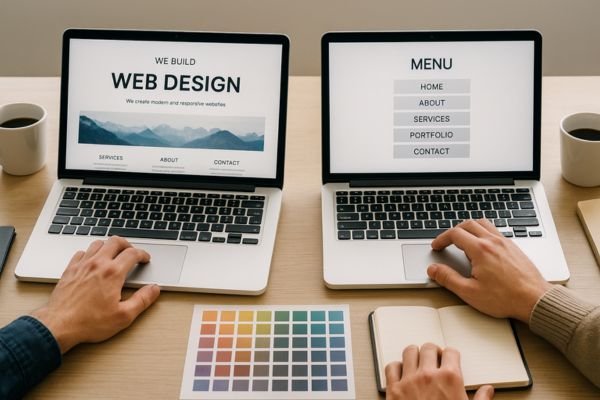
Single-Page vs Multi-Page Websites: Complete Feature Comparison
Choosing between single-page and multi-page web designs represents one of the most important decisions for any business or project. Each approach offers distinct advantages and serves different purposes depending on your specific goals and content requirements. Single-page websites keep all content on one continuous page that users navigate through scrolling, while multi-page web designs organize information across separate pages with traditional navigation menus. Understanding the key differences between these two approaches helps you make informed decisions that align with your business objectives.
Both website types have proven successful for different industries and use cases, but their effectiveness depends heavily on proper implementation and matching the right approach to your needs. Single-page web designs excel at focused messaging and conversion optimization, making them ideal for landing pages and portfolio websites. Multi-page web designs offer superior content organization and SEO opportunities, perfect for businesses with diverse products or extensive information to share. This comprehensive comparison examines the applications, benefits, and limitations of each approach to guide your decision-making process.
Understanding Single-Page Websites
A single-page website contains all its content and forms on just one page, typically the homepage. Navigation links direct users to different sections of the same page instead of loading separate pages. This approach creates a streamlined browsing experience that keeps visitors engaged on one continuous page.
Common Applications for Single-Page Websites
Designers frequently choose single-page web designs for landing pages that focus on specific conversion goals. Keeping users on one page removes distractions and helps increase leads and conversions effectively.
- Perfect for websites with limited content like portfolios and small businesses
- Ideal for single-product stores that focus on one main offering
- Excellent for brick-and-mortar businesses needing simple, direct communication
- Great for promotional campaigns with focused messaging
- Suitable for event websites with specific dates and information
- Works well for service-based businesses with straightforward offerings
Google Ads commerce insights show that single-page designs often perform better for specific campaign types. These websites serve businesses that want to present information quickly without complex navigation structures. Single-page web designs eliminate the need for users to click through multiple pages to find information. This streamlined approach keeps visitors engaged and focused on the primary message or goal. The format works particularly well when businesses have clear, concise information to share with their audience. Small business owners often prefer this approach for its simplicity and cost-effectiveness.
Advantages of Single-Page Websites
Single-page web designs let users consume all website content simply by scrolling down the page. This scrolling functionality works especially well for mobile users where main navigation often stays hidden.
- Users access everything through natural scrolling motions on mobile devices
- Easier to design because designers avoid complex information architecture challenges
- Simpler development without requiring advanced front-end frameworks or complex tools
- Basic HTML, CSS, and JavaScript handle most single-page requirements effectively
- Reduced overall website size leads to faster loading times
- Excel at driving users toward specific actions like contacting or signing up
- Focused nature eliminates competing calls-to-action that distract users
- One entry point allows complete control over user experience
This control helps present a consistent brand narrative that guides visitors through intended messaging. Every visitor receives the same carefully crafted experience from start to finish. The simplified approach often leads to cleaner, more focused designs that serve specific business objectives. Marketing professionals recognize the value of controlled user experiences for conversion optimization, particularly when working with New Brunswick area businesses.
Drawbacks of Single-Page Websites
Single-page websites require careful planning and aren’t as simple as they might appear initially. Designers face challenges prioritizing and organizing content to serve both users and business objectives effectively.
- Creating logical flow that satisfies different user needs takes considerable planning
- Heavy media usage may slow loading times significantly without proper optimization
- Images and videos create performance bottlenecks if not optimized for web delivery
- Limited SEO strategies and keyword targeting opportunities compared to multi-page sites
- Restricted to primary keywords and related terms for search optimization
- Harder to target diverse search queries and topics effectively
- Limit ability to expand content or scale brand without major redesigns
- Growing businesses often outgrow single-page formats when adding services
SEO optimization services frequently address these scalability challenges through strategic planning. This restriction can force expensive redesigns when businesses need to accommodate additional content or functionality. Engineers can address performance issues using lazy loading and other optimization techniques. However, the fundamental limitations around content expansion and SEO targeting remain significant considerations for growing businesses. Search engine optimization experts frequently encounter these challenges when working with single-page designs.
Understanding Multi-Page Websites
Multi-page websites contain multiple pages with navigation systems that help users move throughout the site. Most businesses choose multi-page web designs because they can organize content, products, and topics into separate sections. This structure allows companies to present information in logical, easy-to-find categories that serve different user needs. Multiple pages create numerous entry points for users to discover your website through search engines and social media. News publishers like the BBC have thousands of pages where visitors can enter the site. Each page serves as a potential starting point for new visitors exploring your content.
Common Applications for Multi-Page Websites
Most websites today use multi-page layouts, particularly online stores with multiple products and content-heavy sites. Blogs and news websites rely on different pages to organize categories and separate various types of content.
- Online stores with multiple products benefit from organized product categories
- Content-heavy sites like blogs need separate pages for different topics
- News websites use different pages to handle specific news categories
- Corporate websites separate services, about pages, and contact information
- Educational sites organize courses, resources, and student information separately
- E-commerce platforms showcase different product lines on dedicated pages
- Portfolio websites display various project types on individual pages
This separation helps users find exactly what they’re looking for without getting overwhelmed by information. The New York Times demonstrates excellent multi-page layout with header navigation providing quick access to popular topics. The homepage focuses on the day’s biggest stories while other pages handle specific news categories. The footer includes additional links to news sections, policies, contacts, and other useful information for visitors. Content marketing strategies benefit significantly from this organized approach.
Advantages of Multi-Page Websites
Multi-page sites let users navigate directly to content they value most instead of scrolling endlessly. This targeted navigation improves user experience by reducing time spent searching for specific information.
- Users can bookmark specific pages and return without starting from homepage
- Significant SEO advantages allow targeting various keywords and topics effectively
- Websites with blogs benefit since each post targets different search terms
- Strategy helps businesses rank for multiple keywords and attract diverse audiences
- Designers can easily add new pages as businesses grow and evolve
- Scalability allows introducing new products without major redesigns
- Flexible structure accommodates business growth and changing content needs over time
- Multiple entry points increase chances of users finding relevant content
This approach helps businesses expand their online presence and capture traffic from various search queries. The ability to create targeted pages for specific audiences improves overall marketing effectiveness. Multi-page websites provide better opportunities for comprehensive digital marketing strategies that serve different customer segments. Google Analytics data often shows superior performance metrics for well-structured multi-page websites. Search optimization experts leverage these advantages to create comprehensive digital strategies.
Drawbacks of Multi-Page Websites
Large websites need careful planning for information architecture and content discoverability to function effectively. This complex planning process increases both development costs and time needed to launch the website.
- Poor organization leads to user frustration and difficulty finding important information
- Larger file sizes and more server requests increase hosting expenses significantly
- Each additional page requires server resources adding to ongoing operational costs
- Technical requirements become expensive for websites with hundreds of pages
- Updating web design takes longer, especially when implementing responsive web design changes
- Changes must be applied consistently across multiple pages for brand coherence
- Process requires more time and coordination compared to single-page updates
- Multiple entry points require calls-to-action throughout the entire website strategically
Tools and techniques exist to help designers and engineers overcome these multi-page website challenges successfully. However, teams must address these issues proactively to prevent usability problems that could harm user experience. Proper planning and execution can minimize most drawbacks while maximizing the benefits of multi-page web designs. Local SEO agencies often help businesses navigate these complexities. Google Search Console provides valuable insights for managing large multi-page websites effectively. Leading SEO firms help businesses overcome these technical challenges through systematic approaches.
Professional SEO companies understand that successful multi-page implementations require ongoing monitoring and optimization. The marketing technology landscape continues evolving with new tools to address these challenges.
Conclusion
The decision between single-page and multi-page web designs ultimately depends on your specific business goals, content requirements, and marketing strategy. Single-page websites excel when you need focused messaging, simplified user journeys, and streamlined conversion processes for specific objectives. They work particularly well for portfolios, landing pages, and businesses with straightforward offerings that benefit from concentrated user attention.
Multi-page web designs become essential when you manage extensive content, multiple products, or diverse service offerings that require organization. These websites provide superior SEO opportunities, content scalability, and the flexibility to accommodate business growth over time. Consider your long-term goals, available resources, and user needs when making this critical web design decision. Both approaches can deliver exceptional results when properly matched to your project requirements and executed with careful planning and user-focused web design principles.
Whether you choose single-page or multi-page design, contact our team for professional guidance tailored to your specific needs. Industry publications consistently highlight the importance of choosing the right web design approach for business success. Search Engine Journal provides ongoing insights into how web design choices impact digital marketing performance.
FAQs
Which website type loads faster for users?
Single-page websites typically load faster initially since users download all content at once. However, heavy media content can slow performance without proper optimization techniques.
Can I change from single-page to multi-page web design later?
Yes, but this transition requires significant redesign work and content restructuring efforts. Planning your long-term content needs helps avoid costly redesigns in the future.
Which web design works better for mobile users?
Single-page web designs often provide better mobile experiences through natural scrolling navigation. Multi-page sites need careful mobile optimization to ensure smooth navigation across different pages.
How do search engines rank single-page versus multi-page websites?
Multi-page websites generally rank better because each page targets specific keywords effectively. Single-page sites can rank well but are limited to fewer keyword opportunities overall.
Which option costs more to develop and maintain?
Single-page websites typically cost less to develop initially due to simpler structure. Multi-page sites require more ongoing maintenance but offer better scalability for growing businesses.

Mike has over 5 years of experience helping clients improve their business visibility on Google. He combines his love for teaching with his entrepreneurial spirit to develop innovative marketing strategies. Inspired by the big AI wave of 2023, Mike now focuses on staying updated with the latest AI tools and techniques. He is committed to using these advancements to deliver great results for his clients, keeping them ahead in the competitive online market.