
How To Align SEO Roadmap With Content Marketing Goals
Aligning your SEO roadmap with content marketing goals is critical for maximizing digital growth. For modern marketers, a synchronized strategy leads to consistent traffic, measurable conversions, and scalable success. At Eclipse Marketing, we’ve seen how aligning these two elements helps brands build authority and improve organic visibility over time. Understanding the connection between your SEO plan and content objectives is the foundation of any sustainable digital strategy, and this approach echoes the principles outlined in The Ultimate SEO Roadmap: Step-by-Step Guide for Modern Marketers.
Many businesses create content that fails to perform. Teams spend hours producing articles, but organic traffic never materializes. Stakeholders get frustrated as blogs don’t convert or rank well, and marketing teams struggle to prove ROI. The disconnect often comes from treating SEO and content marketing as separate efforts. When strategy and execution are not integrated, opportunities are missed. We’ve seen even seasoned marketers make this mistake, resulting in underwhelming campaign results and wasted resources.
But there’s a solution. This article will show you how to bridge the gap between your SEO roadmap and your content marketing goals. You’ll learn a proven step-by-step framework, practical examples, and the latest strategies to build a powerful, cohesive plan. Along the way, we’ll also highlight tools for tracking your SEO roadmap and provide insights into adapting after major Google updates.
Laying the Foundation for Alignment
Creating synergy between your SEO roadmap and content marketing goals starts with a strong foundation. Marketers need to understand core principles and develop processes that ensure every piece of content works towards broader search objectives.
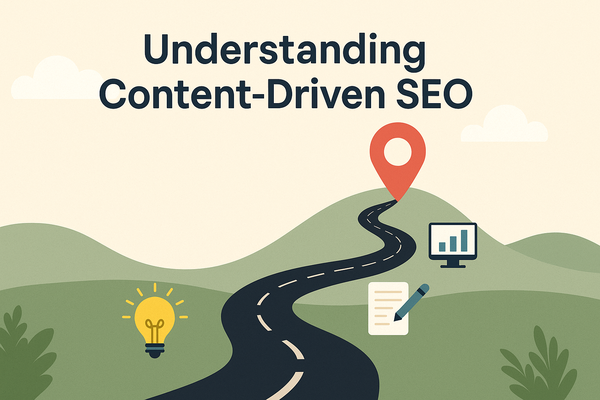
Understanding Content-Driven SEO
Content-driven SEO focuses on building authority and relevance through high-quality, valuable information. Search engines reward content that answers real user questions and delivers in-depth value. Aligning your SEO efforts means ensuring that every blog, landing page, or resource you create serves a clear purpose in your search plan. This approach is essential for businesses who want to see long-term improvements in rankings and conversions. According to Moz’s research on ranking factors, sites with well-aligned content and SEO outperform those with siloed strategies. When you build each asset with both the audience and search intent in mind, you lay the groundwork for future growth and resilience, especially as algorithms evolve.
The Importance of Goal-Driven Roadmaps
A goal-driven roadmap helps you track progress and adapt your strategy to changing priorities. Instead of publishing random blog posts, you create content that supports defined business outcomes. For example, if your main goal is to increase qualified leads, your SEO roadmap will focus on high-converting topics and intent-based keywords. Tools like Google Search Console can help marketers visualize keyword opportunities and monitor how content drives real results. It’s crucial to revisit goals quarterly, ensuring they align with shifting business needs. By mapping every content initiative to an SEO target, you boost efficiency, reduce wasted effort, and make it easier to measure ROI across all campaigns.
Building the Right Content Framework
Establishing a content framework is essential for repeatable success. This framework should include guidelines for keyword research, topic clusters, and cross-channel distribution. Modern marketers often leverage advanced web design strategies to ensure site structure supports both SEO and content discoverability. According to HubSpot’s topic cluster model, organizing content around core themes creates better site architecture and stronger ranking signals. This method also simplifies internal linking and boosts topical authority. The right framework helps you align day-to-day content production with long-term search goals, making it easier to pivot or scale campaigns as trends shift or competition intensifies.
Strategies for Seamless Integration
Once the foundation is in place, it’s time to integrate SEO and content marketing using targeted strategies. This ensures that every campaign and asset is optimized for maximum impact and discoverability.
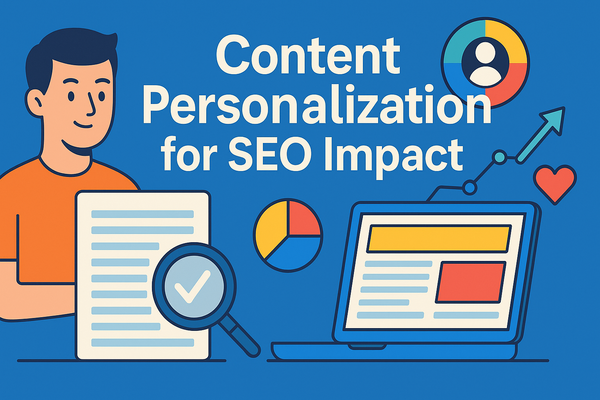
Leveraging Content Personalization for SEO Impact
Content personalization allows brands to deliver experiences tailored to specific audience segments. By using behavioral data and user preferences, you can shape blog topics, landing pages, and resources that speak directly to your audience’s needs. Personalized content often increases time on site, repeat visits, and conversion rates. When integrated with SEO strategies, personalization also improves relevance and authority for priority keywords and topics. Marketers can use analytics to identify which segments are most valuable and then create targeted content to serve those users. For example, a company might develop separate guides for different industries or buyer roles, all optimized for their unique search intent. Combining personalization with SEO ensures that your messaging resonates while maintaining high visibility in search results. This approach helps teams attract the right visitors and boost campaign effectiveness.
Mapping SEO Objectives to Content Goals
Successful teams start by connecting SEO objectives to content marketing KPIs. For example, if your SEO goal is to dominate branded search, your content should prioritize leadership stories and unique value propositions. Agencies often develop comprehensive SEO plans that tie each keyword or page topic to measurable content outcomes. Research by Search Engine Journal confirms that organizations who map SEO metrics to business outcomes achieve higher growth rates. The key is clarity: every content initiative should have a defined search target, conversion metric, and reporting structure. This alignment improves communication between teams and creates a more agile marketing engine.
Using Topic Clusters and Semantic SEO
The future of search is moving from single keywords to broader topic clusters. Instead of optimizing each blog for a specific phrase, marketers now build interconnected content ecosystems that reflect real-world user journeys. This approach, sometimes called semantic SEO, leverages context, subtopics, and internal links to strengthen authority. By grouping related articles and resources together, you guide search engines and users through logical paths. Integrating topic clusters with your SEO roadmap helps ensure each asset supports the overall content strategy. Companies that adopt this model often see higher engagement and lower bounce rates, especially when supported by data-driven outreach methods that extend content reach across multiple channels.
Creating Unified Workflows and Editorial Calendars
Siloed teams are the enemy of SEO-content alignment. Unified workflows and shared editorial calendars help bridge gaps between strategists, writers, designers, and analysts. Many agencies use platforms that synchronize content creation with ongoing SEO priorities, allowing everyone to see the bigger picture. For example, quarterly planning sessions that bring together both content and SEO teams ensure that roadmaps are updated as goals evolve. This process is even more critical when responding to external factors, such as major Google algorithm updates. A shared calendar keeps campaigns flexible, reduces bottlenecks, and allows for quick optimization based on real-time performance data. According to Content Marketing Institute’s workflow guide, integrated teams consistently outperform competitors who treat content and SEO as separate silos.

Putting the Plan into Action
With an aligned strategy and actionable tactics, it’s time to implement your plan and measure progress. Execution is where theoretical alignment turns into real-world results.
Tracking Progress and Adapting Your Roadmap
Consistent measurement ensures that your SEO and content marketing efforts remain effective over time. Set clear benchmarks and use analytics dashboards to monitor important indicators such as organic traffic, conversion rates, and audience engagement for each campaign. If you notice certain pages or topics are not performing as expected, adjust your roadmap and shift resources toward higher-potential opportunities. Schedule regular progress reviews to help teams stay accountable and focused on shared goals. Invite input from every department during these check-ins so that everyone remains informed and aligned. By watching both immediate results and long-term patterns, you can make informed decisions and update strategies whenever market trends shift. This proactive tracking keeps your alignment plan flexible, actionable, and ready for ongoing optimization.
Prioritizing High-Impact Content Initiatives
Not all content delivers equal value. Prioritize projects that will move the needle for both SEO and your marketing objectives. Use tools that help you identify gaps and opportunities, such as keyword tracking software, to focus on high-potential topics. Collaborate with experienced partners like a digital agency for market insights and tactical support. Focusing on high-impact assets, such as cornerstone guides and evergreen resources, maximizes your investment. These assets attract links, support organic growth, and serve as reliable conversion paths over time. Reviewing analytics regularly ensures that top priorities get the attention and optimization they deserve, even as market conditions shift.
Best Practices for Content and SEO Collaboration
Transparent collaboration is the backbone of effective execution. Share goals, roadmaps, and KPIs across all teams. Set up joint reporting dashboards so everyone can track both SEO and content metrics. According to SEMrush’s State of Content Marketing, marketers who collaborate across disciplines are more likely to hit both traffic and engagement targets. Use brainstorming sessions and regular check-ins to identify what’s working, and what needs improvement. Build feedback loops between writers and analysts to continually optimize existing assets. When your teams are aligned on both strategy and execution, you create a cycle of continuous improvement and learning.
Navigating Common Pitfalls and Staying Agile
Every organization faces challenges when aligning SEO with content marketing. Common pitfalls include failing to update plans after algorithm changes, neglecting technical SEO, or publishing content without a clear intent. It’s essential to remain agile and responsive, especially as Google’s updates reshape ranking factors. Keep communication open, revisit goals quarterly, and adapt roadmaps as new data emerges. For ongoing support, don’t hesitate to connect with digital marketing experts who can help you navigate unexpected challenges. Staying agile and learning from mistakes is what separates leading brands from the rest. The most successful teams treat alignment as a dynamic, ongoing process, one that’s responsive to market shifts and evolving audience needs.

Advanced Alignment Tactics and Measuring Success
Advanced tactics allow mature organizations to push alignment further, turning strategic intent into measurable outcomes.
Enhancing Alignment with Automation and AI Tools
Automation and artificial intelligence are changing how marketers align SEO with content marketing goals. Modern platforms can analyze thousands of data points in real time, helping teams quickly identify gaps and new opportunities. AI-driven content optimization tools suggest topic enhancements, optimize metadata, and predict which content will perform best based on search trends. Automating routine reporting and technical SEO audits also frees up time for strategic planning and creativity. For example, AI tools can monitor shifts in user intent, alerting your team to update or repurpose content before performance declines. According to a recent Gartner study, organizations that leverage automation for SEO and content alignment see a significant increase in operational efficiency and campaign impact. As technology evolves, adopting AI-driven solutions will become essential for maintaining a competitive edge and delivering measurable results.
Leveraging Cross-Channel Insights for Optimization
Top-performing brands optimize alignment by gathering insights across all digital channels. Analytics platforms like Google Analytics provide visibility into user behavior, conversion paths, and channel attribution. Use these insights to adjust both SEO and content priorities. For instance, if blog posts perform well in organic but not in paid campaigns, refine your targeting or messaging. Marketers also experiment with A/B testing headlines and call-to-actions, then apply winning tactics across all assets. Combining cross-channel data with regular roadmap reviews ensures every tactic supports your overarching marketing goals, especially as consumer behavior evolves. Leveraging these insights, you can future-proof your campaigns against competitive pressures and algorithm shifts.
Measuring Impact: KPIs and Attribution Models
Measuring alignment success goes beyond simple traffic numbers. Focus on KPIs that reflect both SEO and content goals, such as organic conversions, keyword share of voice, and engagement rates. Agencies often use multi-touch attribution models to understand how content assets contribute to the buyer’s journey. This approach, outlined by MarketingProfs, helps marketers quantify the true impact of alignment efforts. Advanced reporting dashboards enable teams to compare SEO progress with content ROI in real time. By tracking both micro and macro conversions, you can identify which initiatives deliver the most value and optimize your roadmap accordingly.
Preparing for Future Trends and Continuous Improvement
The landscape of SEO and content marketing is always evolving. Keep your team prepared for new trends by fostering a culture of continuous learning. Stay updated with the latest research, such as the Search Engine Roundtable’s algorithm change reports, to anticipate shifts and adapt quickly. Regularly review and refresh your content library to maintain relevance. Use feedback from users and analytics to guide your updates, ensuring your roadmap remains aligned with real audience needs. Investing in ongoing education and adaptation sets your brand up for long-term success in an increasingly complex digital environment.
Conclusion
Most organizations that align their SEO roadmap with content marketing goals achieve noticeable growth in organic traffic, user engagement, and lead generation. Applying these proven strategies empowers your team to adapt swiftly and consistently outperform the competition in the digital space.
Focusing on collaboration, analytics, and continuous improvement ensures your marketing delivers long-term results. Start refining your roadmap, bring your teams together, and take decisive steps toward achieving your digital goals.
Frequently Asked Questions
1. How often should I update my SEO roadmap?
Review and update your roadmap at least quarterly. More frequent reviews may be needed after major algorithm changes.
2. Can I align content marketing and SEO with a small team?
Yes, start with clear priorities and a unified editorial calendar to maximize impact with limited resources.
3. What tools help with roadmap alignment?
Platforms like Google Analytics, Search Console, and dedicated SEO software provide valuable insights and tracking.
4. How do I measure alignment success?
Track both SEO KPIs and content-specific metrics such as conversions and engagement.
5. Is alignment important for every industry?
Absolutely, regardless of industry, integrated strategies drive better results and sustainable growth.

Mike has over 5 years of experience helping clients improve their business visibility on Google. He combines his love for teaching with his entrepreneurial spirit to develop innovative marketing strategies. Inspired by the big AI wave of 2023, Mike now focuses on staying updated with the latest AI tools and techniques. He is committed to using these advancements to deliver great results for his clients, keeping them ahead in the competitive online market.