
How To Use SEO To Build Brand Awareness
Search Engine Optimization (SEO) and brand awareness work together in a continuous cycle to drive business growth. SEO helps your website rank higher in search results, making your brand more discoverable to potential customers. Meanwhile, strong brand recognition improves your SEO performance by increasing branded searches and click-through rates.
Key Facts About SEO for Brand Awareness: Building brand awareness through SEO typically takes 3-6 months to show initial results, with strong recognition requiring 6-12 months of consistent effort. Small businesses can compete with established brands by focusing on niche audiences, long-tail keywords, and local SEO strategies.
Essential SEO Strategies for Brand Building: Create quality backlinks from reputable sources to establish credibility and authority. Optimize content with strategic keyword placement in titles, meta descriptions, and subheadings. Develop top-of-funnel content that educates potential customers before they’re ready to buy. Use local SEO to capture nearby customers searching for services.
Measuring Brand Awareness Success: Track direct website traffic to measure brand recognition. Monitor branded search queries using Google Analytics and Search Console. Measure brand mentions across social media, blogs, and news sites. Calculate share of voice by dividing your brand mentions by total industry mentions.
Why SEO Comes First: SEO expert Neil Patel states that SEO serves as the base ingredient, not just a topping, for digital marketing success. Without search visibility, even the best brand message fails to reach its intended audience. Start with SEO to establish discoverability, then layer branding efforts on top.
Bottom Line: SEO and branding are interconnected strategies that amplify each other. SEO drives sales and supports brand building, while strong brand image boosts SEO performance and search rankings, creating a cycle of continuous improvement and growth.

What Does SEO Mean for Your Business
Want better rankings on Google search results? The answer is SEO. Looking to improve your website’s click through rate? SEO delivers that outcome. Seeking to boost your business revenue and growth? SEO provides the solution. But what exactly is SEO and how does it work for businesses? Search Engine Optimization, or SEO, refers to the systematic process of enhancing website elements. This includes improving your content quality, site structure, and overall user experience significantly. The goal is to boost and sustain your organic visibility across search engines. SEO helps your website appear higher in search engine results pages consistently. This increased visibility means more potential customers will click on your site first. Your business gains a competitive advantage over others in your industry or market. SEO encompasses multiple proven techniques that work together to boost your rankings. These methods include thorough keyword research to identify what customers actually search for. On-page optimization ensures your content meets both user needs and search engine requirements. Technical SEO fixes behind-the-scenes issues that might prevent your site from ranking well. Link building establishes your website’s credibility and authority within your industry or niche. Additional strategies combine to help your website climb higher in organic search results. Implementing SEO correctly ensures people discover your business when searching for relevant terms. When customers look for services or products like yours, your website appears prominently. This targeted visibility connects you directly with people actively seeking what you offer. SEO transforms random website visitors into qualified leads who need your specific solutions.

Understanding What Branding Means for Your Business
Branding serves as your competitive advantage against businesses with stronger search engine rankings. It allows you to achieve higher click through rates than competitors above you. Your brand can generate more revenue even when others rank better in search results. Strong branding helps you outperform businesses that currently have superior SEO performance today. In practical terms, branding involves creating a powerful and positive perception of your business. This image forms in the minds of your customers and potential clients consistently. Your brand shapes how people think about your company and the services you provide. It represents the emotional connection customers develop with your business over time. Branding is a proven method that has worked successfully for decades across industries. This approach effectively attracts new customers while encouraging existing ones to return repeatedly. A strong brand builds trust and recognition that translates directly into business growth. Your brand becomes the reason customers choose you over countless other available options. Continue reading to discover how SEO and branding work together in powerful ways. These two strategies connect closely and support each other to amplify your overall success. Improving one element consistently creates positive results for the other element as well. Understanding this relationship helps you maximize your marketing efforts and achieve better outcomes. The synergy between branding and SEO creates opportunities that neither strategy provides alone.
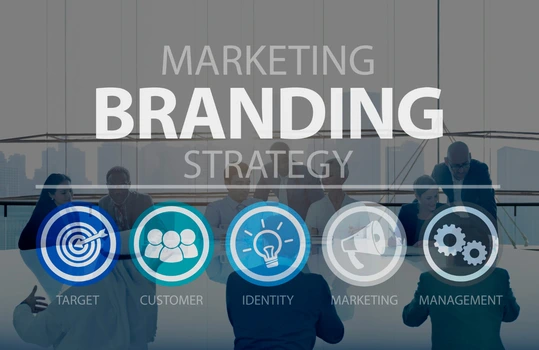
How SEO and Brand Building Connect
These two marketing elements exist in a continuous cycle that feeds itself endlessly. That perfectly describes their relationship and how they function together in practice. You need SEO strategies to build a recognizable brand in your market effectively. Established brands naturally achieve higher rankings in search engine results over time consistently. However, if you must choose a starting point for your marketing efforts today. Begin your journey by developing a solid SEO strategy first before anything else. This foundation creates the platform for all your future brand building activities. SEO experts state that SEO is not merely a topping or addition. Instead, it serves as the base ingredient for all digital marketing success stories. More accurate words have rarely been spoken about digital marketing and online business growth. Consider what truly defines a strong brand image in the marketplace today. Your brand’s visibility depends entirely on people being able to find you online first. SEO provides that critical discovery mechanism that puts your business in front of customers. Without search visibility, even the best brand message fails to reach its intended audience. This is why SEO forms the foundation upon which successful brands are built.
Building User Experience and Customer Loyalty
Let’s examine user experience first, as it plays a crucial role here. UX forms an integral part of effective SEO strategy and cannot be separated. Your webpage design, site navigation, and content storytelling all depend heavily on SEO principles. These elements must work together seamlessly to create a positive visitor experience online. Your site must load quickly to prevent users from leaving before it appears. Fast loading speeds directly impact both user satisfaction and your search engine rankings. The design must be visually appealing and easy on the eyes for visitors. Your website should allow effortless navigation so users find what they need quickly. If you create a difficult navigation structure, many visitors will simply leave immediately. A significant percentage of potential customers won’t bother searching for what they want. Your content must be relevant to user needs and easy to scan quickly. Even when people lack time to read lengthy articles, they should grasp your message. These three factors significantly influence search rankings while simultaneously improving the user experience. Better user experience leads to longer site visits and higher conversion rates overall. Now let’s discuss customer loyalty and how you build it over time. How do you transform a target audience into devoted customers who return repeatedly? You accomplish this through a proven four step process that builds trust gradually. Start your journey by achieving a first page ranking on Google search results. Attract visitors with an engaging landing page that encourages them to subscribe immediately. Present your offer in a sensible way that addresses their specific needs clearly. Win customers over completely with exceptional products and services that exceed their expectations. This process sounds straightforward but requires significant effort and time to execute properly. The journey demands consistency and patience as you build your online presence gradually. Eventually, you will reach your destination and achieve the success you’re working toward. Once you arrive there, you’ve accomplished your primary goal of building brand credibility. You’ll have established a positive brand image that resonates with your target audience. This reputation becomes your most valuable business asset moving forward into the future. But notice the very first point in this entire process we just discussed. Google search rankings and visibility form the foundation of everything that follows. So yes, once again, we return to SEO as the essential starting point. Building your brand without implementing SEO strategies is virtually impossible in today’s digital world. Search optimization provides the visibility that makes all other marketing efforts possible and effective.
How Strong Branding Increases Your Click Through Rates
Branding serves as a powerful tool for boosting clicks to your online presence. A strong and memorable brand establishes trust between you and your customer base. This trust naturally encourages loyalty that keeps customers returning to your business repeatedly. SEO branding represents an excellent approach to achieving this goal for your company. Strong branding makes it simpler for potential customers to discover you during online searches. Once they find you, a recognizable brand encourages them to click through immediately. Your brand becomes the deciding factor when prospects choose between multiple similar options. A well planned SEO branding strategy helps your business stand out from competitors significantly. Your unique brand identity captures attention in crowded search results and social media feeds. This distinctiveness increases the likelihood that people will share your content with others. More sharing means your message reaches a broader audience beyond your immediate followers. Greater visibility translates directly into more traffic and potential customers for your business. Brand recognition creates a competitive advantage that drives consistent results over time effectively.
Having a strong brand presence is critical for any online business today. A recognized brand drives more traffic and clicks to your website consistently. This visibility translates directly into business growth and increased revenue over time. With that understanding, we’ll share a well known secret about search engines now. Google shows preference toward established and bigger brands in search results consistently. There, we’ve revealed what many marketers already suspect about search rankings. Think Nike when you need athletic shoes or running gear for your workouts. Consider Hubspot when you require marketing software or business growth tools for campaigns. Choose Wilson when shopping for tennis racquets or other sports equipment you need. Your product might actually be superior in quality to these established options. Your content could be more engaging and persuasive than what competitors produce currently. However, these advantages wouldn’t matter in search rankings against established industry leaders. The niche giants would still rank above you in standard search results regularly. These major brands feature prominently in knowledge panels and featured snippets at the top. They dominate the most visible positions that generate the highest click through rates. Even when these major brands violate guidelines or make significant SEO mistakes. Google often gives them temporary suspensions and reinstates them within hours or days. Yes, this treatment seems unfair to smaller businesses competing for the same rankings. But it makes complete sense from Google’s perspective and business model priorities. Established brands provide consistent user experiences that satisfy searchers looking for reliable information. Google prioritizes user satisfaction above all else when determining which sites to promote. This reality shapes the competitive landscape that all businesses must navigate strategically today.
Google aims to serve its users well by providing the most reliable results. The search engine displays credible brands and products in its top ten results. This approach protects users from potentially unreliable or harmful experiences with unknown businesses. Google prioritizes user safety and satisfaction above all other considerations in its algorithm. This strategy ensures searchers find trustworthy options when they need products or services. Even when smaller businesses might need the visibility and traffic more desperately today. The bigger brands receive the most attention, website traffic, and engagement from searchers. These established companies enjoy skyrocketing click through rates compared to lesser known competitors. Major brands dominate the most valuable search positions that generate consistent business growth. This pattern simply proves that larger brands have significantly better chances of getting clicked. Brand recognition directly influences user behavior and their willingness to click on results. The stronger your brand becomes, the more clicks you’ll receive from search results. This reality underscores why building brand authority remains essential for long term SEO success.

Seven Methods to Boost Brand Awareness Through SEO
Building a recognizable brand is a lengthy process that requires significant time investment. The journey from unknown business to established brand normally takes months or even years. However, you can leverage specific SEO strategies to accelerate this process considerably faster. These approaches help you build recognition quicker than traditional methods allow for growth. But what exactly are these proven strategies that deliver faster brand awareness results?
Create Quality Backlinks to Your Website
Creating backlinks ranks among the most effective methods for improving SEO and awareness. Backlinks include guest blogging opportunities, link exchanges, and social media shares among others. These connections act as bridges between your website and other established sites online. They help search engines evaluate your content’s relevance and overall quality more accurately. Strong backlinks signal to search engines that your content provides value to readers. Backlinks play a crucial role in boosting your SEO performance and search rankings. More quality backlinks typically mean increased traffic flowing to your website consistently each month. This growing traffic naturally improves your brand awareness among your target audience over time. Higher visibility leads to more people recognizing and trusting your business in the marketplace. Additional elements like content marketing deserve attention when building your backlink profile strategically. Social media engagement should also factor into your overall approach to link building. These combined efforts create a comprehensive strategy that strengthens your online presence significantly. Focus on earning backlinks from reputable sources rather than pursuing quantity over quality alone.
Optimize Your Content Marketing for Brand Recognition
Combine smart SEO techniques with high quality content to create an excellent branding strategy. Conduct thorough research to understand what your audience truly wants from your business. Put your analytics software to work analyzing user behavior and search patterns regularly. Examine what users need and what questions they ask on search engines daily. This data reveals the topics and solutions your target audience actively seeks right now. Once you gather this valuable information, implement on page SEO using best practices. Place your keywords strategically in titles where they naturally fit the topic discussed. Include relevant terms in your meta descriptions and subheadings throughout each piece of content. Optimize your content structure to increase chances of appearing in featured snippets at top. Featured snippets provide prime visibility that captures user attention before standard search results appear. Deliver your absolute best content that provides real value to your readers consistently. Focus on creating informative, engaging material that answers questions and solves actual problems. When you consistently produce excellent content, brand recognition naturally follows over time as momentum. Quality content shared repeatedly builds trust and establishes your authority in your industry. Your reputation grows as more people discover and benefit from the resources you provide.
Connect With Your Target Audience Using Long Tail Keywords
First, let’s clarify what long tail keywords actually are for SEO purposes. Simply put, long tail keywords are phrases longer than traditional single word keywords. These extended phrases contain multiple words that describe specific search queries more precisely. Now, how does using these longer phrases benefit your business and marketing efforts? Imagine your business operates in a competitive industry with many established competitors already. You wouldn’t have much success ranking high if you focused only on broad terms. Generic single word keywords face intense competition from major brands with established authority. You should use long tail keywords instead to capture more specific search traffic. An example of a long tail keyword would be a phrase like seasonal sale. This specific phrase targets users searching for exactly what you offer right now. This approach allows you to easily reach the right people actively looking for solutions. Using targeted phrases increases your brand’s visibility in search engine results pages significantly. You appear for searches that indicate clear purchase intent rather than general browsing behavior. These extended keywords are more specific than generic broad terms in your industry. They allow you to target a more defined audience segment with precise needs. This specificity increases your chances of getting noticed by genuinely interested potential customers. People using long tail searches typically know what they want and are closer to making decisions. Targeting these ready to buy searchers improves your conversion rates while building brand recognition effectively.
Target Your Specific Niche Audience Effectively
Small business owners should pay close attention to this important marketing principle today. The more you narrow your focus, the better your chances of converting visitors. Targeting a specific niche increases your likelihood of making successful sales consistently over time. Social media platforms provide the perfect environment to discover and engage your ideal audience. Hunt down potential customers and systematically convert them into loyal buyers for your business. But how do you accomplish this targeting effectively in crowded digital markets? The answer lies in conducting smart and thorough keyword research for your niche. Track your ideal customers online and monitor their digital behavior patterns closely each day. Follow their interests and note what topics generate the most engagement from them. See exactly what they search for on the internet when seeking solutions like yours. Once you’ve gathered this intelligence, create targeted pitches that speak directly to their needs. Use specific niche keywords that resonate with their exact problems and desired outcomes. Attract these qualified prospects to your website with content addressing their specific concerns. The more you focus on a particular product or service offering exclusively. The more recognition and authority you will gain for that specific solution consistently. Satisfied returning customers will naturally do word of mouth marketing on your behalf enthusiastically. They share their positive experiences with friends and family who face similar challenges. This organic promotion creates unparalleled brand awareness that money cannot buy through advertising alone. Niche focus combined with customer satisfaction builds a reputation that drives sustainable business growth.
Create a Positive Brand Image Online
Using the right SEO branding strategy helps businesses effectively reach their target audience consistently. This approach ensures your business is seen as a reliable source of trusted information. Customers need to view you as credible before they consider purchasing from your company. SEO combined with strategic branding builds that essential trust over time through consistent messaging. Branding and SEO working together play a massive role in shaping your business identity. These strategies define how your target audience perceives your company and its values clearly. You control the narrative about how your brand wants customers to view your business. Strategic positioning influences public perception and establishes your reputation in the marketplace deliberately. The way you present yourself through SEO optimized content reinforces your desired brand image. Consistent messaging across all platforms strengthens recognition and builds lasting customer relationships over time.
Use Local SEO to Boost Your Visibility
Another effective brand awareness strategy involves leveraging local SEO for your business growth. What exactly does local SEO mean for businesses targeting nearby customers seeking services? Consider when you search for a general term without specifying any particular location details. You’ve probably noticed how Google displays a comprehensive list of nearby options automatically. These results appear based on your current physical location rather than random suggestions. This targeted display happens because Google’s local search algorithm includes a proximity factor element. The algorithm considers your geographic location when you search using local related keywords. This works even when you don’t specifically include a city name in your query. It functions seamlessly even without adding phrases like near me to your search terms. Google automatically prioritizes businesses closest to your current location for relevant local searches. This proximity based ranking gives local businesses significant advantages over distant competitors in results. Optimizing for local SEO helps your business appear prominently when nearby customers search online. Your visibility increases dramatically among people most likely to visit or contact your business.
Develop More Top of Funnel Content for Awareness
Top of funnel content, commonly called TOFU, focuses entirely on creating initial awareness. It serves as a powerful way to spread the word about your offerings. Think of TOFU content like a marketing megaphone that amplifies your message effectively. This content type helps you spread your message and educate potential customers early. It provides valuable information that helps prospects make informed decisions about their needs. TOFU content introduces your brand to people who haven’t heard of you yet. TOFU content has proven extremely effective for brands attracting potential customers initially unaware. This approach allows companies to expand their customer base steadily over time consistently. It boosts overall visibility in markets where your brand previously had little presence. Creating educational and informative content positions you as a helpful resource rather than pushy. People appreciate brands that provide value before asking for anything in return from them. With effective branding and SEO strategies working together, you maximize your content’s reach. You can ensure your TOFU content successfully reaches its intended target audience every time. This strategic approach helps you build a strong and recognizable presence online gradually. Consistent top of funnel content establishes your expertise and builds trust with new audiences. Over time, this awareness translates into consideration and eventually conversions for your business.
How Brand Reputation and SEO Work Together
Brand reputation and SEO form the perfect partnership when developing strategies for business success. These two elements complement each other and amplify results when used together strategically. But how exactly do these marketing components support and strengthen each other effectively? SEO efforts directly help boost your brand reputation through increased online visibility significantly. The enhanced visibility and traffic flow create a positive impression of your brand. More people discovering your business naturally leads to greater recognition and trust over time. Higher search rankings signal credibility to potential customers researching your company before purchasing. Conversely, a strong brand reputation significantly enhances your SEO performance and search rankings. Search engines reward websites that demonstrate positive customer signals like reviews and high ratings. Google prioritizes businesses that users trust and recommend to others in their communities. Strong reputations translate into better rankings that further amplify your visibility in search results. To create a positive online brand reputation, focus on delivering quality products consistently. Provide exceptional services that exceed customer expectations at every touchpoint with your business. Engage actively with customers on social media platforms where your audience spends time. Create compelling content that resonates deeply with your target audience’s needs and interests. Build relationships through authentic interactions rather than purely promotional messaging that feels impersonal. Additionally, you should actively monitor reviews, ratings, and social media conversations about your brand. Track what customers say about your business across all platforms where discussions occur. Address any negative feedback quickly and efficiently to prevent reputation damage from spreading widely. Respond professionally to complaints and demonstrate your commitment to customer satisfaction through concrete actions. Proactive reputation management protects your brand while building trust with both existing and customers.
Real World Success Story
Let’s examine closely what one company accomplished through strategic SEO implementation recently. They weren’t experiencing smooth results with their organic traffic performance at all initially. The business decided to hire an experienced SEO strategist to address these challenges. This decision marked the turning point in their digital marketing success and growth trajectory. The solutions they implemented included several key strategic changes to their online presence. On page SEO improvements ensured all subheadings started with relevant targeted keywords naturally. The content incorporated specific long tail keywords the company wanted to rank for strategically. Image optimization became a priority with proper alt tags for every photo displayed. They implemented proper coding for each video to ensure search engines could index them. A topic generator helped create blog content that genuinely interested their target audience consistently. These combined efforts created a comprehensive approach to improving search visibility across multiple factors. The results achieved exceeded expectations and demonstrated the power of strategic SEO work. They experienced an 85 percent increase in keywords ranking on page one of results. A remarkable 150 percent surge occurred in keywords ranking on page two as well. Image rankings rose by an impressive 113 percent across their visual content portfolio. These metrics represented substantial improvements in their overall search engine visibility and online presence. With this dramatic rise in their Google search rankings, website traffic increased significantly. Their click through rate also shot up as more people discovered their business online. They started receiving considerably more attention and engagement from potential customers browsing search results. Smart promotional offers helped convert numerous prospects into paying customers who valued their services. The increased visibility translated directly into measurable business growth and revenue increases over time. This strategic approach allowed them to build a solid and recognizable brand successfully. They now maintain a steady customer base that continues growing through ongoing efforts. Their SEO strategies ensure they appear on the first page of results frequently. More traffic consistently leads to more qualified leads entering their sales funnel each month. More leads naturally convert into more sales and revenue for the business overall. Mission brand building: successfully accomplished through dedicated SEO work and strategic content optimization efforts.

Applying SEO Strategies to Build Your Brand
Let’s set aside all the complicated technical terminology for now and focus clearly. SEO represents an essential component of brand building in today’s competitive digital landscape. Modern businesses cannot afford to ignore search optimization when developing their brand presence online. Every successful brand today relies heavily on SEO to maintain visibility and relevance. Building quality links from reputable sources strengthens your brand’s authority and credibility significantly. Optimizing content for relevant keywords ensures your target audience can find you easily. Generating strategic keywords that appeal to your specific audience drives qualified traffic consistently. All these activities directly contribute to brand building and shape public perception of you. Each optimization effort compounds over time to create a stronger market position for business. With improved SEO implementation, you naturally attract better quality traffic to your website. More targeted visitors mean more opportunities to convert prospects into loyal customers who advocate.
Building Your Brand Image Through Strategic SEO
To establish a positive brand image, you need potential customers visiting your website regularly. SEO provides that crucial first step by making your business discoverable in search results. Without visibility in search engines, even the best brand message never reaches its audience. Strong SEO practices ensure people can find you when searching for relevant solutions online. Next, you must create compelling content on your homepage that captures visitor attention immediately. Your content needs to persuade readers to click the subscribe button or take action. This effectiveness depends heavily on whether you strategically incorporated important keywords that resonate naturally. These keywords must appeal to your ideal clients and address their specific needs clearly. So once again, SEO plays a vital role in converting visitors into subscribers. Proper keyword integration makes your content both search engine friendly and genuinely persuasive. The combination of discoverability and compelling messaging creates a powerful formula for brand growth.
Converting Subscribers Into Loyal Customers
The moment visitors enter your email list, they’ve officially entered your sales funnel. From this point forward, the responsibility shifts entirely to you and your team. You control the pitching strategy, the sales process, and ultimately customer satisfaction levels. Each interaction shapes whether these prospects become paying customers or leave your funnel entirely. Once customers are satisfied with their experience, consider your initial job half completed successfully. The other half involves continuously nurturing leads and maintaining those valuable customer relationships ongoing. Consistent communication and value delivery keep customers engaged with your brand over extended periods. Building trust takes time but creates the foundation for repeat business and referrals. This marks the very beginning of developing a loyal customer base for your business. A devoted customer base represents the biggest prerequisite for becoming an accomplished and recognized brand. Loyal customers not only purchase repeatedly but also recommend your services to others enthusiastically. They become advocates who amplify your brand message through authentic word of mouth marketing. This organic growth powered by satisfied customers creates sustainable success that advertising alone cannot achieve.

Measuring Your Brand Awareness Through SEO
In today’s technology driven world, content undoubtedly reigns as the most valuable asset. However, what truly elevates any content to success is ef ctive SEO implementation. SEO transforms good content into discoverable content that actually reaches your target audience. Now that we understand SEO and its critical importance in business branding clearly. You’re probably wondering how to track and manage the analytics behind these efforts. Measuring results helps you understand what works and what needs improvement in your strategy. Let’s examine some of the most effective methods to measure brand awareness accurately. These measurement techniques provide concrete data about your brand’s visibility and recognition online. Understanding these metrics allows you to make informed decisions about future marketing investments.
Monitor Direct Traffic Growth to Your Website
Measuring the increase in direct traffic to your website proves essential for evaluation. This metric helps you understand how effective your brand awareness SEO strategy performs. Tracking direct traffic reveals whether people recognize your brand and seek you out specifically. But how do you accurately measure and monitor these important traffic patterns consistently? Google Analytics provides the comprehensive answer to tracking your website performance and visitor behavior. This powerful tool lets you monitor the number of visits from organic search results. You can also track traffic coming from other sources like social media and referrals. Google Analytics shows you exactly how people find and interact with your website daily. The data reveals patterns that help you optimize your marketing efforts for better results. Understanding your traffic sources allows you to allocate resources more effectively toward what works.
Track the Growth of Brand Related Searches
Brand related searches effectively measure how well your brand performs in terms of popularity. These branded searches demonstrate whether people actively seek out your business by name specifically. A branded search typically includes your company name, product names, or specific service offerings. Increases in these searches indicate growing brand recognition and awareness among your target audience. More people searching for your brand directly signals successful marketing and customer satisfaction levels. Now, how do you accurately measure these branded search patterns over time consistently? You accomplish this by using powerful analytical tools like Google Analytics and Search Console. Google Analytics shows you what terms people use to find your website directly. Search Console reveals which branded queries drive impressions and clicks from search results pages. These tools provide detailed insights into how your brand awareness grows month over month. Monitoring these metrics helps you understand whether your branding efforts are generating the results. Regular tracking allows you to identify trends and adjust your strategy accordingly for improvement.
Monitor Your Brand Mentions Across the Internet
Brand mentions literally represent the number of times your brand appears in external sources. These mentions could include customer reviews, industry blogs, news articles, and social media posts. Every time someone discusses your business online, it counts as a valuable brand mention. Tracking these mentions helps you understand your brand’s reach and reputation across digital platforms. More mentions typically indicate increased awareness and discussion about your business among audiences. Several powerful tools exist that let you effectively measure your business brand mentions accurately. These include widely used platforms like Awario, Social Mention, and Hootsuite for comprehensive tracking. Awario monitors mentions across social media, news sites, blogs, and forums in real time. Social Mention aggregates user generated content from various social media platforms into actionable insights. Hootsuite allows you to track conversations and mentions across multiple social networks simultaneously efficiently. These tools provide alerts when people discuss your brand so you can respond promptly. Understanding where and how often people mention your brand guides your marketing strategy effectively.
Calculate Your Share of Voice in the Market
Share of voice, commonly abbreviated as SOV, measures your business brand awareness effectively. This metric compares your visibility against competitors across different marketing platforms and channels. SOV reveals how much of the conversation in your industry belongs to you. Understanding this metric helps you assess your competitive position in the marketplace accurately. A higher share of voice typically correlates with stronger brand recognition and market leadership. A straightforward way to measure SOV involves using a simple calculation formula. SOV equals the number of your business brand mentions divided by total mentions. Total brand mentions include both your mentions and all your competitors’ mentions combined. Multiply this result by 100 to get your share of voice percentage accurately. For example, if your brand receives 200 mentions while the total is 1000. Your share of voice would be 20 percent of the overall market conversation. Tracking this metric over time shows whether your brand awareness grows or declines. Increasing your share of voice means you’re capturing more attention than your competitors.
Conclusion
This article aims to demonstrate that SEO and branding are not separate strategies. These two elements are actually interconnected deeply and work together to amplify results. While SEO drives sales and supports brand building efforts consistently over time. Having a strong brand image simultaneously boosts your SEO performance and search rankings. Each element strengthens the other in a continuous cycle of improvement and growth. Understanding this relationship allows you to create more effective integrated marketing strategies going forward. Businesses that leverage both SEO and branding together achieve superior results compared to competitors. The synergy between these approaches creates compounding benefits that accelerate your business growth significantly. Investing in both areas ensures you build a sustainable competitive advantage in your market.
Frequently Asked Questions
1. How long does it take to see results from SEO for brand awareness?
SEO for brand awareness typically takes three to six months to show initial results. Building a recognizable brand through search optimization is a gradual process that compounds over time. You’ll notice improvements in search rankings and traffic within the first few months. However, establishing strong brand recognition usually requires consistent effort for six to twelve months. The timeline depends on your industry competition, content quality, and optimization strategies implemented. Patience and consistency are essential for achieving sustainable brand awareness through SEO efforts.
2. Can small businesses compete with established brands in search engine rankings?
Yes, small businesses can compete effectively by focusing on niche audiences and long tail keywords. While established brands have advantages in broad search terms, smaller companies can dominate specific niches. Target specific audience segments with precise, long tail keywords that larger competitors often overlook. Focus on local SEO to capture nearby customers searching for your services or products. Build quality content that addresses specific customer problems better than generic brand messaging does. Strategic positioning and exceptional customer service help small businesses build loyal followings that drive growth.
3. What’s the difference between branded and non-branded keyword searches?
Branded searches include your company name, product names, or specific service offerings in queries. These searches indicate people already know your brand and are actively seeking you out. Non-branded searches use generic terms related to your industry without mentioning specific company names. For example, searching for your company name is branded, while searching for industry solutions is non-branded. Tracking both types helps you understand brand awareness levels and discovery opportunities for growth. Increasing branded searches over time signals successful brand building and growing market recognition effectively.
4. How do backlinks help improve brand awareness beyond just SEO rankings?
Backlinks from reputable websites expose your brand to entirely new audiences you wouldn’t reach otherwise. When established sites link to your content, their readers discover your business for first time. Quality backlinks build credibility by associating your brand with trusted industry authorities and publications. These connections create multiple pathways for potential customers to find and learn about your business. Backlinks also generate referral traffic from readers genuinely interested in your industry or niche. This combination of visibility, credibility, and targeted traffic accelerates brand awareness significantly beyond rankings.
5. Should I focus on SEO or branding first when starting a new business?
Start with SEO as your foundation, then layer branding efforts on top of that base. SEO provides the visibility necessary for people to discover your brand in the first place. Without search visibility, even the strongest brand message fails to reach its intended audience. Begin by optimizing your website, creating valuable content, and building your search presence immediately. As traffic grows, simultaneously develop your brand identity, messaging, and customer experience consistently. These strategies work together in a continuous cycle where each strengthens the other effectively. Starting with SEO ensures you have an audience to brand to from day one.

Mike has over 5 years of experience helping clients improve their business visibility on Google. He combines his love for teaching with his entrepreneurial spirit to develop innovative marketing strategies. Inspired by the big AI wave of 2023, Mike now focuses on staying updated with the latest AI tools and techniques. He is committed to using these advancements to deliver great results for his clients, keeping them ahead in the competitive online market.