
Geo Targeting Keywords: What It Can Do For Your Business
Geo Targeting Keywords are location-specific search terms that help local businesses appear in relevant search results when customers look for products or services in their area. These keywords combine your business offerings with geographical identifiers like city names, neighborhoods, or regions to connect you with nearby customers actively searching for what you provide. For small businesses competing in local markets, implementing Geo Targeting Keywords is essential for visibility, customer acquisition, and revenue growth. This strategy works because search engines prioritize proximity and regional relevance when delivering results to users.
Understanding and implementing Geo Targeting Keywords transforms how potential customers discover your business online. When someone searches for services near them, properly optimized content ensures your business appears prominently in results. This targeted approach attracts high-intent customers ready to make purchase decisions quickly. The combination of location-based keywords with accurate business information creates powerful search visibility that drives foot traffic, phone calls, and online conversions consistently.
Key takeaways:
- Geo-targeting SEO enables small businesses to compete effectively in local search results.
- Including location-based keywords on your website boosts visibility and attracts more customers.
- Tools like Moz Local, SEMrush, and Google Keyword Planner simplify geo-targeting strategies.
- Accurate business information paired with Geo Targeting Keywords improves search rankings significantly.
How Do You Get Your Business to Appear in Search Results?
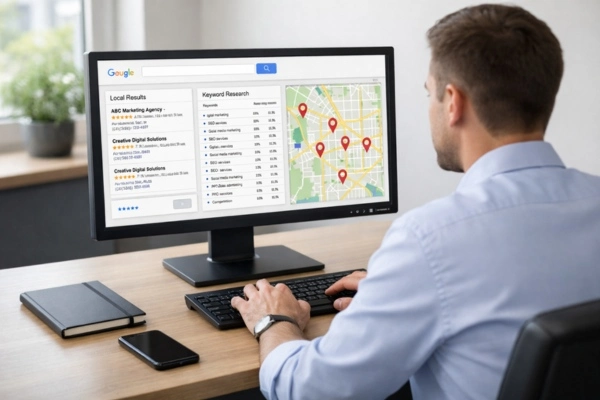
Having a website alone won’t help you stand out from local competitors today. You need to capture local search visibility to attract nearby customers effectively. These customers are actively searching for what you offer in their area. Follow these actionable steps to improve your local search presence:
- Add geographical areas to your keywords.
- Use keyword research tools effectively.
- Target nearby areas and hyper-local locations.
- Answer “People Also Ask” (PAA) questions.
- Place your chosen keywords strategically.
Include Location-Based Terms in Your Keyword Strategy
This foundational step matters because Google prioritizes proximity in local searches. The algorithm heavily weighs regional relevance when displaying results to users. Google’s Proximity Boost Update in mid-2024 strengthened this emphasis on user location. Searches containing “near me” became even more powerful for local businesses. Businesses located physically closer to the searcher generally rank higher in results. This assumes other ranking factors remain relatively equal across competing businesses. Understanding how Google evaluates location helps you optimize your content appropriately.
Adding geographical identifiers to your keywords creates immediate relevance for local searchers. When potential customers search for services in their area, location-specific keywords help match them. Your business appears more prominently when your content includes these regional terms. This strategy works because search engines recognize the connection between user intent and location. The closer your keyword matches what customers type, the better your visibility becomes. Start by identifying your primary service area and the terms customers use. Then incorporate these location names naturally throughout your digital presence consistently.
Utilize Research Platforms for Keyword Discovery
Google’s Keyword Planner suggests Geo Targeting Keywords after you enter your location. Beyond obvious location terms, add keywords for surrounding areas you want to reach. A seafood restaurant in San Francisco could target nearby suburb names as keywords. This expands your potential customer reach beyond your immediate city limits. The tool reveals search volume data showing how many people search specific terms. You can discover variations of location-based phrases customers actually use when searching. This insight prevents you from guessing which keywords matter most to your audience.
Advanced tools like Semrush or Ahrefs provide deeper local keyword insights for businesses. These platforms offer robust research features tailored for local search optimization specifically. They include competitive analysis showing which Geo Targeting Keywords your competitors rank for successfully. Understanding your rivals’ keyword strategies helps you identify gaps and opportunities in the market. These tools also reveal keyword difficulty scores indicating how hard ranking will be. You can prioritize easier keywords first while building authority for competitive terms later. The data-driven approach removes guesswork and focuses your efforts on keywords that deliver results.
Focus on Neighborhood-Specific Search Terms
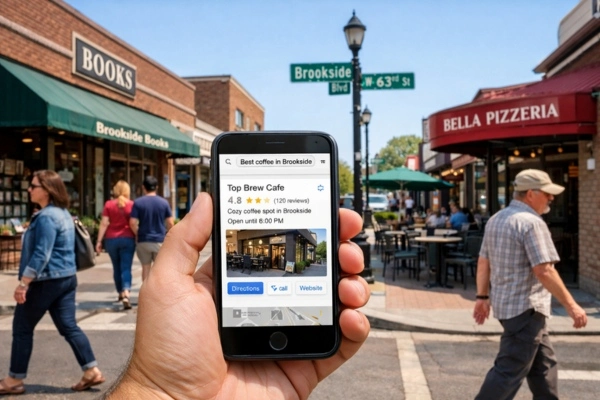
Restaurants can get more specific by including individual neighborhood names as keywords. Examples include “North Beach” or “Pacific Heights” as Geo Targeting Keywords for better targeting. This approach improves search results when your business serves specific neighborhood customers primarily. It’s especially useful if you target certain areas while excluding others intentionally. Neighborhood-level targeting captures customers who prefer shopping locally within their immediate community. These searchers often have higher purchase intent because they want nearby, convenient options. By optimizing for these micro-locations, you stand out in less competitive search spaces.
This strategy is called “hyper-local targeting” and delivers excellent results for many businesses. Service-area businesses benefit significantly from this focused approach to keywords and local optimization. Businesses in densely populated cities with distinct neighborhoods also see strong performance from this. A small boutique might target “women’s fashion [Neighborhood Name]” in its content and marketing. A coffee shop could optimize for “best coffee [Street Name/District]” to capture local foot traffic. This granular approach helps you dominate specific areas rather than competing citywide unsuccessfully. You become the go-to business for customers in those precise locations you target.
Create Content That Answers Common Customer Questions
People Also Ask (PAA) questions often involve finding and using specific keywords effectively. Common questions include “How do I find hyper-local keywords for my business operations?” Another frequent question is “What’s the difference between geo-targeting and general SEO keywords exactly?” Addressing these questions in your content builds authority and improves visibility with search engines. Creating content that answers PAA questions also captures additional search traffic naturally and consistently. When you provide clear answers, Google often features your content in snippet boxes above results. This prime positioning dramatically increases your click-through rates and website traffic over time.
Answering these questions demonstrates expertise and helps potential customers make informed decisions about you. People appreciate businesses that educate rather than just promote their services constantly without value. By addressing common concerns and questions, you build trust before customers even contact you. This educational approach positions your business as a helpful resource in your community. Search engines reward comprehensive, helpful content with better rankings across all your pages. Monitor PAA boxes in your industry regularly to discover new question opportunities continuously. Then create blog posts, FAQs, or landing pages addressing each question thoroughly and clearly.
Position Keywords Throughout Your Digital Assets
After selecting your Geo Targeting Keywords, add them throughout your website content carefully and naturally. Include them in headings, subheadings, captions, and tags for maximum impact across pages. Don’t forget to incorporate them into other metadata like title tags and descriptions properly. Regularly creating fresh content using these Geo Targeting Keywords strengthens your local presence significantly. This ongoing content creation signals relevance to search engines over time and improves rankings. The key is maintaining natural language flow while incorporating keywords in strategic locations throughout. Avoid keyword stuffing, which damages readability and can trigger search engine penalties quickly.
Strategic placement means putting keywords where they matter most to both users and algorithms. Your page titles should include your primary Geo Targeting Keywords near the beginning for emphasis. Meta descriptions should incorporate location terms to improve click-through rates from search results pages. Header tags organize your content while reinforcing your geographical focus to search engines effectively. Image alt text provides another opportunity to include location-based keywords for accessibility and SEO. Your URL structure can also reflect location when creating service or location-specific pages clearly. Consistent keyword usage across all these elements creates a strong, cohesive signal to search engines.

Why Geo Targeting Keywords Help Small Businesses
Using Geo Targeting Keywords helps your small business grow and reach more local customers effectively. This strategy connects you with people actively searching for what you offer in your area. When potential customers look for services or products nearby, your optimized content appears prominently. This visibility translates directly into more inquiries, visits, and sales for your business. Local search optimization has become essential for competing in today’s digital marketplace successfully. Businesses that ignore this strategy miss out on countless opportunities to connect with ready buyers. Here’s a quick look at the key benefits this approach delivers for your business.
Understanding why this strategy works helps you implement it more effectively over time. Geo Targeting Keywords bridge the gap between what customers search for and what you offer. They make your business discoverable at the exact moment people need your services most. This targeted approach ensures your marketing efforts reach the right audience consistently. The result is a stronger local presence and a more profitable business overall. By focusing on location-specific optimization, you position yourself ahead of competitors who overlook this advantage.
Better Visibility in Your Local Area
Adding Geo Targeting Keywords to your website content improves your local search rankings. Include them in meta tags and other SEO elements for maximum effect. This makes it easier for potential customers to find your business online. People searching for products or services in their area will discover you faster. Your business becomes more visible to the exact audience you want to reach.
This improved visibility helps you appear in Google’s Local Pack at the top. The map results section is where most local discoveries happen for searchers. Over 88% of consumers use local search to find businesses they need. Making it easier for them to see you directly increases foot traffic significantly. This translates into more potential customers walking through your door or calling you. Your online presence becomes a powerful tool for attracting nearby customers consistently.
Attracting the Right Visitors to Your Website
Geo Targeting Keywords help bring highly relevant traffic to your website and business. Users searching with location-based keywords are more interested in what you offer locally. Optimizing for these terms increases your chances of converting visitors into paying customers. These searchers have specific intent and are ready to take action quickly. Your website becomes a magnet for people who need your services right now.
Someone searching for an “emergency plumber in San Jose” has an urgent need. They aren’t just browsing casually but actively looking for a local solution immediately. Ranking for such high-intent queries brings you highly qualified leads ready to decide. You’re not just getting traffic but attracting people prepared to become customers. This focused approach makes your marketing efforts more efficient and cost-effective overall.

Standing Out from Your Local Competition
Using Geo Targeting Keywords gives you an edge over businesses not optimizing locally. Aligning your SEO strategy with your target location helps you stand out clearly. You can capture the attention of local customers more effectively than competitors. This is especially true if your competitors aren’t leveraging local optimization strategies yet. Your business appears more relevant and trustworthy to nearby searchers looking for help.
Even large national chains can be outranked by a well-optimized small business locally. Understanding your local audience and their search terms makes this possible consistently. You can dominate your specific geographic market against bigger players with deeper pockets. They often focus more on broader, national SEO rather than local nuances. This allows smaller businesses to compete effectively and win local customers reliably.
Converting More Visitors into Paying Customers
Geo Targeting Keywords tend to have higher conversion rates than generic search terms. They align perfectly with the intent of users searching for local businesses specifically. When your website appears prominently in relevant local searches, conversions increase naturally. You attract users who are ready to convert into customers or clients. This targeted approach makes every visitor more valuable to your business growth.
Studies show that local searches lead to direct action from motivated customers. A remarkable 76% of local mobile searches result in a purchase decision. This happens whether the purchase is made online or in a physical store. Capturing this high-intent audience translates directly into more phone calls and walk-ins. It also increases online bookings and ultimately drives more sales for your business. The return on investment for local SEO becomes clear and measurable quickly.
Building Your Local Brand Reputation
Optimizing your website with Geo Targeting Keywords reinforces your local branding efforts effectively. It establishes your business as a relevant and trusted local entity consistently. This helps build awareness and recognition among your target audience in the community. Your reputation within the local area strengthens with each search appearance you earn. Customer trust in your products or services increases as they see you more.
Consistently appearing for local searches makes your business synonymous with your offerings locally. People begin to think of your business first when they need something. This boosts your local authority and contributes to your E-E-A-T signals significantly. E-E-A-T stands for Experience, Expertise, Authoritativeness, and Trustworthiness in search rankings. Your business becomes the go-to option for local needs in your service area.
Conclusion
Implementing Geo Targeting Keywords in your local SEO strategy isn’t optional anymore for small businesses. It’s a necessity for survival and growth in competitive local markets. Start by researching location-specific keywords your customers actually use when searching for services. Add these keywords strategically across your website, from page titles to meta descriptions. Use tools like Google Keyword Planner, Semrush, or Ahrefs to discover opportunities your competitors might be missing. The businesses that dominate local search results today are those that understand their audience and optimize accordingly.
Your next step is simple: audit your current website content and identify where you can add Geo Targeting Keywords naturally. Focus on creating valuable content that answers customer questions while incorporating location-based terms. Monitor your results through Google Analytics and Search Console to see which keywords drive the most traffic. Adjust your strategy based on what works best for your specific market and audience. The time you invest in geo-targeting today will pay dividends through increased visibility, more qualified leads, and higher conversion rates tomorrow.
FAQs
What are Geo Targeting Keywords and why do they matter?
Geo Targeting Keywords are search terms that combine your services with specific location identifiers. They help local customers find your business when searching for products or services nearby.
How do I find the right Geo Targeting Keywords for my business?
Use Google Keyword Planner to discover what location-based terms customers search for in your area. Tools like Semrush and Ahrefs also reveal which keywords your competitors rank for successfully.
Where should I place Geo Targeting Keywords on my website?
Add them naturally to page titles, meta descriptions, headings, and throughout your content body. Include them in image alt text and URL structures for location-specific pages too.
Can small businesses compete with large chains using Geo Targeting Keywords?
Yes, small businesses can outrank national chains by focusing on hyper-local optimization strategies. Understanding your specific neighborhood and community gives you a distinct competitive advantage locally.
How long does it take to see results from geo-targeting efforts?
Most businesses notice improved local visibility within 3 to 6 months of consistent optimization. Results depend on your market competition, content quality, and how well you implement the strategy.

Mike has over 5 years of experience helping clients improve their business visibility on Google. He combines his love for teaching with his entrepreneurial spirit to develop innovative marketing strategies. Inspired by the big AI wave of 2023, Mike now focuses on staying updated with the latest AI tools and techniques. He is committed to using these advancements to deliver great results for his clients, keeping them ahead in the competitive online market.