
Common Mistakes In Off-Page SEO And How To Avoid Them
Off-page SEO mistakes can severely damage your website’s search rankings in 2025 and beyond. The seven most critical errors include prioritizing link quantity over quality, acquiring irrelevant backlinks, and using outdated black-hat tactics. These mistakes cost businesses thousands in lost traffic and potential penalties.
Off-page SEO encompasses all ranking factors outside your website’s control. This includes backlink building, brand mentions, social signals, and online reputation management. Google uses these external signals to determine your site’s authority and trustworthiness. Getting it wrong wastes your marketing budget and time.
This comprehensive guide identifies the most damaging off-page SEO errors. You’ll learn exactly how to avoid each mistake with proven strategies. We’ll cover quality link building, relationship development, and modern white-hat techniques. Follow these actionable tips to protect your rankings. Build sustainable authority that drives long-term organic growth for your website.
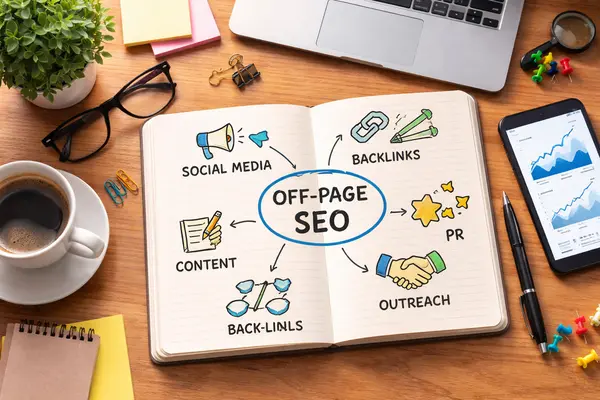
Understanding Off-Page SEO: Why You Need It
Off-page SEO includes every action you take outside your website. These actions directly impact your search engine rankings. They determine where you appear in search results pages (SERPs). Focus on these key off-page elements:
- Building backlinks from quality websites
- Boosting your social media engagement
- Earning brand mentions across the web
- Collecting customer reviews and ratings
- Connecting with influencers in your niche
- Participating in forums and writing guest posts
Google uses off-page signals to evaluate your site. They measure your authority and trustworthiness online. Other credible websites mentioning you builds your reputation. The more quality mentions you get, the more reliable you appear. Search engines reward this credibility with higher rankings. Start building your off-page presence today.
Common Off-Page SEO Mistakes
1. Choosing Quantity Instead of Quality
Many people believe a common SEO myth. They think more backlinks always lead to better rankings. This strategy worked ten years ago. Today it doesn’t work anymore. Search engines now care deeply about your link sources. The origin of your backlinks matters more than the total number.
How to avoid it: Build links from trusted and relevant websites only. Target industry blogs in your niche. Reach out to news sites and authoritative resources. Quality always beats quantity in modern SEO.
2. Getting Links From Unrelated Sources
Imagine you operate a fitness supplement website. You start receiving backlinks from cooking blogs. Fashion sites link to you too. Technology websites also point to your content. None of these relate to your niche. Search engines see this as suspicious activity. These irrelevant links hurt your credibility.
How to avoid it: Check if linking sites match your topic. Evaluate their relevance before pursuing partnerships. Focus your outreach efforts within your industry. Build relationships with websites in your specific space.
3. Relying on Outdated or Black-Hat Methods
Do you still use link directories today? Are you buying backlinks from questionable sites? These tactics might deliver quick results initially. Long-term consequences will destroy your rankings completely. Avoid these outdated and risky techniques:
- Participating in link farms
- Purchasing links without proper disclosure
- Stuffing exact match anchor text everywhere
- Using Private Blog Networks (PBNs)
How to avoid it: Follow white-hat practices exclusively for sustainable growth. Write guest posts on legitimate websites. Conduct original research in your field. Collaborate with industry experts regularly. Create thought leadership content that earns natural links.
4. Neglecting Brand Mentions and Your Reputation
Backlinks provide value but they’re not the only factor. Google understands brand signals much better now. Unlinked mentions of your brand matter significantly. Customer reviews also impact your search visibility.
How to avoid it: Track your brand mentions using monitoring tools. Try Google Alerts or Mention for real-time notifications. Respond to customer feedback promptly and professionally. Build trust through consistent branding across all platforms. Create a strong presence people recognize and remember.
5. Using Only One Link Building Method
Some marketers rely on a single tactic exclusively. They only do guest blogging or directory submissions. This limited approach restricts your overall reach potential. A non-diverse link profile appears unnatural to search engines.
How to avoid it: Combine multiple link building strategies for better results. Use this healthy mix of tactics:
- Guest posting on relevant blogs
- Digital PR campaigns and outreach
- Appearing on industry podcasts
- Promoting content on social media
- Contributing to niche forums actively
- Getting featured in industry round-ups
6. Ignoring Social Media Signals
Social signals don’t directly boost your rankings. However, they impact SEO in indirect ways. Content shared widely on social platforms gains visibility. More people see your content and click through. This increased exposure creates organic backlink opportunities naturally.
How to avoid it: Promote your content across all social platforms. Engage with your audience regularly and authentically. Add simple sharing buttons to your website. Include clear calls to action encouraging people to share.
7. Not Tracking Your Backlink Profile
You cannot improve what you don’t measure regularly. Ignoring your backlinks creates serious vulnerabilities for your site. Toxic links can damage your rankings silently. Lost links reduce your authority over time. You miss valuable opportunities for growth constantly.
How to avoid it: Use professional tools to monitor your backlinks. Try Ahrefs, Moz, or Google Search Console. Track these important metrics consistently:
- Monitor new backlinks you acquire
- Identify when you lose existing links
- Spot low-quality backlinks quickly
- Disavow harmful links immediately
- Analyze what strategies work best
Schedule regular backlink audits to stay ahead. Review your profile monthly or quarterly at minimum. Take proactive action based on your findings.
Mastering Off-Page SEO: Smart Strategies for 2026
- Produce content people want to share. Create original research that offers new insights. Develop comprehensive guides that solve real problems. Organize expert roundups featuring industry leaders. Valuable content naturally attracts links and attention.
- Develop genuine relationships with key people. Connect with influencers in your industry personally. Build rapport with website owners in your niche. Personal connections generate the highest quality backlinks. Strong relationships lead to long-term partnership opportunities.
- Appear on podcasts and webinars regularly. These platforms establish you as an authority figure. Podcast appearances often include backlinks in show notes. Webinars boost your credibility and visibility significantly. Use these opportunities to expand your reach.
- Use PR strategies to gain media coverage. Sign up for HARO (Help A Reporter Out). Pitch compelling stories to journalists and reporters. Media outlets provide powerful backlinks to your site. Press coverage builds trust and authority quickly.
- Measure your link building results consistently. Don’t just create links without tracking their impact. Use analytics tools to monitor performance metrics. Analyze which strategies deliver the best results. Adjust your approach based on real data.
Final Thoughts
Off-page SEO goes beyond just building links. You’re actually building trust with your audience. You’re establishing authority in your industry. You’re increasing visibility across the entire web. Avoid common off-page SEO mistakes to boost success. Your website will perform better long-term with smart strategies. Today’s search algorithms demand quality and authenticity consistently.
Stop using spammy tactics that damage your reputation. Focus on creating genuine value for your audience. Stay updated with the latest SEO best practices. Keep evolving your strategy as the industry changes.
Need expert guidance with your off-page SEO strategy? Eclipse Marketing specializes in white-hat link building and reputation management. Our team helps businesses avoid costly mistakes and build sustainable authority. We develop customized strategies that deliver real results. Partner with professionals who understand modern SEO completely. Take action now to secure your website’s future. Contact Eclipse Marketing today for a comprehensive SEO audit.
FAQs
What is the biggest mistake in off-page SEO?
The biggest mistake is prioritizing quantity over quality in link building. Many website owners chase hundreds of low-quality backlinks instead of earning links from authoritative sources. Search engines like Google evaluate the relevance and trustworthiness of linking domains. A single backlink from a reputable industry website provides more value than dozens of spam links. Focus on building relationships with credible sites in your niche. Quality links improve your rankings while poor links can trigger penalties.
How many backlinks do I need for good rankings?
There’s no magic number for backlinks that guarantees rankings. Quality matters significantly more than quantity in modern SEO. One authoritative backlink from a trusted news site outperforms 100 directory links. Focus on earning links from relevant, high-authority websites in your industry. Your competitor’s backlink profile can provide useful benchmarks for your goals. Track your progress using tools like Ahrefs or Moz regularly. Build links consistently over time rather than chasing specific numbers.
Are social media signals important for SEO?
Social media signals don’t directly impact your search rankings. However, they influence SEO in several indirect but valuable ways. Content shared widely on social platforms reaches more people quickly. Increased visibility leads to more website traffic and engagement. This exposure often results in natural backlinks from other websites. Social proof also builds brand trust and authority online. Promote your content actively across all relevant social channels. Engagement on social media amplifies your overall off-page SEO efforts.
How often should I audit my backlink profile?
You should audit your backlink profile at least quarterly for optimal results. Monthly audits work better if you’re actively building links regularly. Regular monitoring helps you identify toxic links before they damage rankings. You can spot lost backlinks and take action to recover them. Audits also reveal which link building strategies deliver the best performance. Use tools like Google Search Console, Ahrefs, or Moz for comprehensive analysis. Set calendar reminders to ensure you never skip scheduled audits.
Can I recover from a Google penalty for bad backlinks?
Yes, you can recover from Google penalties with proper corrective action. First, identify all toxic and spammy backlinks pointing to your site. Contact webmasters directly and request removal of harmful links politely. For links you cannot remove, use Google’s Disavow Tool immediately. Submit a reconsideration request after cleaning your backlink profile thoroughly. Recovery typically takes several weeks to a few months depending on severity. Focus on building quality white-hat links moving forward consistently. Prevention through smart link building practices beats recovery efforts always.

Mike has over 5 years of experience helping clients improve their business visibility on Google. He combines his love for teaching with his entrepreneurial spirit to develop innovative marketing strategies. Inspired by the big AI wave of 2023, Mike now focuses on staying updated with the latest AI tools and techniques. He is committed to using these advancements to deliver great results for his clients, keeping them ahead in the competitive online market.