
When Can I Stop SEO And What Happens When I Do?
You should never completely stop SEO, but you can pause it temporarily if absolutely necessary. When you stop SEO efforts, your search rankings decline gradually over 3-6 months, organic traffic drops by 30-50% within the first year, and competitors overtake your positions. Unlike paid ads that stop instantly, SEO’s effects fade slowly, making the damage harder to notice until significant losses occur. Eclipse Marketing has observed this pattern consistently across industries and business sizes.
The most common reasons businesses pause SEO include:
- Budget constraints
- Lack of time and resources
- Shifting priorities
- Disappointing results
- Algorithm changes
However, stopping SEO creates lasting damage that costs 3-5x more to rebuild than maintaining current rankings.
Maintaining consistent SEO provides five critical benefits:
- Preserving online visibility without per-click costs
- Building reliable organic traffic
- Boosting conversion rates throughout the customer journey
- Establishing industry authority through quality content
- Strengthening your keyword portfolio for long-term growth
The bottom line: SEO works like maintaining your business foundation, stopping might not hurt immediately, but the long-term consequences can devastate your online presence. Smart businesses adjust their SEO strategy during challenges rather than eliminating it entirely.
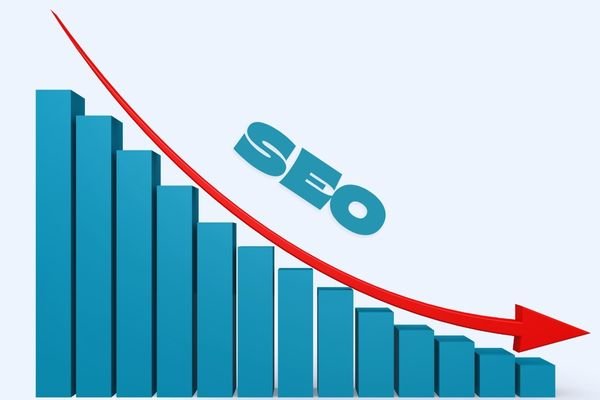
When Should You Pause Your SEO?
You can pause SEO whenever you choose, though this decision carries certain consequences. Unlike paid advertising campaigns, stopping SEO doesn’t produce immediate visible effects. The impact becomes apparent gradually over several months. Your website’s performance will slowly decline without consistent optimization efforts. This makes timing crucial when considering any SEO pause.
What Happens After Stopping SEO Activities
Pausing SEO efforts leads to predictable outcomes over time. The most common effects include:
- Decreased search engine rankings – Your positions will drop gradually across target keywords
- Reduced organic traffic – Fewer visitors will find your website through search results
- Lower conversion rates – Less traffic means fewer leads and sales from organic sources
- Diminished online visibility – Competitors will overtake your search positions over time
These changes happen slowly rather than immediately disappearing overnight. The gradual nature makes it harder to notice problems early.
SEO differs significantly from other digital marketing channels in this regard. Paid advertising stops working instantly when campaigns end. Social media engagement drops quickly without regular posting and interaction. Email marketing ceases when you stop sending campaigns to subscribers. However, SEO benefits fade gradually over weeks and months instead. This unique characteristic makes SEO both forgiving and potentially deceptive. Website owners might not realize the damage until significant losses occur, as noted by Search Engine Journal’s research on ranking fluctuations.

Understanding the Real Impact of Stopping SEO
Many businesses consider cutting SEO investments when facing financial challenges. Budget constraints make marketing expenses an easy target for reduction. However, halting SEO efforts creates lasting damage to your digital presence. Think of SEO like maintaining your business foundation continuously. The impact of stopping might not appear immediately. Yet the long-term effects can devastate your online visibility completely.
Why Consistent SEO Efforts Matter Most
Smart businesses understand that SEO requires consistent effort and patience. Search engines reward websites that demonstrate ongoing commitment to quality. Your competitors continue optimizing while you pause your efforts. This creates gaps that become increasingly difficult to close later. Recovery from SEO neglect often takes months of intensive work. The cost of rebuilding lost rankings exceeds maintaining current positions, especially in competitive markets like Las Vegas or Denver.
Making Smart Decisions About SEO Investment
Professional SEO strategies adapt to changing business circumstances without complete cessation. Experienced marketers know how to adjust tactics while maintaining core optimization. Understanding when to modify versus eliminate SEO protects your digital assets. Let’s examine why continuous SEO investment benefits your business long-term. Making informed decisions about SEO budgets requires understanding these critical factors.

Why Companies Stop Their SEO Efforts
Companies stop SEO campaigns for several important reasons. Each reason reflects different business challenges and priorities. Before halting SEO activities, leaders should understand the full consequences. Stopping SEO can significantly impact long-term visibility and growth.
Limited Financial Resources
Budget constraints often force businesses to pause SEO investments. Companies may face reduced revenue or unexpected expenses. SEO might seem expensive compared to immediate business needs. Some organizations don’t see quick enough financial returns. However, SEO typically requires consistent investment for sustainable results. Cutting SEO budgets can harm future organic traffic potential, as Harvard Business Review has documented in studies on marketing ROI.
Insufficient Time and Resources
SEO demands continuous effort and dedicated personnel. Many businesses lack staff to manage SEO properly. Content creation and optimization take considerable time investment. Technical improvements require ongoing attention and expertise. Small teams often struggle balancing SEO with other tasks. Without adequate time allocation, SEO strategies fail to deliver. Our team specializes in helping businesses allocate resources effectively.
Shifting Business Priorities
Companies sometimes redirect focus toward different marketing channels. Mergers and acquisitions can disrupt existing SEO programs. New leadership might prioritize alternative growth strategies. Market changes may require immediate resource reallocation. These shifts often overlook SEO’s long-term value proposition. Strategic pivots should consider maintaining basic search optimization services.
Disappointing Performance Results
Businesses expecting immediate results often feel frustrated with SEO. Organic growth typically takes months to show meaningful impact. Poor strategy execution can lead to minimal traffic improvements. Unrealistic expectations create disappointment when goals aren’t met. Companies may abandon SEO before strategies fully mature. Understanding realistic timelines helps maintain commitment during slower periods, according to Search Engine Land’s industry benchmarks.
Search Algorithm Changes
Major algorithm updates can devastate website rankings overnight. Recovering from penalties requires significant time and expertise. Some businesses lose confidence after experiencing ranking drops. Algorithm changes feel unpredictable and difficult to navigate. Fear of future updates discourages continued SEO investment. Adapting to algorithm changes remains essential for success, and monitoring tools like Google Search Console help track these shifts.
Many organizations halt SEO without exploring improvement options. Professional consultants can diagnose and fix underperforming strategies. Agencies offer expertise that internal teams might lack. Adjusting tactics often yields better results than complete abandonment. Smart businesses evaluate alternatives before stopping SEO entirely. The decision to pause requires careful consideration of consequences. Contact us to explore alternatives before making this decision.
5 Key Benefits of Maintaining Your SEO Strategy
Wondering if you should pause your SEO efforts? Here are compelling reasons to keep your SEO program active and thriving.
1. Preserve Your Online Visibility
SEO remains essential for maintaining strong search visibility. While paid advertising requires payment for each visitor, SEO attracts organic traffic without per-click costs. This cost-effective approach delivers sustainable results over time.
When you maintain consistent SEO efforts, your website keeps its search rankings. Your content continues reaching potential customers actively searching for solutions. Stopping SEO causes your organic visibility to fade gradually. Competitive keywords lose their rankings first when optimization stops. Regular monitoring helps track these ranking changes before making decisions. Smart businesses understand that consistent local SEO optimization protects their digital presence.
2. Build Consistent Website Traffic
SEO serves as a reliable traffic generator for websites. Pausing optimization disconnects this valuable traffic source from your business. Active SEO programs help websites attract and increase organic visitors consistently.
Search behavior changes constantly with new queries appearing daily. Businesses that pause optimization miss opportunities in emerging search trends. They lose potential traffic to competitors who maintain active strategies. Fresh content and regular updates signal search engines about site relevance. This ongoing activity helps capture traffic from evolving search patterns, as Martech research consistently demonstrates. Long-term success requires maintaining your presence in organic results consistently.
3. Boost Your Conversion Rates
Most SEO marketing strategies focus on generating meaningful conversions for businesses. These conversions include newsletter subscriptions, contact forms, and direct purchases. SEO often influences customer journeys even without direct attribution.
Stopping optimization efforts leads to declining conversion rates over time. Many businesses discover revenue impacts months after pausing their efforts. They often resort to expensive advertising to recover lost organic conversions. Understanding your conversion funnel helps identify SEO’s true contribution value. Strategic optimization supports multiple touchpoints throughout the customer journey. Consistent SEO maintains the flow of qualified prospects to your website, particularly when combined with strong web design.
4. Establish Industry Authority
Building thought leadership requires consistent effort and strategic content creation. SEO contributes significantly through quality content and authoritative backlink acquisition. High-quality resources attract natural links from respected industry websites.
Pausing SEO halts your progress toward becoming an industry authority. Your expertise becomes less visible when content creation stops. Industry trends move quickly, requiring regular updates and fresh perspectives. Inactive websites lose credibility and relevance with their target audience. Maintaining SEO keeps your expertise visible and positions you as a trusted resource. Regular content updates demonstrate ongoing commitment to your field, as The Drum highlights in their digital marketing coverage. Check out our blog for ongoing industry insights.
5. Strengthen Your Keyword Portfolio
Stopping SEO prevents growth in both current and potential keyword rankings. Your organic reach shrinks, reducing website traffic and conversion opportunities. Active optimization helps claim additional valuable search positions continuously.
Consistent SEO engine optimization efforts expand your website’s keyword coverage strategically. New ranking opportunities emerge as search patterns evolve over time. Your content library grows stronger with each optimized page added. Algorithm updates favor websites that demonstrate consistent quality improvements, according to insights from Google’s official blog. Ongoing optimization helps capture long-tail keywords with high conversion potential. Strategic keyword expansion creates multiple entry points for potential customers.
Conclusion
SEO isn’t a switch you can simply turn off without consequences. While pausing might seem like a cost-saving measure during challenging times, the reality is that stopping SEO creates compounding damage that becomes exponentially more expensive to repair. Your competitors never stop optimizing, and search engines reward consistency and commitment. The gradual nature of SEO decline makes it particularly dangerous, by the time you notice significant traffic drops, you’ve already lost valuable ground. Rather than eliminating SEO entirely, consider scaling back strategically while maintaining your core optimization efforts. Think of SEO as an investment in your digital real estate, not an optional expense. The businesses that maintain their search engine optimization and marketing presence during difficult periods emerge stronger, while those who pause find themselves fighting costly uphill battles to regain lost visibility and authority. Industry publications like Adweek and MIT Technology Review continue to emphasize the long-term value of sustained digital presence. Additionally, tools from platforms like Bing Webmasters can help you maintain visibility across multiple search engines while managing your ongoing optimization efforts.
FAQs
How long does it take for SEO rankings to decline after stopping?
Rankings typically begin declining within 3-6 months of stopping SEO efforts. The decline is gradual rather than immediate, with competitive keywords dropping first. Organic traffic can decrease by 30-50% within the first year, though the exact timeline depends on your industry’s competitiveness, existing domain authority, and how aggressively competitors optimize their sites.
Can I recover my rankings after pausing SEO?
Yes, but recovery is significantly more expensive and time-consuming than maintaining current rankings. Rebuilding lost SEO performance typically costs 3-5 times more than ongoing maintenance. Recovery requires months of intensive work, fresh content creation, and strategic link building to regain positions competitors have claimed during your pause.
What’s the minimum SEO effort needed to maintain rankings?
At minimum, maintain technical site health, update existing content quarterly, publish new content monthly, and monitor backlink profiles. Focus on preserving rankings for your most valuable keywords while ensuring your website remains crawlable, fast, and mobile-friendly. Even reduced SEO is better than complete abandonment.
How does stopping SEO differ from pausing paid advertising?
Paid advertising stops immediately when you end campaigns, traffic disappears overnight. SEO effects fade gradually over months, making damage harder to detect early. This delayed impact makes SEO more forgiving short-term but potentially more devastating long-term, as businesses often don’t realize the extent of losses until recovery becomes extremely difficult.
Should I stop SEO if I’m not seeing immediate results?
No. SEO typically requires 6-12 months to show meaningful results. Stopping prematurely means you’ve invested resources without reaching the payoff period. Instead, audit your strategy, adjust tactics, or consult professionals to improve performance. Patience and strategic refinement yield better outcomes than abandonment.
