
4 Benefits Of XML Sitemaps
XML sitemaps are structured files that help search engines discover and index your website content. They act as roadmaps, guiding search engine crawlers to all important pages on your site. While not mandatory for SEO, XML sitemaps significantly improve how search engines understand your website. They communicate essential information like page priorities, update frequencies, and last modification dates. This direct communication channel between your site and search engines leads to better visibility.
Implementing XML sitemaps offers four major advantages for website owners and SEO professionals alike. These benefits include faster indexing, automatic update notifications, improved content organization, and enhanced crawling efficiency. Websites of all sizes can leverage these advantages to improve their search performance. From small blogs to large eCommerce platforms, XML sitemaps make a measurable difference. Understanding these benefits helps you optimize your site for better search engine results.
Key Takeaways:
- XML sitemaps speed up the indexing process for new and updated content
- They automatically notify search engines when you publish or modify pages
- Sitemaps help organize content structure and define page priorities clearly
- Large websites with complex structures benefit most from improved crawling efficiency
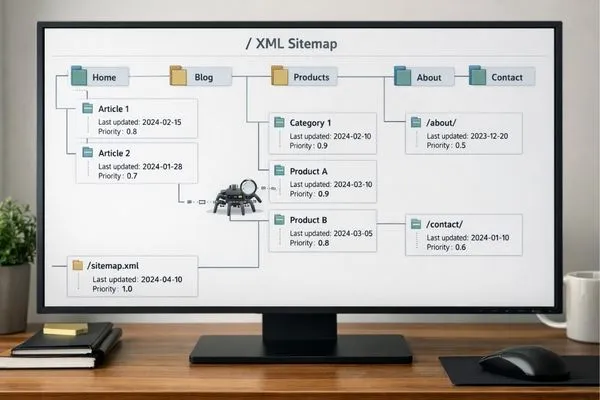
Understanding XML Sitemaps and Their Purpose
An XML sitemap is an organized file that contains all essential URLs from your website. Think of it as a detailed map that helps search engines navigate your content effectively. This file guides search engine crawlers to discover and understand your site structure completely. XML sitemaps share important details like when pages were last updated and how often they change. They also indicate which pages matter most on your website for better prioritization. Search engines like Google use this information to understand how your site is organized.
This becomes especially helpful for websites with many pages or frequent content updates daily. New websites benefit greatly from having XML sitemaps in place from the very start. They boost indexing speed and make sure search engines find all your important pages. Without them, search engines might miss newly added or hard to reach content. Large and dynamic websites see the most significant advantages from using XML sitemaps properly. They ensure no valuable page gets overlooked during the crawling and indexing process.
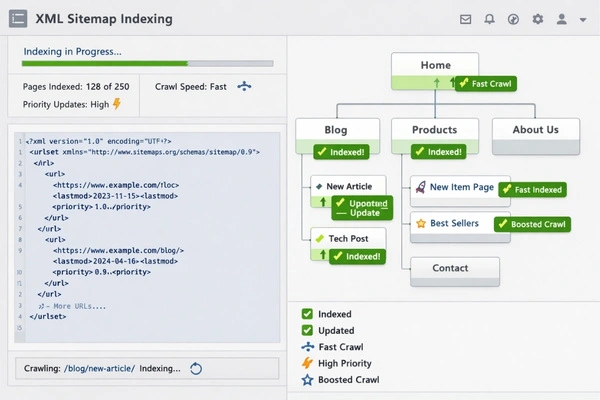
4 Key Advantages of Using XML Sitemaps
XML sitemaps offer powerful benefits that can transform how search engines interact with your website. Understanding these advantages helps you make informed decisions about your SEO strategy and implementation. Many website owners overlook the importance of XML sitemaps in their optimization efforts daily. However, implementing them correctly can significantly improve your site’s visibility in search results consistently. These benefits range from faster indexing to better content organization across your platform.
The following advantages demonstrate why XML sitemaps are essential tools for modern websites today. Each benefit addresses specific challenges that website owners face with search engine optimization regularly. Whether you run a small blog or manage a large eCommerce platform successfully, these advantages apply. Taking advantage of XML sitemaps can give you a competitive edge in search rankings. Let’s explore the four key benefits that make XML sitemaps indispensable for your website.
1. Speed Up Your Indexing Process
XML sitemaps create a direct communication line with search engines for your website effectively. When you submit your sitemap through Google Search Console, your pages get indexed faster. This process helps you appear in search engine result pages much quicker overall. Faster indexing means your content becomes visible to users sooner and more reliably. This stands out as one of the most powerful advantages of using XML sitemaps. Getting your pages indexed quickly can give you a competitive edge in results.
Search engines don’t have to discover your pages through random crawling with this method. Instead, they receive a complete list of all your important URLs immediately. This direct approach saves time and ensures nothing gets missed during the indexing process. New websites especially benefit from this accelerated discovery and indexing timeline significantly. Your content starts attracting organic traffic much sooner than it would otherwise naturally. This advantage alone makes XML sitemaps worth implementing on any website today.
2. Get Instant Updates to Search Engines
Regular website updates play a crucial role in improving your search rankings consistently. Without an XML sitemap, search engines may take longer to discover your content. XML sitemaps send automatic alerts to Google when you publish or update material. This feature proves invaluable when you share time sensitive information or breaking news. Search engines can immediately recognize changes and recrawl your updated pages without delay. Your newest content gets the attention it deserves right away every time.
This automatic notification system eliminates the waiting period for content discovery by crawlers. You no longer need to worry about whether search engines will find updates. The sitemap ensures that every change gets communicated to search engines promptly. This becomes especially important for websites that publish multiple updates throughout each day. News sites, blogs, and frequently updated platforms gain tremendous value from this feature. Timely indexing helps maintain your relevance and authority in your specific niche.
3. Organize Your Content Structure
Search engine bots might struggle to identify your most important pages without guidance. When navigation isn’t set up correctly, these bots must make educated guesses constantly. XML sitemaps solve this problem by clearly defining your content categories and hierarchy. They tell search engines exactly which pages belong in specific sections accurately. This removes uncertainty and helps search engines understand your website structure completely. Proper categorization ensures your content gets indexed in the right context always.
Without clear organization, valuable pages might get overlooked or undervalued by search algorithms. XML sitemaps provide the roadmap that search engines need to navigate effectively. You can assign priority levels to different pages based on their importance. This helps search engines focus their crawling efforts on your most valuable content. The result is better representation of your site in search results overall. Your organizational structure becomes clear, making it easier for search engines to serve content.
4. Improve Crawling for Large Websites
Websites with thousands of pages need efficient crawling solutions to get indexed properly. Sites with dynamic content or complex linking structures benefit significantly from XML sitemaps. They help search engines discover and crawl your content more effectively and systematically. Crawlers can prioritize your most valuable pages instead of getting stuck endlessly. This prevents pagination, filters, or archives from confusing the crawling process completely. Deeper pages and newer content stay visible instead of remaining hidden forever.
eCommerce platforms, news sites, and large content libraries especially need this efficiency today. Without XML sitemaps, crawlers might waste resources on less important or duplicate pages. Your sitemap guides them directly to content that matters most for your business. This ensures that your entire content library gets proper representation in search results. Large websites can’t rely on natural discovery alone to get everything indexed correctly. XML sitemaps provide the structure needed to manage complex sites with thousands of URLs.
Conclusion
XML sitemaps represent a simple yet powerful tool that every website owner should implement today. They bridge the gap between your content and search engines, ensuring nothing gets overlooked. The four benefits we’ve covered demonstrate how XML sitemaps accelerate indexing, notify search engines instantly, organize content effectively, and improve crawling efficiency for large sites. These advantages work together to boost your overall search engine visibility and performance significantly.
Take action now by creating and submitting your XML sitemap through Google Search Console immediately. Whether you manage a small blog or a massive eCommerce platform, you’ll see results. The implementation process is straightforward and the rewards are substantial for your SEO efforts. Don’t let your valuable content remain hidden from search engines any longer than necessary. Start leveraging XML sitemaps today to gain the competitive advantage your website deserves online.
FAQs
How do I create an XML sitemap for my website?
Most content management systems like WordPress generate XML sitemaps automatically through plugins or built-in features. You can also use free online sitemap generators or create one manually if needed.
Do I need an XML sitemap if I have a small website?
Small websites still benefit from XML sitemaps even with fewer pages to index overall. They help ensure search engines discover all your content quickly and establish good practices early.
How often should I update my XML sitemap?
Your XML sitemap should update automatically whenever you add or modify content on your site. Most modern platforms handle this process without requiring manual intervention from you.
Can XML sitemaps hurt my SEO if implemented incorrectly?
Poorly configured XML sitemaps might confuse search engines but won’t directly penalize your rankings significantly. Always test your sitemap for errors using Google Search Console before submitting it.
Where do I submit my XML sitemap after creating it?
Submit your XML sitemap through Google Search Console and other webmaster tools you use regularly. You should also reference it in your robots.txt file for automatic discovery.

Michael Vale has over 5 years of experience helping clients improve their business visibility on Google. He combines his love for teaching with his entrepreneurial spirit to develop innovative marketing strategies. Inspired by the big AI wave of 2023, Michael Vale now focuses on staying updated with the latest AI tools and techniques. He is committed to using these advancements to deliver great results for his clients, keeping them ahead in the competitive online market.